Automatic Labeling Systems: An Overview of Modern Labeling Technology
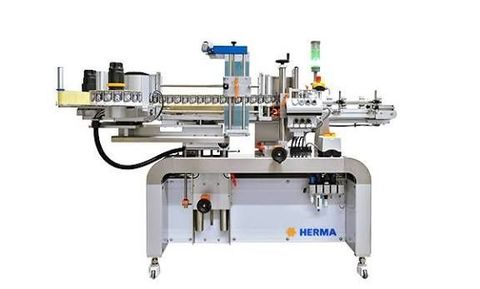
Automatic labeling systems are machines and integrated equipment designed to place labels onto products, containers, packages, or other surfaces with limited manual handling.
Automatic labeling machines are used across manufacturing and packaging environments where labels need to be positioned consistently as products move through a production line.
The basic idea behind automated labeling is not new. Early labeling processes relied heavily on people to position and attach labels. As manufacturing became more mechanized, automatic label applicator technology developed to coordinate product movement, label feeding, placement, and inspection.
Modern industrial labeling machines can combine conveyors, sensors, label rolls, applicators, controllers, printers, and inspection devices. The exact arrangement depends on the product shape, label material, production process, and required labeling position.
How Automatic Labeling Works
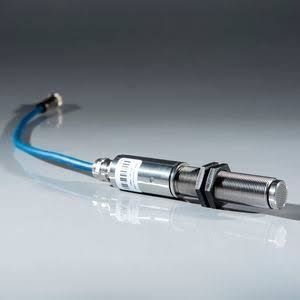
An automatic labeling process generally begins when a product reaches a defined position on a conveyor or production line. A sensor detects the product and sends a signal to the control system.
The label applicator then feeds a label from its backing material and places it on the product. Depending on the equipment, the label may be applied to the front, back, side, top, bottom, or circumference of a container.
Some systems also include cameras or other inspection equipment. These components can check label position, presence, orientation, or printed information before the product moves to the next stage.
Common Types of Labeling Equipment
Different products require different application methods. Common categories include:
- Automatic bottle labeling machine systems for cylindrical or shaped containers.
- Industrial label applicators for production environments.
- Automatic container labeling equipment for bottles, jars, cans, and other containers.
- Commercial labeling machines for packaged goods and smaller production environments.
- Automatic packaging labeling systems that operate as part of wider packaging lines.
- Pharmaceutical labeling machines designed for controlled packaging environments.
The choice of equipment depends on factors such as container geometry, label dimensions, material characteristics, production layout, and inspection requirements.
Importance
Automatic labeling technology matters because product identification is an important part of manufacturing, packaging, storage, and distribution. Labels can contain information such as product names, batch references, barcodes, handling instructions, dates, or other identification details.
Manual labeling can involve repeated movements and variations in positioning. Automated labeling systems are designed to coordinate these repetitive activities through mechanical and electronic controls.
Supporting Consistent Label Placement
Label position can affect scanning, product identification, appearance, and the readability of printed information. Industrial labeling equipment uses controlled movements to position labels according to defined process settings.
For example, an automatic bottle labeling machine can detect the arrival of a bottle and coordinate the label feed with the movement of the container. This helps establish a repeatable application sequence.
Supporting Different Industries
Automatic labeling machines are used in a wide range of sectors. Food and beverage packaging may require labels on bottles, cans, cartons, and containers. Consumer goods can involve jars, boxes, tubes, and other package formats.
Pharmaceutical and medical manufacturing can involve additional controls because labeling may contain important identification information. Regulatory requirements can also influence how labels are prepared, checked, stored, and applied.
The FDA describes requirements relating to labeling controls for regulated products, including requirements concerning label integrity, inspection, and prevention of labeling mix-ups in applicable environments.
Reducing Repetitive Manual Handling
A labeling line can automate several repeated activities, including product detection, label dispensing, application, and inspection. This changes the role of people from repeatedly applying labels to monitoring equipment, checking process conditions, handling exceptions, and maintaining documentation.
Automation does not eliminate the need for human oversight. Label material, product dimensions, machine settings, and production changes can all influence the result.
| Labeling Area | Typical Equipment | Main Function |
|---|---|---|
| Bottle labeling | Automatic bottle labeling machine | Applies labels to bottles |
| Container labeling | Automatic container labeling equipment | Positions labels on containers |
| Production lines | Industrial labeling machines | Integrates labeling with manufacturing |
| Packaging | Automatic packaging labeling systems | Applies labels during packaging |
| Inspection | Vision or barcode systems | Checks label presence or information |
| Pharmaceutical packaging | Pharmaceutical labeling machines | Supports controlled labeling processes |
Recent Updates
From 2024 through 2026, labeling technology has continued moving toward greater automation, digital monitoring, flexible production, and integration with packaging equipment. Industry research has identified automation, traceability, serialization, digital tools, and equipment connectivity as continuing areas of attention in packaging operations.
More Connected Labeling Systems
Modern industrial automated labeling equipment can be connected with other packaging machines and production-control systems. Information from sensors and inspection equipment can be used to monitor whether a labeling sequence is operating according to defined parameters.
This approach is particularly relevant when production lines handle multiple product formats. Advanced automatic labeling systems may use stored settings that allow operators to change between defined formats without manually adjusting every component.
Machine Vision and Digital Inspection
Vision systems are becoming more closely associated with automated packaging processes. Cameras can examine label position, orientation, presence, and selected printed information.
This technology is useful where a simple sensor cannot determine whether a label has been positioned correctly. However, inspection accuracy depends on factors such as lighting, camera setup, label contrast, product movement, and software configuration.
Automation and Flexible Packaging
Recent packaging-industry research has identified AI, automation, flexible machinery, and digital tools as areas receiving increasing attention. These developments reflect broader efforts to manage changing packaging formats, workforce considerations, and operational complexity.
High speed labeling machines are also being integrated into production environments where product flow and labeling need to remain synchronized. Actual operating speed varies according to machine design, product characteristics, label dimensions, and line configuration.
Pharmaceutical Labeling Developments
Pharmaceutical labeling continues to involve structured information, identification requirements, and traceability considerations. Current industry research highlights equipment automation, connectivity, regulatory reporting, digitization, and technologies such as RFID and wireless sensors as areas of development in pharmaceutical manufacturing.
Advanced pharmaceutical labeling systems may therefore include printing, inspection, data handling, and identification features in addition to the physical label application process.
Tools and Resources
Several tools and resources can help people understand, design, or manage labeling processes. The appropriate resource depends on whether the goal is equipment planning, label design, process documentation, or regulatory review.
Label Design and Barcode Tools
Label design software can be used to create layouts containing text, symbols, barcodes, and variable information. Barcode verification tools can help assess whether printed codes can be read correctly by compatible scanning equipment.
Templates can also help standardize label dimensions, information placement, and revision records. These resources are particularly useful when several products use related labeling formats.
Process Mapping and Equipment Documentation
Process flowcharts can show how products move from filling or assembly through labeling, inspection, and packaging. Equipment manuals and technical documentation explain machine settings, component functions, maintenance requirements, and operating limitations.
Useful resources include:
- Label layout templates for organizing required information.
- Barcode reference guides for understanding common data formats.
- Process flow diagrams for documenting packaging sequences.
- Equipment manuals for setup and operating information.
- Inspection checklists for reviewing label placement and readability.
- Regulatory databases for checking applicable labeling requirements.
Regulatory and Standards Resources
Regulated industries may need to consult government guidance and recognized standards when developing labeling processes. FDA resources, for example, include information on carton and container labeling, barcode requirements, and labeling controls for applicable products.
For pharmaceutical packaging, machine-readable identification can involve technologies such as barcodes and RFID. FDA guidance has discussed machine-readable and human-readable identification approaches for package-level identification.
FAQs
What are automatic labeling systems?
Automatic labeling systems are machines or integrated equipment that detect products, feed labels, apply them to specified surfaces, and sometimes inspect the finished application. They are commonly used in packaging and manufacturing processes.
How do automatic labeling machines work?
Automatic labeling machines typically use sensors, conveyors, controllers, and an automatic label applicator to coordinate product movement and label placement. Some systems also use printers or vision equipment for variable information and inspection.
What is an automatic bottle labeling machine?
An automatic bottle labeling machine is designed to apply labels to bottles or similar containers. Depending on the design, it may apply one or more labels to cylindrical, oval, or other container shapes.
What are industrial label applicators used for?
Industrial label applicators place labels onto products or packaging as part of a production process. They can be integrated with conveyors, printers, sensors, inspection equipment, and other industrial labeling equipment.
What are advanced automatic labeling systems?
Advanced automatic labeling systems can combine label application with digital controls, inspection, data handling, printing, and production-line integration. Their capabilities vary according to the equipment configuration and application requirements.
Conclusion
Automatic labeling systems combine mechanical equipment, sensors, controls, and software to apply product labels in structured production environments. Automatic labeling machines are used across packaging, manufacturing, commercial, and regulated industries, with equipment designs varying according to product shape and labeling requirements. Recent developments include greater connectivity, digital inspection, flexible automation, and increased integration with packaging processes. Understanding these technologies provides useful context for how modern products are identified, tracked, and prepared for distribution.

Related Post...
Carburizing Furnace Systems: An Overview of Heat Treatment Technology
Updated: October 16, 2026
Read More
Product Identification Systems: An Overview of Modern Identification Methods
Updated: October 16, 2026
Read More
Thermal Barrier Coatings Guide to Heat Protection and Surface Performance
Updated: October 16, 2026
Read More