Cabinet Making Machines: Overview of Cutting, Drilling, and Finishing Equipment
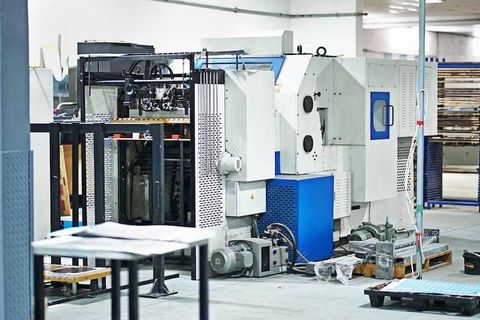
Cabinet making machines are equipment used to cut, shape, drill, edge, and finish materials used in cabinet construction.
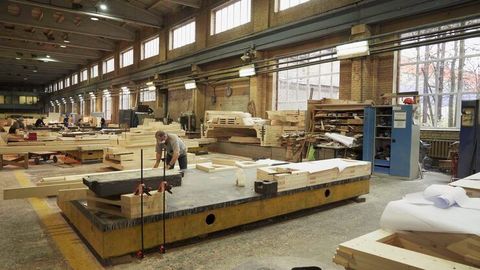
They are found in woodworking workshops, furniture production environments, architectural joinery facilities, and other settings where panels and boards need accurate preparation. Common materials include plywood, medium-density fiberboard (MDF), particleboard, solid wood, and laminated panels.
Cabinet production has changed considerably from traditional hand-operated woodworking methods. While hand tools remain useful for certain tasks, machine-based processes can provide controlled dimensions and repeatable results. Different machines are designed for specific stages, from preparing large panels to creating holes for hinges, handles, shelves, and connecting hardware.
How Cabinet Production Equipment Developed
Traditional cabinet construction relied heavily on saws, drills, routers, planes, chisels, and measuring tools. As furniture production expanded, dedicated equipment was developed to handle repetitive cutting and shaping tasks with greater consistency.
Modern cabinet making machines may use computerized controls, automated positioning systems, sensors, and digital design files. Computer numerical control (CNC) equipment can follow programmed cutting paths, while automated panel equipment can coordinate several production stages within a connected workflow.
Main Types of Cabinet Making Machines
Cabinet production generally involves several types of equipment, each serving a different purpose. Important categories include:
- Panel saws for cutting large boards into required dimensions.
- CNC routers for cutting shapes, grooves, openings, and detailed patterns.
- Edge banding machines for applying edge materials to exposed panel edges.
- Drilling machines for creating precise holes for hardware and assembly.
- Sanding machines for preparing surfaces before finishing.
- Routing and shaping equipment for producing profiles and decorative edges.
The appropriate equipment depends on material type, cabinet design, production volume, available workspace, and the level of automation involved.
Importance
Cabinet making machines matter because cabinet construction requires repeated measurements and consistent panel preparation. Small differences in cutting or drilling can affect how doors align, how drawers move, and how separate cabinet components fit together.
For homeowners, furniture makers, contractors, and workshop operators, understanding these machines helps explain how cabinets are produced and why different equipment is used at different stages. It also provides useful background when comparing traditional woodworking methods with digitally controlled production.
Cutting Accuracy and Panel Preparation
Panel cutting is one of the first major stages in cabinet construction. A panel saw can divide large sheets into smaller sections according to planned dimensions, while CNC routers can create more complex shapes and openings.
Accurate cutting is particularly important when several components must fit together. Consistent dimensions can reduce gaps, alignment problems, and material waste caused by repeated manual measurement.
Drilling and Hardware Placement
Cabinets often contain numerous holes for hinges, shelf supports, drawer components, handles, and joining hardware. Drilling equipment helps create these openings at controlled positions.
Computer-controlled drilling systems can use predefined patterns, which is useful when multiple cabinet components require the same hole arrangement. Manual drilling remains suitable for smaller workshops and occasional production tasks.
Finishing and Surface Preparation
Finishing equipment prepares cabinet components for their final appearance and use. Edge banding machines cover exposed board edges, while sanding equipment smooths surfaces before painting, coating, laminating, or other finishing processes.
The choice of finishing method depends on the material and the desired appearance. Proper surface preparation can also influence how evenly a later coating or decorative layer is applied.
Common Equipment Functions
| Machine Type | Main Function | Common Application |
|---|---|---|
| Panel Saw | Straight panel cutting | Cabinet sides and shelves |
| CNC Router | Programmed cutting and shaping | Openings, grooves, profiles |
| Edge Bander | Edge material application | Finished panel edges |
| Multi-Spindle Drill | Repeated hole drilling | Hinges and shelf supports |
| CNC Drilling Machine | Automated hole placement | Hardware patterns |
| Sanding Machine | Surface smoothing | Panel and wood preparation |
| Router | Edge and groove shaping | Profiles and joints |
Recent Updates
Cabinet making equipment has increasingly incorporated digital controls and automation. Current production environments commonly combine design software with CNC machinery, allowing digital cabinet layouts to be translated into machine instructions.
Digital Design and CNC Integration
Computer-aided design (CAD) and manufacturing software can create digital representations of cabinet components. These files may then be processed into machine instructions for cutting, routing, or drilling.
This connection between design and production can reduce repeated manual measurements. It also allows changes to dimensions or component layouts to be reflected in digital production files before machining begins.
Greater Automation
Automation is another continuing trend across woodworking equipment. Modern systems may include automatic tool changes, electronic positioning, barcode identification, sensors, and software-based production controls.
The purpose of these technologies is generally to coordinate repetitive processes and improve consistency. However, automation does not eliminate the need for correct measurements, appropriate material selection, machine setup, maintenance, and operator oversight.
Compact Digital Equipment
Smaller workshops are also seeing greater availability of compact CNC routers, computerized panel equipment, and integrated woodworking systems. These machines can support digital production while requiring less floor space than some large industrial systems.
Another trend is greater attention to dust extraction and workplace organization. Woodworking generates airborne particles, so appropriate extraction equipment, ventilation, housekeeping, and protective practices remain important considerations.
Tools and Resources
Several resources can help people understand cabinet making machines and plan cabinet production.
Design and Planning Tools
CAD and cabinet-design software can be used to create cabinet layouts, dimensions, component lists, and machining plans. Some platforms are designed specifically for furniture and cabinet workflows, while general CAD applications can also be used for technical drawings.
Digital measurement tools, calculators, and material-estimation spreadsheets can help determine panel dimensions and quantities. A cutting-layout calculator can arrange required pieces on larger sheets to help analyze material usage.
Manufacturer Documentation
Machine manuals and technical documentation are useful for understanding operating procedures, compatible materials, maintenance requirements, safety features, and machine specifications. Documentation should be checked for the particular machine model because controls and operating procedures can differ.
Educational Resources
Woodworking associations, technical colleges, manufacturer knowledge centers, CAD learning platforms, and instructional woodworking websites can provide background information about cabinet construction and machine operation.
Useful learning subjects include:
- Panel cutting and nesting
- CNC routing fundamentals
- Cabinet hardware drilling patterns
- Edge banding principles
- Woodworking dust control
- Machine maintenance
- Workshop safety
- Digital cabinet design
FAQs
What are cabinet making machines used for?
Cabinet making machines are used for tasks such as panel cutting, drilling, routing, edge treatment, sanding, and other preparation processes involved in cabinet construction.
How do CNC cabinet making machines work?
CNC cabinet making machines receive programmed instructions that control tool movement. Depending on the equipment, these instructions can determine cutting paths, drilling locations, depths, and other machining operations.
What equipment is used for cabinet drilling?
Drill presses, multi-spindle drilling machines, CNC drilling systems, and dedicated hinge-boring machines can be used for cabinet drilling. The appropriate equipment depends on the hole pattern, material, production requirements, and level of automation.
Are cabinet making machines suitable for MDF and plywood?
Many cabinet making machines are designed to process MDF, plywood, particleboard, solid wood, and similar materials. Machine settings, cutting tools, feed rates, and dust-control arrangements should correspond to the material being processed.
What is an edge banding machine used for?
An edge banding machine applies a strip of material to an exposed panel edge. This can cover the visible core of materials such as MDF or particleboard and create a finished edge suitable for cabinet components.
Conclusion
Cabinet making machines cover a broad range of equipment used for cutting, drilling, shaping, edge treatment, and surface preparation. Panel saws, CNC routers, drilling systems, edge banders, and sanding machines each address different stages of cabinet production. Recent developments have increased the integration of digital design, computerized controls, automation, and dust-management systems. Understanding the functions of these machines provides useful context for how modern cabinets and related furniture components are prepared.

Related Post...
Label Printing Insights: Exploring Methods, Materials, and Label Design Concepts
Updated: October 19, 2026
Read More
Baggage Handling System Insights into Conveyor Technology and Luggage Tracking
Updated: October 20, 2026
Read More
Industrial Gas Turbine Power Generators Guide for Energy Generation Systems
Updated: October 19, 2026
Read More