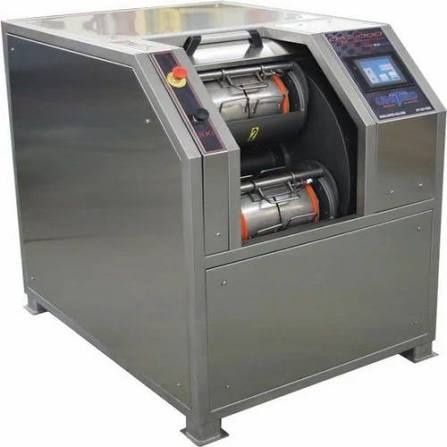
Cutoff Machines: A Complete Guide to Cutting Technology
Cutoff machines are mechanical or automated tools designed to separate materials into specific lengths or sections.
They are widely used for cutting metal bars, pipes, rods, sheets, profiles, and other industrial materials. Industrial cutoff machines can use abrasive wheels, circular blades, or other cutting mechanisms depending on the material and production requirements.
Metal cutoff machines are commonly found in fabrication facilities, manufacturing plants, construction-related operations, and metal processing environments. Their primary function is straightforward: hold or position a workpiece and make a controlled cut through it. The design of the machine determines the material size, cutting method, accuracy, and production capacity it can handle.
How Cutoff Machines Developed
Early cutting equipment relied heavily on manually operated mechanisms. Operators positioned the material, controlled the cutting head, and adjusted the machine for each operation. As manufacturing processes became more structured, mechanical feeds, powered cutting wheels, and automated controls became more common.
Modern industrial cutting machines can include sensors, programmable controls, automatic feeding systems, and digital interfaces. CNC metal cutting machines can follow programmed cutting instructions, while automated industrial cutting systems can coordinate material positioning, cutting, and handling within a production line.
Main Types of Cutoff Machines
Different cutoff machine designs are suited to different materials and applications. Common categories include:
Abrasive cutoff machines, which use an abrasive wheel to remove material through friction.
Automatic cutoff machines, which can perform repeated cutting cycles with limited manual intervention.
Heavy duty cutoff machines, designed for larger workpieces and demanding production environments.
Precision cutoff machines, developed for applications where controlled dimensions and repeatability are important.
Industrial pipe cutting machines, designed specifically for separating pipes and tubular materials.
High speed metal cutting machines, which are configured for rapid material separation under defined operating conditions.
The choice of cutting method depends on material type, thickness, required dimensions, production volume, and the characteristics of the finished cut.
Importance
Cutting is one of the basic stages in many manufacturing and fabrication processes. Before a component can be assembled, welded, machined, or formed, raw material often needs to be divided into appropriate sections. Metal cutting equipment therefore plays an important role in preparing materials for subsequent production steps.
Industrial metal cutting machines can also help create consistent workpieces when cutting conditions are properly controlled. Consistency matters because differences in length, angle, or edge condition can affect later assembly and processing activities.
Supporting Manufacturing Processes
Industrial production cutting systems are commonly connected with broader manufacturing workflows. A typical process may begin with raw material storage, followed by measurement, positioning, cutting, inspection, and movement to another production stage.
Heavy duty metal cutting equipment may be used for larger bars, structural sections, or thick materials. Smaller systems can be used where the workpieces are lighter and cutting requirements are less demanding.
Accuracy and Repeatability
Precision becomes important when cut dimensions must remain within defined tolerances. High precision industrial cutting machines may use controlled feeds, rigid structures, measurement systems, and programmable settings to maintain repeatable cutting conditions.
Precision does not depend on the machine alone. Blade condition, material movement, alignment, operator settings, temperature, and maintenance can all influence the resulting cut.
Workplace Considerations
Cutoff machines involve moving components, rotating cutting tools, sparks in some applications, noise, and material fragments. Appropriate guarding, protective equipment, machine inspection, and operator training are therefore important parts of safe operation.
Work areas should also account for material handling and ventilation where the cutting process generates dust or fumes. Safety procedures vary according to the machine design and material being processed.
| Machine Type | Typical Cutting Method | Common Applications |
|---|---|---|
| Abrasive cutoff machine | Abrasive wheel | Bars, rods, profiles |
| Automatic cutoff machine | Programmed cutting cycle | Repetitive production |
| Pipe cutting machine | Blade or specialized cutter | Pipes and tubes |
| CNC metal cutting machine | Programmed tool movement | Controlled production |
| Heavy duty cutoff machine | Reinforced cutting system | Large metal sections |
| Precision cutoff machine | Controlled cutting mechanism | Dimension-sensitive parts |
Recent Updates
Between 2024 and 2026, cutoff machine development has generally followed broader manufacturing trends toward automation, digital monitoring, improved process control, and integration with production systems. Manufacturers of industrial equipment have increasingly incorporated electronic controls and data interfaces into cutting machinery.
Automation and Digital Controls
Automated metal cutting equipment can combine material feeding, positioning, cutting, and measurement within a coordinated sequence. Sensors may detect material position or machine conditions, while programmable controls can manage recurring cutting instructions.
Advanced industrial cutoff machine systems may also communicate with other production equipment. This type of integration can help coordinate cutting with material handling, machining, inspection, or inventory systems.
CNC and Programmable Operation
CNC metal cutting machines use computer-based instructions to control selected machine movements. Instead of manually adjusting every cutting sequence, an operator can enter or select programmed parameters within the machine's control system.
CNC technology is particularly relevant when different cutting dimensions or repeated production patterns are required. The actual capabilities vary considerably between machine designs and control systems.
Data and Monitoring
Digital monitoring is another area receiving attention in industrial cutting technology. Sensors can provide information about machine status, operating cycles, tool condition, or other measurable parameters.
This information may be used to identify changes in operating conditions and support routine maintenance planning. It does not automatically determine whether a machine is functioning correctly; data still needs to be interpreted within the context of the equipment and process.
Flexible Production Systems
Custom industrial cutting systems are increasingly connected with flexible production environments. A system may be configured around particular material dimensions, feeding arrangements, cutting requirements, and downstream equipment.
This flexibility is useful where production involves multiple workpiece sizes rather than a single standardized product. However, greater system complexity can also increase the need for careful setup, documentation, and operator understanding.
Tools and Resources
Several tools and resources can help users understand or plan cutoff machine operations. The appropriate resource depends on whether the task involves material selection, dimensional planning, machine operation, or production management.
Measurement and Calculation Tools
Basic measurement tools such as calipers, measuring tapes, steel rules, and digital gauges can help verify workpiece dimensions. Cutting calculators may also assist with estimating material lengths, cutting sequences, or material usage.
For industrial applications, technical drawings and tolerance specifications provide important information about required dimensions. These documents should be interpreted alongside the machine's operating instructions.
Machine Documentation
Equipment manuals, technical datasheets, maintenance schedules, and safety documentation are useful resources for understanding a specific cutting machine. They normally describe operating controls, compatible materials, adjustment procedures, inspection requirements, and safety precautions.
Training materials can also explain subjects such as abrasive wheel selection, blade alignment, material clamping, and machine setup.
Digital Manufacturing Resources
Production planning platforms and manufacturing software can connect cutting requirements with broader production workflows. Process mapping templates can help document steps from raw material preparation through cutting and inspection.
Industrial production cutting systems may also use machine monitoring platforms to record operating information. Such platforms can help organize production records and identify recurring process patterns.
FAQs
What are industrial cutoff machines used for?
Industrial cutoff machines are used to separate materials such as metal bars, pipes, rods, profiles, and sections into defined lengths. Their configuration determines the material dimensions and cutting methods they can handle.
How do metal cutoff machines work?
Metal cutoff machines generally secure or position a workpiece while a rotating abrasive wheel, blade, or other cutting mechanism moves through the material. The cutting process depends on the machine design and material characteristics.
What are heavy duty cutoff machines?
Heavy duty cutoff machines are designed for applications involving larger or heavier workpieces. They typically incorporate stronger structures, appropriate clamping arrangements, and cutting components suited to the intended material range.
What is the difference between automatic and CNC metal cutting machines?
Automatic cutoff machines can perform repeated cutting sequences with limited manual intervention. CNC metal cutting machines use computer-based instructions to control specified machine movements and cutting operations.
Where are industrial pipe cutting machines used?
Industrial pipe cutting machines are used in manufacturing, fabrication, construction-related production, and other environments where pipes or tubular materials need to be separated into defined sections. Their configuration varies according to pipe diameter, wall thickness, material, and required cutting method.
Conclusion
Cutoff machines are important tools for separating metal and other industrial materials into controlled lengths or sections. Industrial cutting machines range from manually controlled abrasive equipment to automated metal cutting equipment and CNC-based systems. Recent developments have focused on digital controls, automation, monitoring, and integration with broader manufacturing workflows. Safe operation, appropriate machine selection, accurate measurement, and proper process control remain important considerations when using this type of equipment.

Related Post...
Weather Instruments Guide: Understanding Tools for Measuring Atmospheric Conditions
Updated: October 19, 2026
Read More
Pneumatic Clutches: A Complete Guide to Their Design and Operation
Updated: October 19, 2026
Read More
Weight Indicators Guide: Understanding Types, Functions, and Industrial Applications
Updated: October 19, 2026
Read More