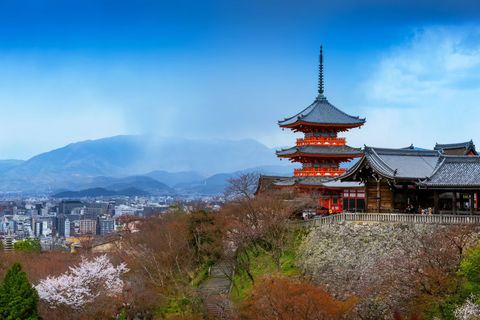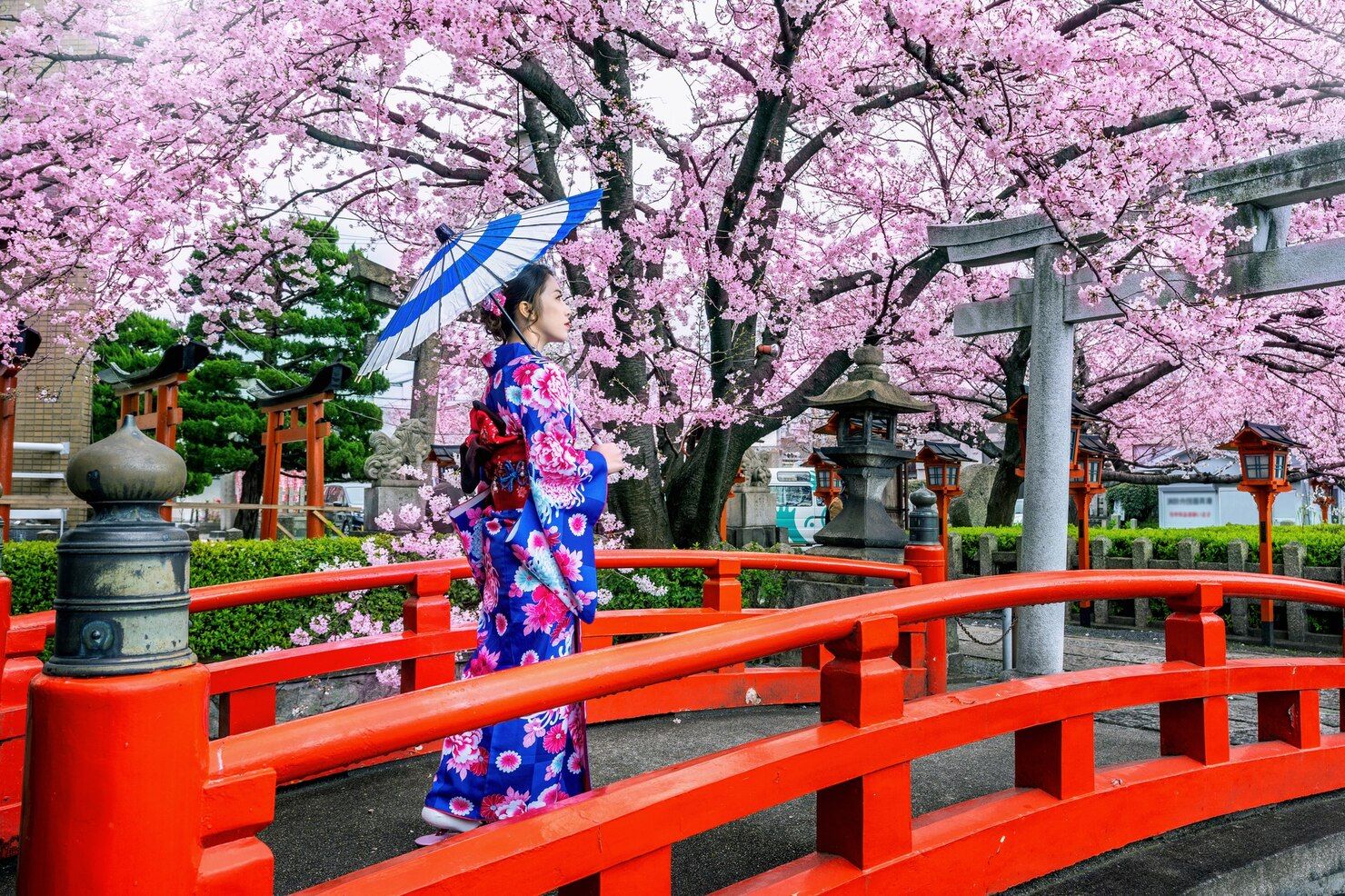
The idea of structured Japan tour itineraries has grown due to increasing global interest in destinations that combine natural scenery, technology, and cultural identity. Because Japan is known for efficient transport, safe urban spaces, and preserved traditions, two-week travel plans offer a balanced approach that simplifies route planning and helps travelers understand local customs, etiquette, and regional diversity.
Importance
A 14-day Japan travel plan matters today because international tourism continues to increase, and travelers look for clear, reliable guidance to understand the country's culture and geography. It helps:
-
Visitors who want a structured route covering Tokyo, Kyoto, Osaka, Hiroshima, Mount Fuji, Nara, and regional towns.
-
Cultural travelers who want deep insights into temples, shrines, tea culture, gardens, and museums.
-
First-time visitors who need information on transportation passes, navigation tools, etiquette, and weather patterns.
Well-organized travel knowledge also helps reduce misinformation, providing clarity on cultural interactions, route planning, luggage handling, and seasonal travel conditions. It supports safe and respectful tourism by explaining local customs such as bowing, queuing, maintaining quiet in public spaces, and handling payments.
A clear educational guide solves several challenges:
-
Difficulty choosing destinations within a limited timeline.
-
Confusion about Japan Rail Pass updates and public transportation.
-
Understanding cultural expectations and communication habits.
-
Managing travel seasons like cherry blossoms, autumn foliage, or winter festivals.
Recent Updates
Japan’s tourism sector has experienced several changes and trends during 2024–2025 that influence trip planning:
Japan Rail Pass Price Changes (October 2023–2024):
The Japan Rail (JR) Pass experienced a significant price increase in late 2023, which continued to influence travel planning throughout 2024. Many travelers now compare regional passes or prepaid IC cards instead of choosing a national pass.
Digital Immigration System Expansion (2024):
Japan expanded the Visit Japan Web digital immigration and customs system, reducing paper forms and making entry more efficient. Travelers now complete immigration, customs, and quarantine requirements online before arrival.
Tourism Growth Resurgence (2024–2025):
By 2024, Japan reportedly surpassed pre-pandemic tourism levels, increasing demand for transportation, accommodations, and popular sightseeing routes. This trend continued into 2025, encouraging more sustainable travel practices and encouraging tourists to explore lesser-known regions like Kanazawa, Takayama, and Fukuoka.
Cashless Payment Expansion (2024):
Japan accelerated its cashless ecosystem, with wider adoption of QR payments, transit IC cards, and contactless transactions in shops, restaurants, and stations.
Laws or Policies
Several policies influence travel planning and cultural exploration in Japan:
Immigration Entry Requirements:
Japan requires a valid passport, digital immigration registration through Visit Japan Web, and compliance with customs regulations. Rules are structured to streamline entry and ensure transparent documentation.
Cultural Heritage Protection Laws:
Historic temples, shrines, castles, and gardens are governed by cultural preservation policies. Visitors must follow guidelines such as restricted photography, no-touch zones, quiet areas, and designated walking paths.
Public Transport Etiquette Policies:
Railway companies enforce behavioral guidelines that encourage quiet travel, priority seating for elderly passengers, luggage placement rules, and no-phone-call policies inside trains.
Environmental and Waste Regulations:
Japan maintains strict waste-sorting regulations. Travelers often need to carry small trash bags because public bins are limited. These rules support national waste-reduction programs.
Tourism Management Initiatives:
Some regions implement crowd-control measures during peak seasons. Kyoto, for example, introduced updated tourism management guidelines in late 2024 to reduce congestion in popular districts such as Gion and Arashiyama.
Tools and Resources
Travelers can rely on several helpful apps, digital tools, travel planning websites, and navigation platforms:
Navigation and Transport Tools
-
Google Maps – Accurate for walking, train routes, and real-time schedules.
-
Japan Travel by NAVITIME – Train planners, transit maps, and route suggestions.
-
JR East, JR West regional apps – Timetables and railway updates.
-
Suica / Pasmo Mobile App – Digital transit cards for trains, metros, and convenience stores.
Cultural and Language Resources
-
Duolingo Japanese – Basic phrases and reading practice.
-
Takoboto Dictionary – Word meanings and example phrases.
-
Voice translation apps – Useful for small shops or rural areas.
Trip Planning and Itinerary Tools
-
Japan Guide – Regional insights, cultural explanations, and seasonal tips.
-
HyperDia (archived/limited) – Previously used for train planning; still referenced for rail data.
-
Weathernews Japan – Local weather updates, seasonal conditions, and forecasts.
Digital Payment and Logistics Tools
-
PayPay and Rakuten Pay – Widely accepted QR payment apps.
-
Delivery locker services (駅 lockers) – Manage luggage while sightseeing.
Sample 14-Day Exploration Overview (Table)
| Day Range | Region/City | Themes |
|---|---|---|
| Days 1–4 | Tokyo | Modern landmarks, museums, technology districts, traditional shrines |
| Days 5–7 | Hakone / Mt. Fuji Area | Scenic views, hot springs, lakeside exploration |
| Days 8–11 | Kyoto & Nara | Cultural heritage, temples, gardens, classical architecture |
| Days 12–13 | Osaka or Hiroshima | Food culture, castles, historic learning sites |
| Day 14 | Tokyo Return or Departure | Final exploration and travel preparations |
This layout supports route flow and minimizes backtracking.
Example Seasonal Travel Pattern (Graph Insight)
While the actual graph is not embedded, the pattern typically follows:
-
Spring (March–April): High interest due to cherry blossoms.
-
Summer (June–August): Mixed interest due to heat; popular for festivals.
-
Autumn (October–November): Increased travel for foliage season.
-
Winter (December–February): Moderate travel except during New Year holidays.
FAQs
How much time does a 14-day itinerary allow for cultural exploration?
Two weeks allow travelers to experience both major cities and historical regions at a manageable pace. It supports deeper engagement with temples, museums, markets, and nature spots without feeling rushed.
Is English widely spoken across Japan?
English is commonly used in hotels, transport hubs, and major tourist sites. Rural areas may have limited English, but signage is increasingly multilingual, and translation apps help bridge communication gaps.
What is the best time to plan a 14-day Japan trip?
Spring and autumn are considered ideal for comfortable temperatures and scenic landscapes. However, winter festivals and summer events also attract travelers depending on interests.
Do travelers need special passes for transportation?
Travelers often use IC cards such as Suica or Pasmo. Regional rail passes are available, and route planners help determine the most efficient option based on travel patterns.
How should travelers prepare for cultural etiquette?
Basic etiquette includes speaking softly in public, removing shoes when required, respecting religious areas, queuing patiently, and being mindful of personal space.
Conclusion
A 14-day Japan travel plan provides a balanced structure for experiencing modern cities, natural landscapes, and ancient cultural sites. With updated policies, digital tools, and improved accessibility, travelers can navigate Japan confidently and respectfully. Understanding cultural practices, transportation systems, and regional differences helps create meaningful travel experiences. By relying on accurate guides, essential apps, and updated travel insights, visitors can explore Japan with clarity and awareness, gaining a deeper appreciation of its traditions, food culture, and scenic environments.