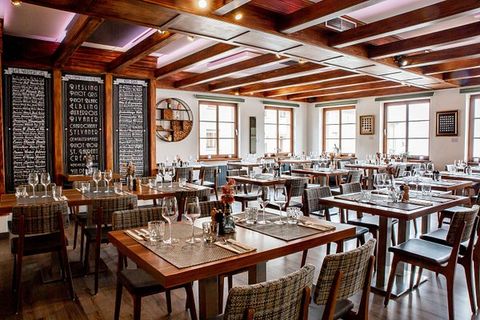
Cafe Dining Furniture: A Guide to Materials, Styles, and Layout Basics
Cafe dining furniture includes the tables, chairs, stools, benches, and related pieces used to create comfortable dining areas in cafes and similar food spaces.
Cafe dining furniture has developed alongside changing dining habits, interior design preferences, building layouts, and material technology. Traditional cafes often used simple wooden tables and chairs, while modern spaces may combine wood, metal, upholstered seating, and compact furniture.
The purpose of cafe dining furniture extends beyond appearance. Furniture influences how people move through a room, where they sit, how much space is available between tables, and how easily the area can be cleaned and maintained. Understanding materials, styles, dimensions, and layout principles can help readers understand why different furniture arrangements work for different environments.
Common Furniture Types
Cafe tables are available in several shapes, including round, square, rectangular, and oval designs. Chairs may have wooden, metal, plastic, or upholstered components. Counter-height stools are commonly used near counters or high tables, while benches can accommodate several people along walls or fixed seating areas.
Furniture selection is usually connected to the size and purpose of the dining area. Smaller spaces may require compact tables and chairs that allow clear pathways, while larger rooms can accommodate different seating zones.
Importance
Cafe dining furniture matters because it affects comfort, movement, accessibility, cleaning routines, and the overall use of available space. A visually attractive arrangement can still create practical problems if tables are too close together or seating blocks important pathways.
For everyday users, comfortable seating and adequate table space influence the dining experience. For people responsible for planning a cafe interior, furniture dimensions and placement are important for organizing the room efficiently.
Practical Layout Considerations
A useful layout generally considers several factors:
- Movement: Walkways should remain clear so people can enter, leave, and move between seating areas.
- Comfort: Chairs should provide enough personal space, while tables should have suitable height and legroom.
- Accessibility: Routes and seating arrangements should consider people with mobility needs and applicable local accessibility requirements.
- Flexibility: Movable tables can make it easier to accommodate different group sizes and activities.
- Maintenance: Materials and finishes should be considered in relation to cleaning frequency and everyday wear.
Materials and Their Characteristics
Different materials have different physical characteristics. Wood can provide a warm visual appearance, while metal is often associated with contemporary interiors. Laminates and engineered surfaces can provide a range of colors and patterns, while upholstered elements can add softness to seating.
| Material | Common characteristics | Typical considerations |
|---|---|---|
| Solid wood | Natural appearance and varied grain | Weight, moisture, surface care |
| Metal | Structured appearance and durability | Surface finish and temperature |
| Laminate | Many patterns and easy-clean surfaces | Edge protection and surface quality |
| Plastic | Lightweight and versatile | Heat, scratches, and environmental conditions |
| Upholstery | Softer seating experience | Cleaning and fabric durability |
No single material is suitable for every setting. The surrounding environment, cleaning routine, expected use, design concept, and available space all influence material selection.
Recent Updates
Recent developments in cafe interiors have focused on flexibility, practical maintenance, material awareness, and efficient use of space. Furniture layouts increasingly combine different seating heights and formats rather than relying on one uniform arrangement.
Flexible and Modular Arrangements
Modular tables and movable seating can allow spaces to change between smaller and larger groups. This approach is useful where the same dining area needs to support different activities throughout the day.
Compact furniture is also relevant in urban environments where floor area may be limited. Round tables, wall-side benches, narrow tables, and stackable chairs can help organize smaller rooms while maintaining usable circulation paths.
Material and Design Trends
Current furniture design frequently combines natural-looking surfaces with metal frames, neutral finishes, and simple shapes. There is also greater attention to materials with recycled content, responsibly sourced materials, and finishes designed for longer practical use.
Ergonomic considerations have become more visible as well. Seat height, back support, table height, and adequate legroom are increasingly considered together instead of treating appearance as the only design factor.
Tools and Resources
Several tools can help people understand or plan cafe dining furniture arrangements. Digital floor-planning platforms can create scaled room layouts and allow users to test different table and chair positions. Many platforms include measurement features, furniture libraries, and basic three-dimensional views.
Furniture dimension guides and ergonomic references can help readers compare common table and seating measurements. Spreadsheet templates can also be useful for recording dimensions, quantities, material types, and layout notes.
Building regulations and accessibility guidance from relevant local authorities are important resources when a layout involves public spaces. Manufacturer specification sheets can provide information about dimensions, materials, weight limits, cleaning instructions, and assembly requirements.
Basic Planning Measurements
Before arranging furniture, it is useful to record the room's length, width, entrances, windows, counters, columns, and fixed equipment. A scaled drawing can then show how furniture fits within the available area.
A simple planning process can include:
- Measure the usable floor area.
- Mark permanent features and access points.
- Record the dimensions of tables and seating.
- Draw possible arrangements to scale.
- Check walking paths and seating clearances.
- Review accessibility requirements applicable to the location.
These steps help distinguish between a layout that appears suitable on paper and one that functions effectively in everyday use.
FAQs
What is cafe dining furniture?
Cafe dining furniture refers to tables, chairs, stools, benches, and related seating pieces used in cafe dining areas. It can vary in material, size, height, shape, and design according to the space and intended use.
Which materials are commonly used for cafe dining furniture?
Wood, metal, laminate, plastic, and upholstered materials are commonly used. Each has different characteristics related to appearance, weight, maintenance, durability, and environmental suitability.
How should cafe dining furniture be arranged?
The arrangement should consider table dimensions, seating comfort, clear movement paths, entrances, fixed equipment, and applicable accessibility requirements. A scaled floor plan can help assess different layouts before furniture is positioned.
How can cafe dining furniture work in a small space?
Compact tables, wall-side seating, benches, stackable chairs, and flexible layouts can help use limited floor area efficiently. Clear circulation paths should remain a central consideration.
What should be considered when choosing cafe dining furniture materials?
Important factors include the furniture's intended use, cleaning routine, room conditions, expected wear, comfort, appearance, and maintenance requirements. Local environmental conditions can also influence material suitability.
Conclusion
Cafe dining furniture combines practical requirements with interior design considerations. Materials, furniture dimensions, seating styles, and room layouts all influence how effectively a dining area functions. Recent trends emphasize flexible arrangements, compact planning, ergonomic considerations, and greater attention to material characteristics. A clear understanding of these basics provides useful context for evaluating different cafe dining environments.

Related Post...
The Ultimate Guide to Folding Dining Tables: Stylish, Space-Saving Solutions for Every Home
Updated: September 17, 2025
Read More
Interior Design Guide: Learn About Styles, Elements, and Planning
Updated: October 19, 2026
Read More