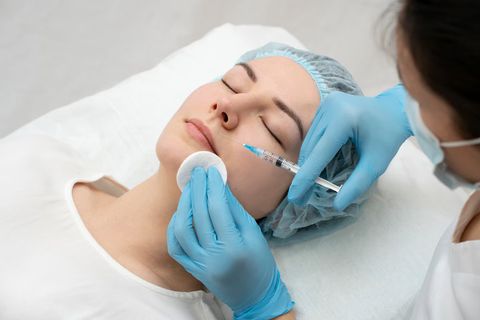
They exist because aging, environmental exposure, and lifestyle factors gradually affect the skin. As collagen and elastin production naturally decline, skin loses firmness and elasticity. Injectable treatments emerged as a scientific response, offering targeted support to maintain a more youthful appearance without invasive surgery.
Importance
The role of injectable treatments is increasingly significant today due to longer life expectancies and a growing cultural emphasis on wellness and appearance. These treatments matter because:
Aging population: With people living longer, maintaining a youthful look has become an area of interest.
Stress and environment: Pollution, sun exposure, and daily stress accelerate skin changes.
Psychological well-being: Some individuals feel more confident when their outer appearance matches how youthful they feel inside.
Accessible alternatives: Non-surgical procedures are generally seen as less intimidating compared to full cosmetic surgeries.
Injectables affect a wide demographic, from younger adults seeking preventive care to older adults addressing visible signs of skin aging. They provide solutions to problems such as:
Fine lines around the eyes or forehead
Loss of cheek or lip volume
Uneven skin texture or tone
Recent Updates
In 2024 and 2025, several trends have shaped the injectable treatment landscape:
| Update Area | Year | Description |
| Natural Results | 2024 | Emphasis on subtle enhancements rather than dramatic changes for authenticity. |
| Combination Therapy | 2025 | Techniques combining injectables with micro-needling and laser therapies for improved results. |
| Formulation Tech | Recent | Advances in hyaluronic acid and neuromodulators for longer-lasting outcomes. |
| Preventive Care | 2024 | Increased use of injectables by people in their late 20s as a preventive measure. |
In 2025, global health bodies emphasized more rigorous post-treatment monitoring to ensure patient safety.
Laws or Policies
Injectable treatments are regulated differently depending on the country, but in most places, they are considered medical procedures and fall under healthcare oversight.
United States
The Food and Drug Administration (FDA) approves injectable substances and monitors adverse event reports. Only licensed healthcare professionals are authorized to administer them.
European Union
The European Medicines Agency (EMA) sets strict guidelines for injectable products, while each country enforces licensing for practitioners.
India (2024-2025)
The Central Drugs Standard Control Organization (CDSCO) regulates injectable products, requiring safety and efficacy approvals. Guidelines also stress that only qualified dermatologists or plastic surgeons can perform such procedures.
Global Trend
Governments are updating policies to reduce unlicensed or untrained practice, which can pose risks to patients. These policies aim to ensure safe treatment environments and protect individuals from counterfeit or unsafe products.
Tools and Resources
Those interested in learning more about injectable treatments can use several resources to make informed decisions:
U.S. FDA official site: For safety alerts and approved injectable lists.
European Medicines Agency: For product updates and regulations.
Dermatology and Aesthetic Medicine Associations: For evidence-based resources.
SkinVision and MySkinPal: Mobile apps to track skin health changes and treatment history.
Academic Journals: Including the Journal of Cosmetic Dermatology and Aesthetic Surgery Journal.
| Resource Type | Example Source | Purpose |
| Regulatory Website | FDA, EMA, CDSCO | Updates on safety and approval |
| Mobile App | SkinVision, MySkinPal | Track skincare and treatment history |
| Journal | Aesthetic Surgery Journal | Research and professional insights |
| Professional Body | Dermatology Associations | Educational guidelines and ethics |
FAQs
What are injectable treatments?
They are non-surgical medical procedures where substances such as hyaluronic acid fillers or neuromodulators are injected into the skin to reduce wrinkles, restore volume, or enhance features.
Are injectables permanent?
No, most injectables are temporary. Their effects can last from several months up to two years, depending on the type and the individual’s metabolism.
Who can perform injectable treatments?
In most countries, only licensed healthcare professionals—such as dermatologists, plastic surgeons, or trained medical practitioners—are authorized to administer them.
Are injectable treatments safe?
When performed by qualified professionals using approved products, they are generally considered safe. Risks include swelling, bruising, or minor discomfort, which typically resolve within days.
How do injectables differ from surgical procedures?
Injectables are less invasive, require minimal recovery time, and focus on targeted areas, whereas surgery involves longer recovery and permanent structural changes.
Conclusion
Injectable treatments represent a significant development in modern dermatology and aesthetic care, offering a minimally invasive way to support skin health and maintain a youthful glow. Their growing popularity reflects both scientific progress and shifting cultural attitudes toward aging and wellness. With proper regulation, informed decision-making, and access to reliable resources, individuals can better understand these treatments and their role in skin health. As research continues to evolve, injectables will likely remain an important option for those seeking balance between natural aging and personal well-being.