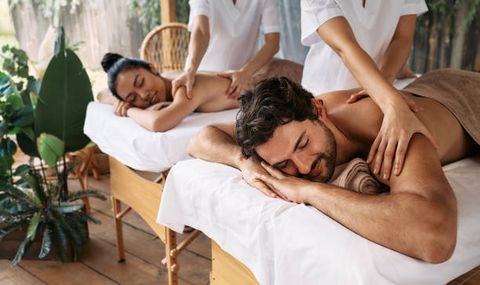
In this article, we’ll dive into the health advantages, popular types of Asian massages, and tips for choosing the best Asian massage services in your local area.
What Are Asian Massages?
Asian massages are therapeutic bodywork techniques originating from countries like Thailand, China, Japan, and India. These treatments go beyond simple relaxation — they aim to balance energy (also known as Qi or Prana), improve circulation, relieve muscular tension, and enhance holistic wellness.
Popular Types of Asian Massages:
Thai Massage: A powerful full-body therapy using pressure and assisted yoga-style stretching.
Chinese Tui Na Massage: A form of traditional Chinese medicine that uses pressure, tapping, and kneading to regulate Qi.
Shiatsu Massage: A Japanese technique that applies finger pressure to acupressure points.
Ayurvedic Massage: Originating from India, this style uses warm herbal oils tailored to your dosha.
Balinese Massage: A soothing massage blending deep tissue work with aromatherapy and reflexology.
Each of these Asian massage techniques offers a different approach, but all contribute to improved health and vitality.
Top Benefits of Asian Massages Near You
Eases Muscle Pain and Tension
If you suffer from chronic back pain, neck stiffness, or joint discomfort, Asian massages like Thai and Tui Na can work wonders. The deep pressure and stretching techniques help release muscle knots and improve mobility.
Boosts Blood Circulation
One major advantage of traditional Asian massages is their ability to stimulate circulation. Better blood flow delivers oxygen and nutrients to tissues more efficiently, enhancing healing and overall energy levels.
Reduces Stress and Anxiety
Asian massages are deeply calming. Techniques like Shiatsu massage and Ayurvedic massage help balance the nervous system and lower cortisol, promoting relaxation and mental clarity.
Improves Flexibility and Mobility
Regular Thai massage sessions can improve your posture and enhance flexibility. The assisted stretching is especially beneficial for office workers or anyone with a sedentary lifestyle.
Supports Immune Function
By stimulating the lymphatic system and improving energy flow, Asian massages enhance your body’s natural defenses. Therapies like Shiatsu and Ayurvedic massage focus on restoring internal balance and promoting long-term wellness.
Promotes Better Sleep
Asian massage techniques help increase serotonin and melatonin levels, supporting deeper and more restful sleep. Many people report improved sleep patterns after just one session.
How to Find the Best Asian Massages Near You
When searching for “Asian massages near me,” keep the following tips in mind:
Use Online Search Tools: Use search terms like “best Asian massage near me” or “local Thai massage spa” to find reputable providers.
Check Reviews and Ratings: Customer reviews on Google and Yelp can provide insight into quality and cleanliness.
Verify Therapist Credentials: Make sure your massage therapist is certified and that the spa meets all legal standards.
Ask Questions Before Booking: Call ahead to learn more about the types of massages offered and techniques used.
Try Introductory Sessions: Many spas offer trial packages or first-time customer discounts.
| Massage Type | Origin | Key Technique | Primary Benefit |
| Thai | Thailand | Assisted stretching & yoga | Flexibility & pain relief |
| Shiatsu | Japan | Finger pressure on points | Energy flow & stress reduction |
| Tui Na | China | Kneading & rolling | Muscle tension & Qi balance |
| Ayurvedic | India | Warm herbal oils | Detoxification & relaxation |
| Balinese | Indonesia | Aromatherapy & deep tissue | Holistic soothing & skin health |
What to Expect During Your First Asian Massage Session
Your first Asian massage experience will vary depending on the technique you choose. Here’s what a typical session might involve:
Consultation: Discuss your needs, concerns, and medical history with the therapist.
Massage Setting: Enjoy a tranquil space with calming music, incense, and dim lighting.
Therapy: Thai massages may involve floor mats, while Ayurvedic massages typically use warm oils. Shiatsu involves rhythmic finger pressure.
Post-Therapy Tips: Hydrate well, avoid heavy meals, and rest afterward to allow your body to absorb the benefits.
Tips for Getting the Most Out of Your Asian Massage
Communicate Clearly: Let your therapist know if the pressure is too intense.
Be Consistent: Regular Asian massages lead to better results for stress management.
Drink Water Post-Session: Massage releases toxins, and hydration helps flush them out.
Combine with Other Wellness Practices: Integrate yoga or meditation for a more holistic approach.
Debunking Common Myths About Asian Massages
Myth: All Asian massages are the same. In truth, each technique—Thai, Shiatsu, Ayurvedic, Balinese—has its own unique method.
Myth: Asian massages are painful. While some involve firm pressure, your therapist will adjust to your comfort level.
Myth: Asian massages are only for relaxation. They are also used for chronic pain, anxiety relief, and injury recovery.
Why Choosing Local Asian Massage Services Matters
By choosing a local Asian massage spa, you enjoy personalized attention and easier scheduling. Local providers often offer package deals, discounts, and loyalty rewards. You also contribute to your local economy while getting high-quality therapy. Searching for “Asian massage near me” can help you find hidden gems that deliver authentic, culturally-rooted massage experiences without traveling far.
Conclusion
Asian massages offer a powerful blend of ancient wisdom and modern wellness. Whether you’re interested in stress relief, physical therapy, or simply an escape from daily tension, discovering the right Asian massage near you can transform your health journey. From Thai and Shiatsu to Ayurvedic and Tui Na, there’s a perfect therapy waiting for you. Use the tips in this guide to explore the world of Asian massages, connect with trusted local providers, and enjoy all the healing benefits these timeless techniques have to offer.