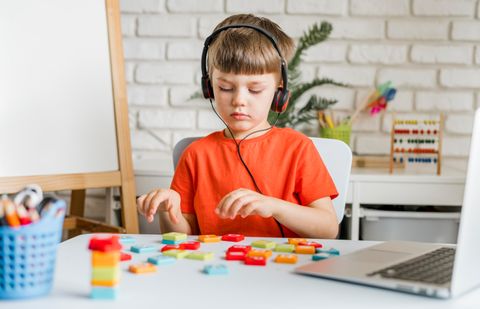
This approach has existed for centuries in the form of puzzles, storytelling, and group challenges, but in recent years, digital technology has made educational gaming widely accessible. Today, classrooms, homes, and even after-school programs use them as part of blended learning environments.
Importance
Educational games matter because they bridge the gap between entertainment and structured learning. In a world where children spend increasing amounts of time on screens, these games provide a way to channel attention into activities that support growth.
Cognitive development: Games that focus on math or logic puzzles help improve critical thinking and memory.
Literacy skills: Word games, reading challenges, and storytelling apps encourage vocabulary building.
STEM learning: Science simulations and coding games introduce kids to concepts in physics, biology, and computer science.
Social interaction: Multiplayer educational games encourage teamwork, communication, and emotional intelligence.
Accessibility: Many platforms adapt to different learning levels, supporting children with varying abilities.
These tools affect children, parents, and educators. They solve the challenge of keeping children motivated to learn, especially in early education when attention spans are shorter.
Recent Updates
The past year has brought new trends and innovations in educational gaming. For example:
A survey in 2023 by the Education Technology Industry Network reported that nearly 70% of teachers worldwide incorporated at least one digital learning game in their classrooms weekly.
Laws or Policies
Government involvement in educational games varies by country, often connected to broader digital learning strategies. For example:
United States
The Every Student Succeeds Act (ESSA) encourages the integration of technology in classrooms, including digital games, when backed by evidence-based results.
European Union
Digital Education Action Plan (2021–2027) emphasizes using technology to enhance digital skills, including educational games.
India
The National Education Policy 2020 promotes experiential learning and digital tools, supporting game-based approaches for foundational literacy and numeracy.
Australia
Government-supported resources such as “Digital Technologies Hub” recommend game-based learning methods as part of STEM education initiatives.
Tools and Resources
There are numerous platforms, apps, and resources that parents and educators can use to introduce children to educational games.
FAQs
What age groups can benefit from educational games?
Children as young as preschool age can engage with simple matching and sorting games, while older children can explore advanced subjects like coding, algebra, or science simulations.
Are educational games effective for learning?
Yes. Studies show that educational games improve engagement, motivation, and retention. However, they work best when combined with traditional teaching methods and parental guidance.
Do educational games replace school learning?
No. These games are supplementary tools. They enhance, not replace, structured education provided by teachers and curricula.
How do parents ensure games are safe and age-appropriate?
Parents should check game ratings, read independent reviews, and monitor usage. Platforms often include parental controls and privacy features.
What skills beyond academics can kids learn from games?
Games also teach collaboration, patience, problem-solving, time management, and resilience in the face of challenges.
Conclusion
Educational games for kids represent a modern way of combining play with purposeful learning. They encourage children to develop essential skills in a format that feels enjoyable and motivating. While they should not replace formal education, they are valuable tools that support cognitive, social, and emotional growth. Governments, educators, and parents increasingly recognize the importance of game-based learning in preparing children for the demands of the future. With thoughtful selection and balanced use, educational games can enrich the learning experience and open new pathways for curiosity and discovery.