Fabric Coating Machine Insights: Important Factors, Techniques, and Functions
A fabric coating machine is industrial equipment used to apply a controlled layer of a material onto textile surfaces.
The coating may be used to change characteristics such as water resistance, durability, appearance, flexibility, friction, or resistance to environmental conditions. Different textile industries use coating processes for fabrics intended for clothing, furniture, protective materials, packaging, outdoor products, and technical applications.
The basic idea behind fabric coating has existed for many years. Earlier textile processes often relied on manual or relatively simple application methods. Modern equipment provides more controlled application through regulated coating thickness, material flow, drying conditions, and fabric movement.
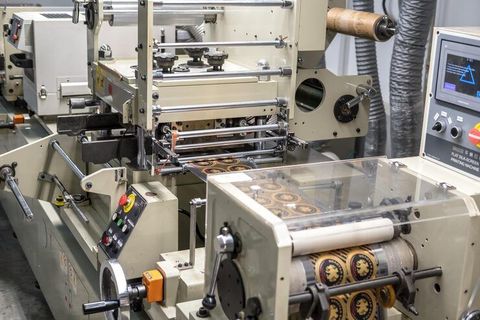
A typical fabric coating machine can include several connected stages. Fabric is guided through the equipment, coating material is applied using a selected technique, and the coated textile may then pass through drying or curing zones. The exact arrangement depends on the fabric, coating material, production requirements, and intended characteristics.
Common coating materials
Coating materials can vary considerably. Examples include polymer-based compounds, acrylic formulations, polyurethane systems, silicone-based materials, and other specialized formulations. Each material behaves differently during application and drying.
The choice depends on factors such as flexibility, adhesion, temperature resistance, surface appearance, and the intended use of the finished fabric. Compatibility between the textile and coating material is an important consideration because poor adhesion can affect the final result.
Importance
Fabric coating machines matter because coated textiles are used in many everyday products and industrial applications. A coating can modify the surface of a fabric without completely changing the underlying textile structure.
For example, coated fabrics can be used where resistance to moisture, abrasion, chemicals, heat, or outdoor exposure is required. The process can also influence texture, stiffness, surface smoothness, and visual appearance.
Factors that affect coating results
Several factors influence how a coating behaves during production:
- Fabric type and surface structure
- Coating material characteristics
- Application method
- Coating thickness
- Fabric speed
- Drying or curing temperature
- Tension control
- Ambient conditions
- Surface preparation
Fabric tension is particularly important because uneven tension can contribute to wrinkles, distortion, or inconsistent coating. Temperature control also matters because excessive or insufficient heat can affect drying and material properties.
Common coating techniques
Different techniques are selected according to the required coating characteristics. Knife coating uses a blade to regulate the amount of material deposited on the textile. Roll coating uses rotating rollers to transfer coating material onto the fabric.
Dip coating involves passing fabric through a coating bath, while spray coating applies material through controlled spraying equipment. Transfer coating can apply a coating onto another surface before transferring it to the textile.
| Technique | General principle | Common consideration |
|---|---|---|
| Knife coating | A blade controls deposited material | Coating thickness |
| Roll coating | Rollers transfer coating material | Roller pressure and speed |
| Dip coating | Fabric passes through a coating bath | Material pickup |
| Spray coating | Material is sprayed onto fabric | Spray distribution |
| Transfer coating | Coating is transferred to fabric | Layer adhesion |
The selection of a technique depends on the fabric structure, coating formulation, desired thickness, production speed, and finishing requirements.
Recent Updates
From 2024 through 2026, the general direction of fabric coating technology has focused on greater process control, resource efficiency, automation, and improved monitoring. Manufacturers and researchers have increasingly examined ways to reduce material waste and maintain consistent coating conditions.
Digital monitoring has become more relevant in modern textile processing. Sensors can monitor variables such as temperature, fabric speed, tension, coating thickness, and equipment conditions. Data from these systems can help operators identify variations during production.
Automation and process monitoring
Automated control systems can adjust selected machine parameters according to programmed production conditions. Some systems also use cameras or sensors to identify surface irregularities and coating inconsistencies.
Another developing area is the use of formulations designed with environmental considerations in mind. Water-based systems, lower-solvent approaches, and coating processes designed to use fewer resources have received attention across textile research and manufacturing.
Energy management is also an important topic. Drying and curing stages can require significant thermal energy, so equipment design increasingly considers heat recovery, temperature control, insulation, and efficient airflow.
These developments do not eliminate the need for human oversight. Material behavior, fabric characteristics, and production conditions can vary, making process knowledge important when interpreting machine data.
Tools and Resources
Several resources can help readers understand fabric coating machine operation and textile finishing. Equipment manuals and technical datasheets can explain machine components, operating ranges, maintenance procedures, and material compatibility.
Textile engineering references can provide background information about coating methods, fabric structures, polymer behavior, and finishing processes. Standards organizations can also provide documents concerning textile testing and measurement methods.
Useful technical resources
Helpful resources include:
- Textile testing standards and measurement references
- Manufacturer equipment manuals
- Coating material technical datasheets
- Fabric specification sheets
- Production parameter records
- Thickness measurement tools
- Temperature monitoring instruments
- Digital process-monitoring systems
- Textile engineering textbooks and research publications
Calculators and spreadsheets can also assist with basic production calculations. For example, operators may calculate coating weight, fabric throughput, material usage, or drying residence time using measured process values.
When interpreting technical specifications, it is important to check the measurement units and test conditions. Two results may not be directly comparable if they were produced using different fabrics, coating formulations, temperatures, or testing procedures.
FAQs
What is a fabric coating machine?
A fabric coating machine is equipment designed to apply a controlled layer of coating material to textile surfaces. Depending on the configuration, it may also include drying, curing, tension control, and inspection stages.
How does a fabric coating machine work?
Fabric is normally guided through a controlled path while coating material is applied using a method such as knife, roll, dip, spray, or transfer coating. The coated material may then pass through heated or controlled drying zones.
What factors influence fabric coating machine performance?
Important factors include fabric type, coating formulation, coating thickness, machine speed, tension, temperature, drying conditions, and surface preparation. Consistent control of these variables can influence coating uniformity.
Which techniques are used with a fabric coating machine?
Common techniques include knife coating, roll coating, dip coating, spray coating, and transfer coating. Each method has different operating principles and is suited to different combinations of fabric and coating requirements.
Why is coating thickness important?
Coating thickness affects properties such as flexibility, surface feel, weight, durability, and resistance characteristics. Excessive or insufficient coating can change the intended behavior of the finished textile.
Conclusion
Fabric coating machines combine controlled material application with fabric handling, drying, and process monitoring. Their operation depends on factors including coating formulation, textile structure, application technique, temperature, tension, and coating thickness. Recent developments have placed greater attention on automation, monitoring, resource efficiency, and process consistency. Understanding these basic principles provides useful context for interpreting how coated textiles are produced and evaluated.

Related Post...
Furniture Assembly Machines Insights: Learning About Automated Assembly Processes
Updated: October 19, 2026
Read More
Baggage Handling System Insights into Conveyor Technology and Luggage Tracking
Updated: October 20, 2026
Read More
Industrial Gas Turbine Power Generators Guide for Energy Generation Systems
Updated: October 19, 2026
Read More