Industrial Equipment Guide: Exploring Machinery, Components, and Operating Functions
Industrial equipment refers to machines, systems, and supporting components used to perform physical tasks in manufacturing, construction, agriculture, energy, logistics, mining, and other industrial activities.
An Industrial Equipment Guide helps explain how these machines are organized, what their main parts do, and how different operating functions work together.
Modern industrial machinery developed from simple mechanical devices such as levers, gears, pulleys, and engines. As production became more complex, equipment began combining mechanical, electrical, hydraulic, pneumatic, and electronic technologies. This progression created machines that can perform repeated tasks with controlled movement, force, speed, temperature, or pressure.
Main Categories of Industrial Equipment
Industrial equipment can be grouped according to the task it performs. Common categories include material-handling equipment, production machinery, power systems, processing equipment, packaging systems, and measurement devices.
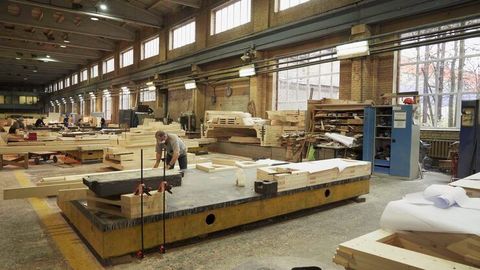
Material-handling machines move, lift, position, or store goods and raw materials. Production machinery shapes or assembles materials, while processing equipment changes physical or chemical properties through controlled operations. These categories often work together as parts of a larger production system.
Common Components and Their Functions
Although industrial machines vary considerably, many contain similar types of components. Motors or engines provide energy, drives transfer motion, and shafts, gears, belts, or chains transmit mechanical movement.
Sensors can detect conditions such as position, temperature, pressure, speed, or vibration. Controllers interpret signals and coordinate machine actions, while valves, pumps, cylinders, and actuators manage fluid or mechanical movement in systems that use hydraulic or pneumatic power.
Importance
Industrial equipment matters because many everyday products and infrastructure systems depend on machinery to process materials, move goods, assemble components, or maintain controlled operating conditions. Equipment used in a facility can influence production consistency, workplace conditions, energy use, and the amount of manual effort required.
For general users, understanding machinery can also make technical information easier to interpret. Equipment specifications often contain terms related to capacity, power, dimensions, operating speed, pressure, temperature range, accuracy, and control methods.
Supporting Different Industrial Tasks
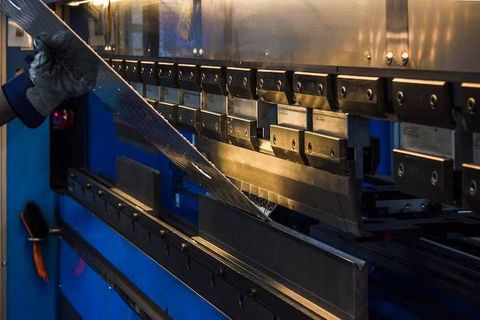
Different machines address different physical requirements. A conveyor moves materials across a defined path, a compressor raises the pressure of a gas, a pump moves liquids, and a hydraulic press applies controlled force to shape or compress materials.
Some systems are designed for continuous operation, while others work in cycles. Automated equipment may use programmable controllers and sensors to coordinate several steps, whereas manually operated machinery may depend more heavily on direct human control.
Safety and Operating Conditions
Safe equipment operation depends on factors such as machine design, installation, operating procedures, guarding, environmental conditions, and appropriate training. Moving parts, electrical energy, stored pressure, heat, noise, and heavy loads can create hazards when equipment is used incorrectly.
Important operating information commonly includes:
- Rated capacity and operating limits
- Required electrical or mechanical input
- Temperature and pressure ranges
- Guarding and emergency-stop arrangements
- Inspection and maintenance intervals
- Environmental requirements
Equipment should be operated according to its applicable documentation and workplace procedures. Specific safety requirements vary by machine type, location, industry, and applicable regulations.
Comparing Common Equipment Types
The following table provides a basic comparison of several industrial machine categories.
| Equipment type | Primary function | Common energy source | Typical application |
|---|---|---|---|
| Conveyor | Moves materials | Electric motor | Material handling |
| Pump | Moves liquids | Electric motor or engine | Water and process systems |
| Compressor | Pressurizes gases | Electric motor or engine | Pneumatic systems |
| Hydraulic press | Applies controlled force | Hydraulic power | Forming and pressing |
| CNC machine | Cuts or shapes material | Electrical and mechanical power | Manufacturing |
| Industrial robot | Performs programmed movement | Electrical power | Assembly and handling |
Recent Updates
Industrial equipment has been changing as manufacturers and facility operators adopt more connected controls, sensors, automation, and data-based monitoring. Across 2024–2026, the general direction has included greater integration between physical machinery and digital control systems.
Automation and Connected Equipment
Sensors and industrial networks increasingly allow machines to share operating information with control platforms. Data from vibration, temperature, current, pressure, and other measurements can help operators identify changing machine conditions and investigate potential issues.
Industrial robots and automated handling systems are also being used in more varied workflows. Modern systems can combine machine vision, sensors, programmable controls, and motion systems to perform repetitive or precisely coordinated activities.
Energy and Resource Monitoring
Energy efficiency has become a significant consideration in equipment planning and operation. Variable-speed drives, efficient motors, improved control systems, heat recovery methods, and monitoring platforms can help facilities understand how equipment uses electricity or other energy inputs.
Another current trend is equipment lifecycle monitoring. Organizations increasingly track operating hours, condition data, maintenance history, and component performance over time rather than viewing a machine only as a standalone asset.
Digital Controls and Maintenance
Digital interfaces have become common in many industrial systems. Touchscreen panels, programmable logic controllers, remote monitoring, and data dashboards can make operating information easier to view, while condition-monitoring technologies can provide additional information about machine behavior.
These developments do not remove the need for human oversight. Equipment still requires suitable installation, inspection, maintenance, and operating procedures, with the level of attention depending on the machine and its environment.
Tools and Resources
Several resources can help readers understand industrial machinery without needing advanced technical knowledge. Manufacturer documentation is useful for learning about machine specifications, operating limits, component identification, and maintenance procedures.
Useful Reference Tools
Common resources include:
- Equipment manuals for operating instructions and specifications
- Technical drawings for understanding component locations and dimensions
- Unit converters for comparing pressure, power, temperature, length, and flow measurements
- Maintenance checklists for recording inspections and routine tasks
- Equipment calculators for basic capacity, power, flow, or load calculations
- Industrial standards databases for identifying relevant technical requirements
- Training platforms for learning mechanical, electrical, hydraulic, and pneumatic concepts
Digital maintenance platforms can also organize inspection records, operating data, alerts, and equipment histories. Their usefulness depends on the quality of the data entered and the type of machinery being monitored.
Understanding Equipment Specifications
When reading a specification sheet, it helps to separate performance information from physical characteristics. Capacity describes the amount of material or load a machine can handle, while power indicates the energy input associated with operation.
Other specifications may describe dimensions, speed, pressure, temperature, accuracy, duty cycle, or control interfaces. Comparing these terms requires attention to the units and operating conditions because the same measurement can have different meanings in different applications.
FAQs
What is an Industrial Equipment Guide?
An Industrial Equipment Guide is a general reference that explains industrial machines, their components, operating functions, applications, and basic technical terminology. It helps readers understand equipment information before examining detailed documentation.
What are the main components of industrial equipment?
Common components include motors, engines, shafts, gears, bearings, pumps, valves, actuators, sensors, controllers, and structural frames. The exact combination depends on the machine and the task it performs.
How do industrial machines use automation?
Automation uses sensors, controllers, drives, actuators, and software to coordinate machine functions. Depending on the system, automation can regulate movement, sequence operations, monitor conditions, or record operating information.
What should be checked before operating industrial machinery?
Users should review applicable operating instructions, safety controls, machine condition, operating limits, and required protective measures. Workplace procedures and relevant regulations should also be followed.
Why are sensors used in industrial equipment?
Sensors measure physical conditions such as temperature, pressure, position, speed, vibration, or electrical characteristics. Their readings can support machine control, monitoring, troubleshooting, and maintenance activities.
Conclusion
Industrial equipment combines machines, components, energy systems, controls, and supporting structures to perform defined industrial tasks. Understanding motors, drives, sensors, actuators, pumps, controllers, and other components provides useful context for interpreting equipment information. Current developments are increasingly connecting machinery with automation, digital monitoring, and energy-management technologies. Safe operation remains dependent on suitable equipment documentation, operating procedures, and attention to machine-specific conditions.

Related Post...
Resin Production Equipment Overview: Understanding Manufacturing Equipment
Updated: October 07, 2026
Read More
Conveyor Sorting Systems Insights into Automated Material Movement and Routing
Updated: October 16, 2026
Read More
Cabinet Making Machines: Overview of Cutting, Drilling, and Finishing Equipment
Updated: October 15, 2026
Read More