Facial Hair Laser Sculpting Overview of Procedures, Skin Types, and Expected Results
Facial hair laser sculpting is a cosmetic procedure that uses concentrated light energy to reduce unwanted facial hair and create a more defined hairline or facial hair pattern.
It is a form of laser hair reduction that can be used around areas such as the upper lip, chin, cheeks, sideburns, and neck. Understanding facial hair laser sculpting procedures, skin types, and expected results helps explain how the treatment works and what factors influence its outcomes.
Laser hair reduction works by directing light toward melanin, the pigment found in hair. The absorbed light generates heat that damages structures involved in hair growth, particularly when the hair is in an active growth phase. This can reduce future hair growth in the treated area, although results vary between individuals.
Facial hair laser sculpting differs from general hair removal mainly in its intended pattern. Instead of treating every hair in a region, a practitioner may target selected areas to create a more defined beard outline or reduce hair along the cheeks and neck. Careful planning is important because hair removed from a particular area may not grow back in the same way.
Common Procedures and Treatment Areas
Facial laser treatments may be used for several purposes:
Beard line shaping: Reduces selected hairs along the upper cheek area to create a more defined outline.
Neck hair reduction: Targets unwanted growth below the beard line, including areas prone to irritation from shaving.
Sideburn shaping: Reduces hair around the edges of the sideburns to create a chosen shape.
Upper lip and chin treatment: Targets selected facial hair in areas where unwanted growth is noticeable.
General facial hair reduction: Treats a broader area when the aim is to reduce hair density rather than establish a precise outline.
The appropriate treatment area depends on the person's preferred appearance, hair distribution, skin characteristics, and tolerance for potential side effects. Facial anatomy and future styling preferences should also be considered before treating permanent or long-lasting hair patterns.
How a Laser Session Works
A typical session begins with an assessment of the skin, hair color, medical history, and treatment goals. The practitioner selects a suitable laser system and settings based on these factors. Protective eyewear is used to reduce the risk of eye injury from the laser.
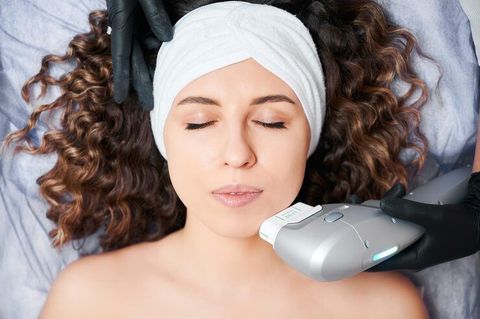
During treatment, the device delivers brief pulses of light to the selected areas. Some systems use cooling mechanisms to help protect the skin and improve comfort. The sensation may feel like a brief snap or a warm prick, although experiences differ.
Hair does not disappear completely during the session. Treated hairs may shed gradually over the following days or weeks, and additional sessions are usually needed because hair grows in cycles.
Importance
Facial hair laser sculpting can be relevant to people who want a more consistent facial hair outline or who experience irritation from frequent shaving. Repeated shaving can contribute to razor bumps and ingrown hairs in some individuals. Laser hair reduction may decrease these problems for certain people, although it does not eliminate every cause of skin irritation.
The procedure also requires careful consideration because facial hair patterns can change with age, hormones, and personal preferences. A defined beard line that suits someone today may not match their preferred appearance later. Since laser treatment can produce long-lasting reduction, treatment planning should account for the possibility that some hair may not return.
How Skin Types Affect Treatment
Skin tone and hair color influence how laser energy interacts with the skin. Traditional laser systems often work by targeting the pigment in hair, so dark, coarse hair may respond more readily than light-colored or fine hair.
Skin with more melanin can also absorb laser energy, increasing the importance of selecting suitable equipment and settings. Different laser wavelengths have different characteristics, and some are used specifically to reduce the risk of unwanted skin injury in darker skin tones.
| Skin or hair characteristic | General treatment consideration |
|---|---|
| Dark, coarse hair | Often responds more readily because it contains more pigment |
| Blonde, white, grey, or red hair | May respond poorly because of lower or different pigment characteristics |
| Lighter skin tone | Some laser systems can target dark hair with a relatively clear pigment contrast |
| Darker skin tone | Requires careful wavelength and setting selection to limit skin injury |
| Tanned or recently sun-exposed skin | May have an increased risk of burns or pigment changes |
| Sensitive or irritated skin | May require additional assessment before treatment |
Skin tone alone does not determine whether treatment is appropriate. A qualified practitioner considers the combination of skin pigmentation, hair characteristics, recent sun exposure, medication history, and the device being used.
Expected Results and Possible Side Effects
Laser hair reduction generally produces gradual changes over several sessions. Hair may grow back more slowly, appear finer, or become less dense in treated areas. The amount of reduction varies according to hair characteristics, hormonal influences, treatment settings, and individual response.
Possible short-term effects include redness, swelling around hair follicles, and temporary discomfort. Less common complications include burns, blistering, scarring, and changes in skin pigmentation. Eye injury is also a concern when appropriate protective measures are not used.
Results are not necessarily permanent in the sense of complete hair removal. Some follicles may continue producing hair, and maintenance sessions may be needed. Hormonal changes can also contribute to new or renewed facial hair growth.
Recent Updates
Developments in facial hair laser sculpting during 2024–2026 continue to reflect improvements in device controls, skin assessment, cooling systems, and treatment planning. The available equipment and clinical practices vary, and newer technology does not remove the need for careful assessment.
Laser Technology and Skin Assessment
Modern laser platforms may include adjustable pulse durations, energy settings, and cooling features. These options allow practitioners to adapt treatment parameters to different hair and skin characteristics. Device suitability depends on its design, approved use, and the practitioner's training.
Some clinics also use standardized photographs and digital records to document the treatment area and monitor changes over time. These records can help compare hair density and skin responses between sessions, but photographs alone cannot establish the safety or effectiveness of a treatment.
Personalization and Safety
Treatment planning increasingly emphasizes individual skin and hair assessment rather than using identical settings for everyone. This is particularly relevant for people with darker skin tones, a history of pigmentation changes, or recent tanning.
A test spot may be considered when clinically appropriate to observe the skin's response before treating a larger area. Follow-up assessment also helps identify irritation or unexpected pigmentation changes. There is no single treatment schedule or device setting that is suitable for every person.
Tools and Resources
Reliable educational resources can help readers understand laser procedures, compare treatment technologies, and learn about potential risks.
Skin and Hair Assessment Resources
Consultation records may include information about skin tone, hair color, previous treatments, medications, sun exposure, and the areas intended for reduction. These details help a practitioner determine whether laser treatment is suitable and which precautions may be relevant.
Useful reference sources include:
American Academy of Dermatology (AAD): Provides educational information about laser hair removal, preparation, expected outcomes, and potential side effects.
U.S. Food and Drug Administration (FDA): Publishes information about medical devices and regulatory considerations relevant to laser treatments.
Dermatology reference materials: Explain skin pigmentation, hair growth cycles, and conditions that may affect treatment response.
Treatment tracking records: Document session dates, device settings, treated areas, skin reactions, and observed changes.
Information from these sources supports general understanding, but it cannot replace an individual assessment by a qualified healthcare professional.
Questions to Consider During Consultation
Important topics include the practitioner's training, the type of laser being used, suitability for the person's skin tone, expected number of sessions, and possible complications. It is also useful to discuss how the proposed treatment pattern may affect future facial hair preferences.
FAQs
What is facial hair laser sculpting?
Facial hair laser sculpting uses laser energy to reduce hair in selected facial areas, helping create a defined beard line or reduce unwanted growth. It generally requires multiple sessions, and outcomes vary by individual.
Which skin types are suitable for facial hair laser sculpting?
Suitability depends on skin tone, hair color, the laser wavelength, and the treatment settings. Different systems can accommodate different skin types, but careful assessment is important to reduce the risk of burns and pigmentation changes.
How many sessions are needed for facial laser hair reduction?
Several sessions are usually needed because hair follicles respond differently depending on their growth stage. The number of sessions varies with the treatment area, hair density, hormonal factors, and individual response.
Is facial hair laser sculpting permanent?
Laser treatment can produce long-lasting hair reduction, but complete permanent removal is not assured. Some hairs may remain or regrow, and maintenance treatments may be needed.
What are the possible side effects of facial laser hair removal?
Temporary redness, swelling, and discomfort are common short-term effects. Burns, blisters, scarring, pigmentation changes, and eye injury are possible complications, particularly when treatment or protective measures are inappropriate.
Conclusion
Facial hair laser sculpting uses targeted laser energy to reduce hair and shape selected facial areas. Treatment response depends on hair pigment, skin tone, device selection, growth cycles, and individual characteristics. Multiple sessions are generally required, and results may include long-lasting reduction rather than complete removal. Careful assessment and appropriate safety measures are important considerations throughout the process.

Related Post...
Lip Pigmentation Treatment: Tips for Understanding Causes and Prevention
Updated: October 17, 2026
Read More
Natural Hair Growth Tips: Learn About Everyday Hair Care Practices
Updated: October 19, 2026
Read More
HIV Isolation Basics: Understanding Infection Control and Everyday Interactions
Updated: October 23, 2026
Read More