High Speed Machinery: An Overview of Modern Industrial Equipment
High speed machinery refers to industrial equipment designed to perform operations at relatively high operating rates while maintaining controlled movement, timing, and accuracy.
High speed industrial machinery is used in manufacturing, packaging, material processing, printing, textiles, electronics, food production, and other industrial activities where production involves repeated mechanical or automated movements.
The development of high speed machinery is closely connected with advances in mechanical engineering, electric motors, electronic controls, sensors, and computer-based automation. Earlier industrial machines relied more heavily on mechanical controls and fixed operating sequences. Modern equipment can combine mechanical components with programmable controllers, sensors, software, and automated monitoring.
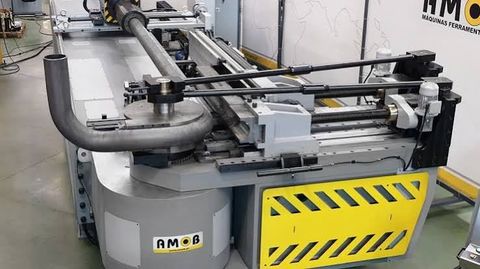
High speed manufacturing machinery may perform tasks such as cutting, forming, machining, filling, assembling, packaging, or material handling. The actual operating speed depends on the machine design, material being processed, required accuracy, operating conditions, and safety requirements.
Main Components of High Speed Equipment
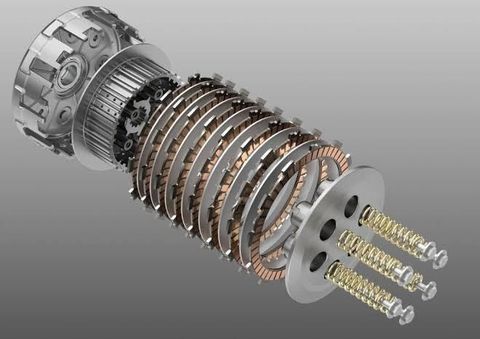
A high speed machine system normally contains several interconnected components. Motors and drives provide movement, while mechanical assemblies transfer that movement to tools, rollers, belts, spindles, or other working parts.
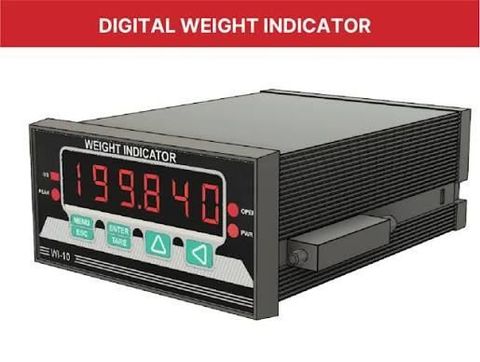
Sensors can monitor position, temperature, pressure, vibration, or other operating conditions. Controllers process information from these components and coordinate machine actions according to programmed instructions.
High speed automated machinery may also include human-machine interfaces that allow operators to view operating information and adjust permitted settings. Communication networks can connect individual machines with wider production systems.
Where High Speed Machinery Is Used
High speed production equipment appears in many industrial environments. Examples include:
- High speed processing machinery for continuous material operations.
- High speed manufacturing equipment for repetitive production tasks.
- Industrial high speed machines used for machining, forming, and assembly.
- High speed automation equipment used to coordinate production activities.
- High speed automated production systems that connect several stages of a manufacturing process.
The meaning of “high speed” varies between industries because different materials, processes, and machine designs have different operating requirements.
Importance
High speed machinery matters because many industries process large quantities of materials through repeated operations. The ability to perform these operations at controlled rates can influence production schedules, material handling, equipment coordination, and the overall design of manufacturing processes.
For everyday consumers, these systems can affect how products such as packaged foods, household items, electronics, textiles, and industrial components are manufactured. The equipment itself is generally part of a larger production system rather than an isolated machine.
Balancing Speed and Precision
Increasing operating speed does not automatically produce a better manufacturing process. Precision high speed machinery must coordinate movement accurately so that tools, materials, and components remain synchronized.
At higher operating rates, small mechanical or control errors can occur more frequently or become more significant. Machine designers therefore consider factors such as vibration, acceleration, alignment, heat generation, material behavior, and control response.
Supporting Consistent Production
High speed production machinery can perform repeated actions according to programmed sequences. This can reduce variation caused by differences in manual timing for tasks that are highly repetitive and structured.
However, production consistency depends on many factors. Material quality, machine condition, calibration, maintenance practices, operating parameters, and environmental conditions can all influence results.
Key Considerations
When evaluating high speed industrial equipment, several technical factors are relevant:
- Operating speed and the range of permitted speeds.
- Accuracy and repeatability of machine movements.
- Material characteristics and processing requirements.
- Motor, drive, and control-system capabilities.
- Safety controls and protective mechanisms.
- Maintenance and inspection requirements.
- Integration with other production equipment.
These factors help determine whether a particular machine design is appropriate for a specific process.
Recent Updates
From 2024 through 2026, developments in high speed machinery have increasingly focused on digital controls, connected equipment, machine monitoring, energy management, and flexible automation. The broader direction is toward equipment that can exchange information with other machines and production systems.
Digital Control and Monitoring
Modern high speed industrial machines increasingly use electronic drives, programmable controllers, sensors, and digital interfaces. These technologies can provide information about operating conditions and allow machine parameters to be managed through control systems.
Monitoring can include measurements such as motor load, temperature, vibration, speed, and operating cycles. Depending on the equipment, this information can help identify unusual operating conditions or support maintenance planning.
Automation and Connected Production
High speed industrial automation systems can coordinate multiple machines or production stages. Communication between machines can help synchronize material movement, production timing, inspection, and packaging activities.
High speed manufacturing systems may also connect machine-level controls with broader production-management software. This creates a more connected environment in which production information can move between equipment and supervisory systems.
Greater Focus on Efficiency and Flexibility
Current machine development also reflects demand for equipment that can handle different production requirements. Advanced high speed machinery may incorporate programmable settings, automated adjustments, modular components, or digital interfaces that support changes between production tasks.
Energy management is another area of attention. Motors, drives, heating systems, compressed air equipment, and other components can contribute to overall industrial energy use. Machine designers therefore consider energy consumption alongside operating speed and production requirements.
| Equipment Area | Common Function | Examples of Relevant Features |
|---|---|---|
| Motion systems | Move tools or materials | Motors, drives, linear systems |
| Control systems | Coordinate machine actions | PLCs, controllers, software |
| Sensors | Monitor conditions | Position, temperature, vibration |
| Material handling | Move production materials | Conveyors, rollers, feeders |
| Inspection | Check process results | Cameras, measurement systems |
| Operator interface | Display and adjust settings | Touchscreens, control panels |
Tools and Resources
Several tools and resources can help people understand, select, operate, or analyze high speed equipment. The appropriate resource depends on the machinery and manufacturing process.
Engineering and Calculation Tools
Engineering calculators can be used to examine concepts such as rotational speed, linear speed, acceleration, power, torque, and production rates. These calculations can help explain how machine components behave under different operating conditions.
Manufacturing documentation and technical drawings can provide information about machine dimensions, operating ranges, component relationships, and control arrangements.
Monitoring and Analysis Tools
Industrial monitoring platforms can collect information from sensors and controllers. Depending on the system, these platforms may display machine speed, operating cycles, temperature, vibration, energy data, or equipment status.
Data analysis tools can also help examine production records and identify patterns. The accuracy of any analysis depends on the quality and context of the collected information.
Educational Resources
Technical standards, equipment manuals, engineering textbooks, manufacturer documentation, and industrial training materials can provide background information about high speed machine systems.
Simulation and digital modeling tools can also be used to study machine movement, production sequences, or system behavior before changes are introduced into physical equipment.
FAQs
What is high speed machinery?
High speed machinery is industrial equipment designed to perform mechanical or automated operations at relatively high operating rates. Its actual speed depends on the machine design, material, process, and required accuracy.
Where is high speed industrial machinery used?
High speed industrial machinery is used in areas such as manufacturing, packaging, machining, printing, textiles, electronics, material processing, and automated assembly.
What is high speed automated machinery?
High speed automated machinery combines rapid machine movement with automatic controls. Sensors, controllers, drives, and software can coordinate repeated operations according to programmed instructions.
How does precision high speed machinery maintain accuracy?
Precision high speed machinery uses coordinated mechanical components, motion controls, sensors, drives, and programmed parameters. Mechanical stability, calibration, material characteristics, and operating conditions also affect accuracy.
What are high speed manufacturing systems?
High speed manufacturing systems are connected production arrangements that use multiple machines, controls, material-handling components, and monitoring technologies to carry out manufacturing processes at controlled operating rates.
Conclusion
High speed machinery combines mechanical systems, motors, controls, sensors, and automation technologies to perform repeated industrial operations at controlled rates. Its applications range from machining and material processing to packaging, assembly, and connected manufacturing systems. Recent developments have increased the use of digital monitoring, automated control, connected equipment, and flexible machine configurations. Understanding operating speed, precision, material behavior, safety, control systems, and maintenance provides useful context for understanding modern industrial equipment.

Related Post...
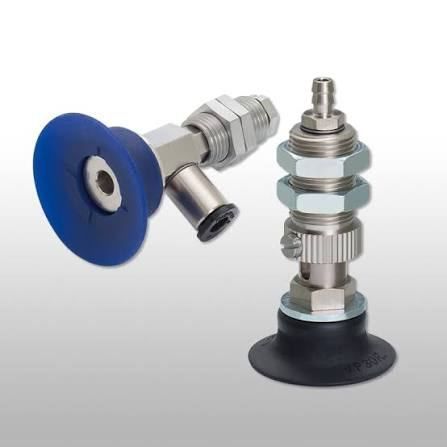
Vacuum Pads Guide: Types, Materials, and Industrial Applications
Updated: October 19, 2026
Read More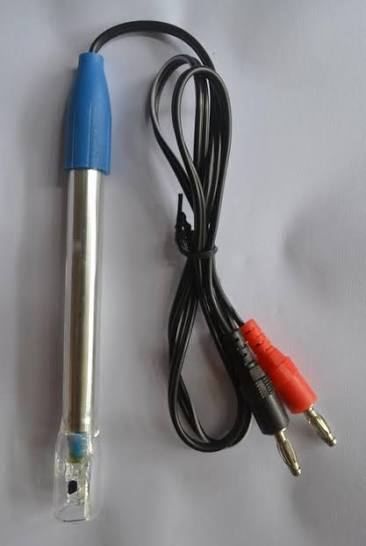
Conductivity Electrodes Guide: Understanding Measurement Principles and Applications
Updated: October 19, 2026
Read More