Industrial Feeding Systems: A Guide to Modern Material Handling Methods
Industrial feeding systems are technologies used to move, orient, separate, and deliver materials or components to specific points within a production process.
They can handle items such as parts, fasteners, containers, packaged goods, raw materials, and components. Depending on the application, feeding can be performed manually, mechanically, electronically, pneumatically, or through combinations of these methods.
The development of industrial feeding equipment is closely connected with the growth of mechanized manufacturing. As production processes became more organized, manufacturers needed consistent ways to move materials between different stages. Automated feeding systems emerged to reduce repetitive handling and create a controlled flow of materials toward machines, assembly stations, inspection points, and packaging areas.
Today, an industrial feeding system can contain several components working together. These may include hoppers, conveyors, feeders, sensors, controllers, robotic devices, and software. The configuration depends on the material characteristics, required feeding rate, production sequence, available space, and level of precision.
How Industrial Feeding Systems Work
A basic feeding process begins with a supply of material stored in a hopper, bin, tray, or other container. The feeding mechanism then moves selected items toward a designated location.
Sensors and control systems can monitor the movement of materials and coordinate feeding with other equipment. In a more complex arrangement, multiple devices communicate with one another so that material movement corresponds with machine cycles.
Common Types of Feeding Equipment
Different materials require different feeding methods. Common categories include:
- Vibratory feeding systems for orienting and moving small components.
- Conveyor-based systems for continuous material movement.
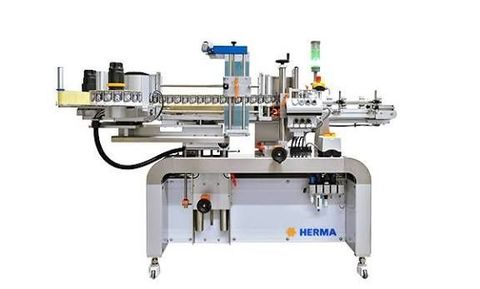
- Automatic feeding machines for repetitive loading activities.
- Robotic feeding systems for flexible handling and positioning.
- Pneumatic feeding equipment for suitable lightweight or specialized components.
- Precision feeding systems for applications where controlled positioning is important.
The choice of equipment depends on factors such as item size, shape, weight, surface characteristics, feeding rate, orientation requirements, and production environment.
Importance
Industrial feeding systems are important because material movement is a fundamental part of manufacturing and processing. Even when a production machine performs a complex operation, it still requires materials to arrive at an appropriate location and time.
For workers, automated material feeding systems can change the nature of repetitive handling activities. For production operations, controlled feeding can help coordinate machines and material flow. These systems are also relevant to industries that handle large quantities of standardized components.
Reducing Repetitive Material Movement
Manual movement of individual parts can involve repeated lifting, sorting, positioning, and transferring. Automated parts feeding equipment can perform some of these repetitive activities according to programmed instructions.
The objective is not simply to increase movement speed. A feeding system must also maintain appropriate orientation and spacing so that downstream equipment can process the material correctly.
Supporting Production Coordination
Industrial material handling equipment often works alongside production machines. A feeder may release a component only when a machine is ready to receive it, while sensors can detect whether material is present.
This coordination can be particularly important in automated manufacturing feeding systems. If feeding is irregular, downstream equipment may experience interruptions or receive components in an unsuitable position.
Accuracy and Material Control
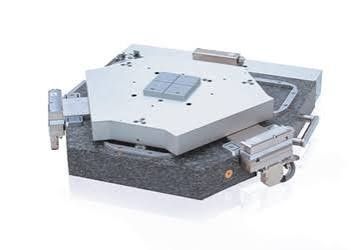
Precision automated feeding equipment is designed for applications where consistent positioning or controlled quantities are important. Examples can include small mechanical components, electronic parts, packaging components, and assembly items.
High precision industrial feeding systems may use sensors, programmable controls, cameras, or mechanical guides to regulate the movement of materials. The appropriate level of precision depends on the requirements of the process.
Comparison of Feeding Methods
| Feeding Method | Typical Material | Main Function | Common Consideration |
|---|---|---|---|
| Vibratory feeder | Small parts | Orienting and transferring | Part shape and surface |
| Conveyor feeder | Boxes, components, products | Continuous movement | Space and material flow |
| Robotic feeder | Varied components | Flexible positioning | Programming and integration |
| Pneumatic feeder | Suitable lightweight parts | Controlled movement | Air requirements |
| Hopper feeder | Bulk materials | Regulated supply | Material consistency |
| Precision feeder | Small or sensitive components | Controlled placement | Accuracy requirements |
Recent Updates
From 2024 through 2026, industrial feeding technology has continued to develop alongside robotics, machine vision, sensors, and digital manufacturing platforms. The broader direction has been toward greater integration between feeding equipment and other production systems.
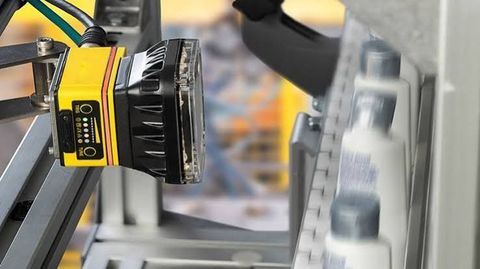
One important development is the increased use of sensors and vision technologies. These technologies can help identify the position, orientation, or presence of components before they enter another production stage.
Robotics and Flexible Feeding
Robotic feeding systems are increasingly associated with production environments that handle multiple component types or changing production sequences. Robots can use cameras and sensors to identify objects and position them according to programmed requirements.
Unlike a fixed mechanical feeder, a robotic arrangement can potentially be reconfigured for different tasks. However, the complexity of the materials and the required handling accuracy affect whether robotic feeding is appropriate.
High-Speed Material Movement
High speed feeding systems are designed for processes where materials need to move rapidly between operations. Increasing feeding speed requires coordination between the feeder, sensors, machine controls, and downstream equipment.
Speed alone does not determine system performance. Consistent spacing, orientation, synchronization, and safe operation are also important considerations.
Digital Monitoring and Integration
Advanced industrial feeding equipment increasingly incorporates electronic controls and communication interfaces. These systems can provide information about material flow, equipment status, faults, and operating conditions.
Integrated automated feeding systems can connect feeders with conveyors, robots, inspection devices, and production machinery. Such integration can provide a more coordinated material flow across several stages.
Artificial Intelligence and Adaptive Handling
AI-based technologies are also being explored for material identification, visual inspection, and adaptive robotic handling. In some applications, machine vision can distinguish between different objects or detect their orientation.
AI process capabilities can introduce additional flexibility, but they also require appropriate data, validation, system controls, and human oversight. The practical application depends on the material and operating environment.
Tools and Resources
Several tools and resources can help users understand, plan, or evaluate industrial feeding equipment. The appropriate resource depends on whether the objective is process mapping, equipment selection, system design, or performance analysis.
Planning and Process Mapping Tools
Process diagrams can show how materials move from storage through feeding, production, inspection, and packaging. Flowcharts and facility-layout templates can help identify where feeders, conveyors, robots, and collection points may be positioned.
Useful planning resources include:
- Material-flow diagrams for documenting movement between process stages.
- Equipment-layout templates for arranging feeders and connected machines.
- Part specification sheets for recording size, shape, weight, and orientation.
- Process checklists for identifying feeding requirements.
- Maintenance records for tracking equipment conditions and recurring issues.
Industrial Automation Resources
Technical documentation from equipment manufacturers, automation organizations, and standards bodies can provide information about controllers, sensors, conveyors, robotic equipment, and machine interfaces.
Training materials related to programmable logic controllers, robotics, machine vision, and industrial communication can also help explain how automated feeding systems interact with broader industrial automation environments.
Measurement and Evaluation Tools
Basic measurements can help describe a feeding process. For example, throughput can be represented as the number of correctly delivered items over a defined period. Feeding accuracy, rejection frequency, interruption frequency, and material orientation can also be monitored where relevant.
Digital monitoring platforms may collect these measurements automatically. However, measurements should be interpreted according to the specific process rather than treated as universal indicators.
FAQs
What are industrial feeding systems?
Industrial feeding systems are equipment arrangements that move, separate, orient, and deliver materials or components within a production process. They may use mechanical, vibratory, pneumatic, conveyor, robotic, or electronic technologies.
How do automated feeding systems work?
Automated feeding systems generally receive material from a storage point and move it toward a designated machine or process stage. Sensors and controllers can coordinate the movement based on machine status, material presence, and programmed operating conditions.
What are vibratory feeding systems used for?
Vibratory feeding systems are commonly used to move and orient relatively small components. Vibration causes parts to move along a controlled surface, while guides or tooling can help arrange them into a required orientation.
When are robotic feeding systems used?
Robotic feeding systems can be used when materials need flexible handling, positioning, sorting, or orientation. They may incorporate cameras, sensors, and programmed movements to handle different objects or production sequences.
What factors affect industrial feeding equipment selection?
Important factors include material size, shape, weight, surface properties, required feeding rate, orientation, accuracy, production sequence, available space, and integration requirements. Environmental conditions and maintenance requirements can also influence system design.
Conclusion
Industrial feeding systems provide controlled methods for moving and positioning materials throughout manufacturing and other industrial processes. Technologies range from vibratory feeding systems and conveyors to robotic feeding systems and precision automated feeding equipment. Recent developments have increased the use of sensors, machine vision, robotics, digital monitoring, and integrated controls. The appropriate feeding approach depends on material characteristics, process requirements, equipment integration, and the level of control needed.

Related Post...
Thermal Barrier Coatings Guide to Heat Protection and Surface Performance
Updated: October 08, 2026
Read More
Precision Dosing Equipment: An Overview of Accurate Material Measurement
Updated: October 08, 2026
Read More
Industrial Packaging Equipment: An Overview of Modern Packaging Systems
Updated: October 08, 2026
Read More