Precision Dosing Equipment: An Overview of Accurate Material Measurement
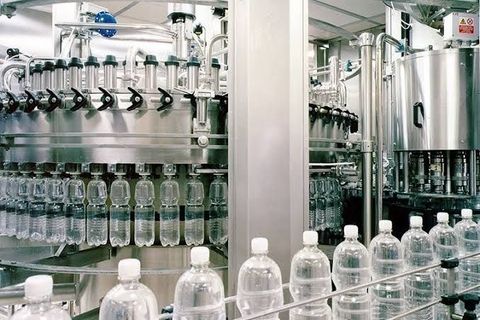
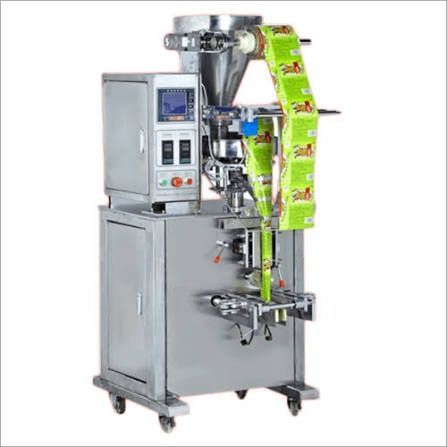
Precision dosing equipment refers to machines and systems designed to measure and introduce controlled quantities of a material into a process.
Depending on the application, the material may be a liquid, powder, chemical solution, ingredient, or other process substance. Precision dosing systems are used when consistent measurement is important for maintaining a defined process condition or formulation.
The basic concept of dosing has existed for many years, from manually measured ingredients to mechanical metering devices. As industrial processes became more automated, equipment such as pumps, valves, flow meters, weighing devices, sensors, and electronic controllers became connected to create industrial dosing equipment.
Today, precision dosing can be found in manufacturing, water treatment, food processing, chemical processing, agriculture, and pharmaceutical production. Industrial dosing systems can range from relatively simple pump arrangements to interconnected systems that monitor flow and adjust material delivery according to programmed instructions.
How Precision Dosing Works
A dosing process generally begins with a material reservoir or supply point. A pump, feeder, or other metering mechanism then moves a defined quantity toward the process.
Sensors can measure factors such as flow rate, pressure, weight, or tank level. A controller can use this information to regulate the dosing mechanism according to predefined parameters.
Chemical dosing equipment is commonly designed around the properties of the material being handled. Viscosity, concentration, temperature, corrosiveness, particle content, and required flow rate can all affect equipment selection and operating conditions.
Main Components
A typical system may contain several connected elements:
- A storage tank or material container for holding the substance.
- A metering device that controls the quantity being introduced.
- Sensors that monitor relevant process conditions.
- Valves and piping that direct material through the system.
- A controller that manages programmed dosing parameters.
- A display or monitoring interface for observing operation.
Industrial metering pump systems are particularly common where liquids need to be introduced at a controlled rate. Different pump designs are suited to different flow characteristics and operating conditions.
Importance
Accurate material measurement matters because small changes in the amount of an input can affect the behavior of a larger process. This is relevant in industrial production as well as applications where consistent formulations or controlled chemical concentrations are required.
Precision dosing equipment can help reduce variation caused by repeated manual measurement. Automated dosing equipment can also coordinate dosing with other process stages, reducing the need for operators to repeatedly initiate individual dosing steps.
Applications Across Industries
Precision chemical dosing systems are used in processes where controlled quantities of chemical substances need to be introduced. Examples include water treatment, industrial cleaning processes, chemical manufacturing, and certain production operations.
Pharmaceutical dosing equipment is used in regulated manufacturing environments where materials must be measured according to defined production procedures. Pharmaceutical applications can involve liquid or solid materials and may require detailed documentation and process controls.
Liquid dosing systems are also used in food, beverage, cosmetics, agriculture, and other manufacturing environments. The equipment design depends on the characteristics of the liquid and the requirements of the particular process.
Accuracy, Repeatability, and Control
Accuracy describes how closely a measured quantity corresponds to the intended quantity. Repeatability refers to how consistently a system produces similar measurements when operating under the same conditions.
High accuracy dosing systems generally combine suitable metering equipment with measurement and control mechanisms. However, actual performance depends on factors such as calibration, material properties, equipment condition, temperature, pressure, and operating procedures.
Manual and Automated Dosing
Manual dosing requires an operator to measure and introduce material during each process cycle. This approach can be appropriate for smaller or less repetitive processes, but repeated measurements can introduce variation.
Automatic dosing systems use programmed controls to coordinate material delivery. Automated chemical dosing equipment can integrate pumps, sensors, controllers, and valves so that dosing occurs according to defined process conditions.
| Dosing Approach | Typical Control Method | Common Application |
|---|---|---|
| Manual dosing | Operator measurement | Small or occasional processes |
| Pump-based dosing | Flow or volume control | Liquid chemicals |
| Weight-based dosing | Load cells or scales | Powders and bulk materials |
| Flow-controlled dosing | Flow meter and controller | Continuous liquid processes |
| Automated dosing | Controller and sensors | Repetitive industrial processes |
Recent Updates
Between 2024 and 2026, the general direction of dosing technology has involved greater use of digital monitoring, connected sensors, automation, and data collection. Manufacturers and process operators have increasingly looked at ways to connect dosing equipment with broader control and production systems.
Advanced precision dosing systems may include electronic controllers that record operating information and communicate with other process equipment. This can make it easier to monitor dosing activity and identify changes in operating conditions.
Greater Use of Automation
Automated pharmaceutical dosing systems and other automated dosing platforms increasingly combine measurement devices with programmable controls. Instead of relying only on a fixed pump speed, a system may use sensor information to adjust dosing according to predefined process conditions.
Automation can also coordinate several dosing points within one production process. Such arrangements are particularly relevant where multiple materials must be introduced in a particular sequence or at specified rates.
Digital Monitoring and Data
Modern precision metering equipment can incorporate digital displays, electronic sensors, and communication interfaces. These features can provide information about flow, pressure, tank levels, operating status, or alarms.
Data collection can also support process records and maintenance planning. However, digital monitoring does not automatically establish measurement accuracy; calibration and appropriate system configuration remain important.
Materials and Equipment Compatibility
Recent system development also continues to address material compatibility. Equipment that handles aggressive chemicals may require specific materials for wetted components, seals, tubing, valves, and pump parts.
High precision liquid dosing equipment may likewise be designed around viscosity, temperature, flow range, and pressure requirements. Selecting components based on the material and process conditions is therefore an important part of system design.
Tools and Resources
Several tools can help users understand, configure, monitor, and document dosing processes. The appropriate resource depends on whether the application involves liquid, powder, chemical, pharmaceutical, or general industrial materials.
Measurement and Calculation Tools
Dosing calculations commonly involve flow rate, volume, concentration, density, and operating time. Basic calculators and spreadsheet templates can help document these relationships.
For example, a simple liquid dosing calculation can relate the required volume to the intended dosing period:
Dosing rate = Required volume ÷ Dosing time
For applications involving concentration, additional information such as material strength and dilution ratio may be required. Industrial calculations should account for the actual process specifications rather than relying on a generic formula alone.
Documentation and Standards Resources
Equipment manuals, technical datasheets, process diagrams, calibration records, and maintenance logs can provide useful information when studying dosing systems. Engineering documentation can also describe flow ranges, pressure limits, compatible materials, and operating requirements.
Standards organizations and regulatory authorities publish technical and manufacturing guidance relevant to different industries. Pharmaceutical applications may involve additional requirements for documentation, validation, traceability, and controlled production environments.
Monitoring and Control Platforms
Industrial dosing systems can be connected to programmable controllers, supervisory systems, or manufacturing software. These platforms may collect information from sensors and provide operators with a centralized view of process conditions.
Process simulation and spreadsheet tools can also help users examine dosing relationships before changes are made to physical equipment. The level of digital integration varies considerably between applications.
FAQs
What is precision dosing equipment?
Precision dosing equipment measures and introduces controlled quantities of materials into a process. It can use pumps, feeders, valves, sensors, weighing devices, and controllers depending on the application.
How do precision dosing systems improve measurement control?
Precision dosing systems use metering mechanisms and, in many cases, sensors or controllers to regulate material delivery. Their ability to maintain a defined quantity depends on equipment design, calibration, material properties, and operating conditions.
What are industrial dosing systems used for?
Industrial dosing systems are used to introduce controlled amounts of liquids, chemicals, powders, or other materials into manufacturing and processing operations. Applications include chemical processing, water treatment, food production, and other industrial activities.
What is the difference between chemical dosing equipment and pharmaceutical dosing equipment?
Chemical dosing equipment is generally designed around the characteristics and handling requirements of industrial chemicals. Pharmaceutical dosing equipment operates within manufacturing environments that may have additional requirements for measurement control, documentation, hygiene, and process validation.
What factors affect dosing accuracy?
Factors can include pump or feeder design, calibration, flow rate, pressure, temperature, material viscosity, density, equipment wear, and sensor performance. Proper system configuration is important when a process requires controlled measurement.
Conclusion
Precision dosing equipment is used to measure and introduce controlled quantities of materials across industrial and manufacturing processes. Precision dosing systems can range from manually controlled equipment to automated platforms incorporating pumps, sensors, controllers, and digital monitoring. Recent developments have increased the use of connected measurement, automation, and data collection in industrial dosing applications. Understanding material characteristics, measurement methods, calibration, and process requirements provides useful context for understanding how modern dosing systems operate.

Related Post...
Product Identification Systems: An Overview of Modern Identification Methods
Updated: October 24, 2026
Read More
Electromagnetic Positioning System: An Overview of Modern Positioning Technology
Updated: October 24, 2026
Read More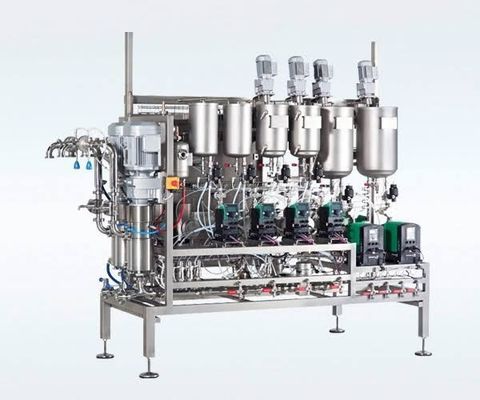
Precision Dosing Equipment: An Overview of Accurate Material Measurement
Updated: October 24, 2026
Read More