Industrial Packaging Equipment: An Overview of Modern Packaging Systems
Industrial packaging equipment refers to machinery and systems used to prepare, fill, close, wrap, label, and organize products for storage, transportation, or distribution.
These systems are used across manufacturing, food processing, consumer goods, chemicals, pharmaceuticals, and other industries where products need consistent packaging. Industrial packaging machines can perform individual tasks or work together as part of a connected production line.
Packaging developed from manual methods in which workers measured, filled, sealed, and wrapped products individually. As production volumes increased, mechanical equipment was introduced to handle repetitive activities. Modern industrial packaging machinery combines mechanical components, electronic controls, sensors, software, and material-handling systems to coordinate multiple packaging stages.
Main Functions of Packaging Systems
Industrial packing equipment can perform several functions depending on the product and package design. Common activities include filling containers, forming packages, closing containers, applying labels, wrapping products, and preparing packaged items for movement.
Some systems are designed for one specific operation, while others connect several machines. Packaging automation systems can coordinate these stages so that products move between processes with limited manual handling.
Typical packaging activities include:
- Filling containers with measured quantities.
- Sealing bottles, boxes, pouches, or bags.
- Wrapping individual products or grouped packages.
- Applying labels and printed information.
- Inspecting packages for selected characteristics.
- Moving products between packaging stages.
Types of Industrial Packaging Equipment
Automated packaging equipment varies according to the product, package format, production volume, and required handling method. Automatic packaging machines may use conveyors, mechanical arms, filling mechanisms, weighing systems, sensors, or programmable controls.
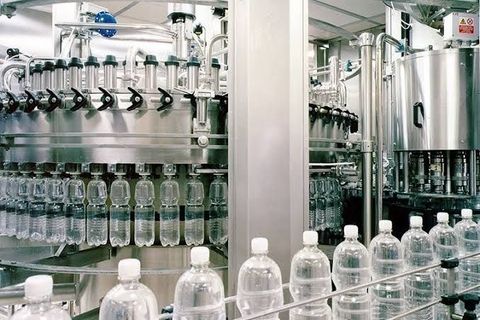
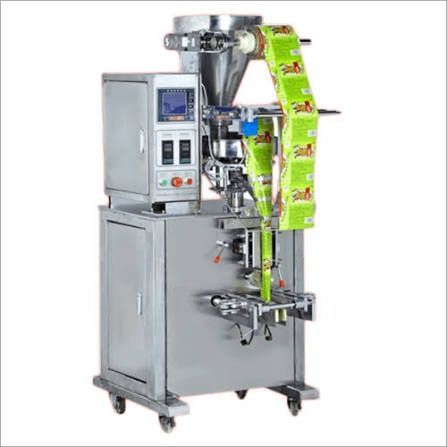
Industrial filling and packaging equipment is commonly used when products need measured quantities placed into containers before sealing. Industrial wrapping machines can apply film or other packaging materials around individual items or groups of products. Automatic bagging equipment is designed for applications involving bags or flexible packaging formats.
Pharmaceutical packaging equipment is another specialized category. Such equipment is designed around controlled packaging environments and specific requirements for identification, handling, and traceability.
Importance
Packaging affects how products are protected, identified, stored, transported, and presented throughout a supply chain. Industrial packaging equipment helps organizations handle repeated packaging tasks in a structured way, particularly when large quantities must pass through several stages.
For consumers, packaging systems influence familiar activities such as opening containers, reading product information, and receiving packaged goods. For manufacturers and distributors, packaging also involves material use, production scheduling, product handling, and quality checks.
Supporting Consistent Packaging Processes
Manual packaging can involve repeated measuring, sealing, labeling, or wrapping activities. Automated packaging systems can coordinate these activities according to defined operating parameters.
Consistency is particularly relevant when products must follow specified package dimensions, fill quantities, labeling requirements, or sealing procedures. The exact level of automation depends on the product and the process being used.
Connecting Different Production Stages
Packaging line automation can connect filling, sealing, labeling, inspection, and material movement into a coordinated sequence. A conveyor may move products from one stage to another while sensors detect their position and control signals coordinate machine actions.
This arrangement can reduce unnecessary movement between individual process stages. It can also provide operators with information about equipment status and production activity.
Capacity, Materials, and Product Characteristics
Packaging equipment needs to correspond with the physical characteristics of the product and packaging material. Liquids, powders, granules, solid products, fragile items, and irregularly shaped products can require different handling mechanisms.
High capacity packaging machinery may be designed for applications involving substantial product volumes, while smaller systems may handle lower or more variable production requirements. High speed packaging machines also require appropriate product feeding, material handling, controls, and inspection arrangements to maintain coordinated operation.
| Packaging Stage | Common Equipment | Primary Function |
|---|---|---|
| Product feeding | Conveyors and feeders | Move products into position |
| Filling | Filling machines | Place measured material into containers |
| Bagging | Automatic bagging equipment | Place products into bags |
| Sealing | Heat or mechanical sealers | Close packaging |
| Wrapping | Industrial wrapping machines | Apply protective wrapping |
| Labeling | Labeling machines | Apply identification information |
| Inspection | Sensors and inspection systems | Check selected package characteristics |
| Palletizing | Robotic or mechanical systems | Arrange packaged products |
Recent Updates
From 2024 through 2026, packaging technology has continued moving toward greater automation, connectivity, data collection, and flexibility. Manufacturers are increasingly combining conventional machinery with digital controls, sensors, machine vision, robotics, and software platforms.
Greater Use of Automation and Robotics
Advanced industrial packaging systems increasingly incorporate robotic handling for activities such as product placement, case packing, palletizing, and material movement. Robotics can be programmed for repeated movements and can be integrated with sensors and control systems.
Automated packaging production lines can also coordinate several machines through centralized control systems. This allows information about different stages to be monitored within a connected production environment.
Digital Monitoring and Data Collection
Packaging machinery is increasingly connected to digital monitoring systems that collect information about equipment status, production activity, and process conditions. Operators may use dashboards to observe machine states and identify events that require attention.
Advanced packaging automation equipment can also connect with manufacturing software and data platforms. Integration can help organizations organize production information across packaging and other manufacturing stages.
Flexible Packaging Formats
Packaging operations are also adapting to changes in package sizes, materials, and product formats. Equipment may need adjustable settings to handle different container dimensions or packaging materials.
This has increased interest in systems designed for controlled changeovers and configurable production processes. The appropriate configuration still depends on the characteristics of the products and materials involved.
Focus on Resource Use
Packaging systems are also being examined in relation to material consumption, energy use, and waste generation. Equipment designers may incorporate more precise material control, improved process monitoring, and packaging formats that use different material structures.
These developments do not eliminate packaging waste or environmental impacts. Instead, they provide additional technical methods for monitoring and managing specific parts of the packaging process.
Tools and Resources
Several tools and resources can help users understand, plan, or analyze packaging operations. The appropriate resource depends on whether the focus is equipment selection, workflow design, material planning, or process monitoring.
Packaging Planning Resources
Process maps and line-layout templates can show how products move from filling through final packaging. These documents can help explain relationships between machines, conveyors, inspection points, and operators.
Useful planning resources include:
- Packaging line layout templates for mapping equipment positions.
- Packaging material calculators for estimating material quantities.
- Production-capacity worksheets for comparing planned output with operating requirements.
- Equipment manuals for understanding operating parameters.
- Maintenance checklists for documenting inspection activities.
Digital and Automation Resources
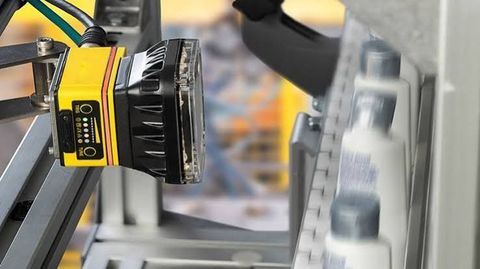
Industrial packaging machinery may use programmable logic controllers, human-machine interfaces, sensors, barcode readers, vision systems, and manufacturing data platforms. These technologies can provide information about machine status and process activity.
Packaging automation systems may also connect with manufacturing execution platforms or enterprise software. Such integration can allow production information to move between different operational systems.
Standards and Technical Information
Packaging operations can involve industry standards covering areas such as machine safety, electrical systems, labeling, packaging materials, and product handling. Government agencies, standards organizations, technical institutions, and equipment documentation can provide background information about applicable requirements.
The relevant requirements vary according to the industry, product, location, and packaging process.
FAQs
What is industrial packaging equipment?
Industrial packaging equipment is machinery used to perform packaging activities such as filling, sealing, wrapping, labeling, bagging, and product handling. Individual machines can operate separately or as part of an integrated production line.
How do industrial packaging machines work?
Industrial packaging machines use mechanical systems, sensors, controls, and programmed instructions to perform defined packaging tasks. The operating method depends on the product, package format, materials, and production process.
What are automated packaging systems?
Automated packaging systems connect equipment and controls to coordinate multiple packaging activities. They may include filling, sealing, labeling, inspection, conveying, case packing, and palletizing equipment.
What is industrial filling and packaging equipment used for?
Industrial filling and packaging equipment is used to place measured quantities of products into containers or packages and then prepare those packages for subsequent stages. Different filling mechanisms are used for liquids, powders, granules, and other product types.
What is packaging line automation?
Packaging line automation refers to the use of connected machines, sensors, controls, and software to coordinate packaging operations. It can link individual stages so products move through a defined sequence with automated control.
Conclusion
Industrial packaging equipment combines machinery, controls, sensors, and software to handle structured packaging activities across many industries. Modern industrial packaging machines range from individual filling and wrapping units to complete industrial packaging production systems that connect several stages. Recent developments have emphasized automation, robotics, digital monitoring, flexible formats, and improved process data. The design of any packaging system depends on the product, packaging material, production requirements, operating environment, and applicable technical requirements.

Related Post...
Industrial Metering Equipment: An Overview of Measurement Systems
Updated: October 24, 2026
Read More
Precision Dosing Equipment: An Overview of Accurate Material Measurement
Updated: October 24, 2026
Read More
Electromagnetic Positioning System: An Overview of Modern Positioning Technology
Updated: October 24, 2026
Read More