Automated Production Systems: An Overview of Modern Manufacturing Methods
Automated production systems use machines, software, sensors, robotics, and control technologies to carry out manufacturing activities with limited manual intervention.
These systems have developed from basic mechanical production equipment into connected environments that can coordinate machines, materials, data, and inspection activities. Today, automated production systems are found across industries such as automotive manufacturing, electronics, food processing, packaging, pharmaceuticals, and consumer goods.
The development of automation began with mechanical tools that helped workers perform repetitive activities. Electrical controls, programmable machines, and computer-based systems later introduced greater control over production processes. Modern industrial production systems combine these technologies with digital communication, robotics, data collection, and software.
Automated manufacturing systems can perform individual tasks or coordinate several stages of production. A basic arrangement may automate one machine, while a larger facility may connect material handling, assembly, inspection, packaging, and production monitoring into an integrated production automation system.
Main Components of Automated Production
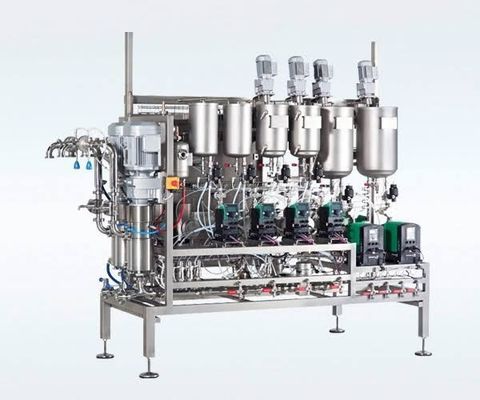
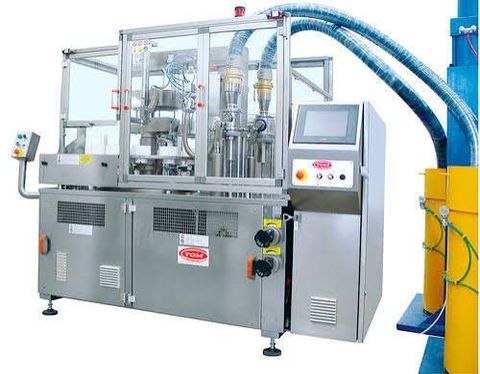
Automated production equipment can include machines, robotic arms, conveyors, sensors, programmable controllers, cameras, motors, and software. Each component has a specific role within the manufacturing process.
Sensors can detect conditions such as position, temperature, pressure, or movement. Controllers process information from these devices and send instructions to machines. Software can then monitor production activities, collect information, and provide operators with a view of system conditions.
Industrial automation equipment may also include human-machine interfaces that allow operators to review information or adjust selected operating parameters. The level of automation depends on the process, production requirements, equipment design, and degree of human involvement.
Types of Production Automation
Different manufacturing environments require different automation arrangements. Common categories include fixed, flexible, and programmable approaches.
Fixed automation is designed around repeated production activities, while flexible production systems can accommodate changes in products or production sequences. Programmable systems can be adjusted through software or control instructions when production requirements change.
| Automation Type | General Characteristics | Typical Application |
|---|---|---|
| Fixed automation | Repeated, structured operations | High-volume production |
| Programmable automation | Software-based process changes | Different production batches |
| Flexible production | Designed for product variation | Mixed-product manufacturing |
| Robotic automation | Uses programmable robots | Assembly, handling, inspection |
| Integrated automation | Connects several production stages | Connected manufacturing facilities |
Importance
Automated production systems affect how products are manufactured, inspected, moved, and packaged. They can also influence workplace activities because employees may increasingly interact with control systems, robotics, production software, and automated equipment rather than performing every repetitive physical task directly.
For everyday consumers, these systems are part of the infrastructure behind many products. Manufacturing automation equipment can help coordinate repeated processes and maintain consistent operating conditions, while industrial production equipment supports activities such as cutting, forming, molding, welding, filling, and packaging.
Managing Repetitive Manufacturing Tasks
Manufacturing often involves activities that must be repeated many times. Automated assembly systems can position components, apply materials, fasten parts, or move products between stages according to programmed instructions.
Robotic production systems are commonly used where movements are repetitive or require controlled positioning. Robots can also work alongside other machines and inspection systems within a production line.
Automation does not necessarily remove people from manufacturing environments. Workers may remain involved in equipment setup, quality checks, maintenance, process supervision, programming, and production planning.
Supporting Quality and Process Monitoring
Automated manufacturing equipment can collect information during production. Cameras and sensors may inspect dimensions, positions, surface conditions, or other measurable characteristics.
Industrial process automation can connect these measurements with machine controls and production records. When a system detects a predefined condition, it may trigger an alert, stop a process, redirect a product, or record the event for later review.
Improving Production Coordination
Large facilities may contain hundreds of individual activities. Automated factory systems can coordinate machines, conveyors, storage areas, inspection points, and production software.
Integrated systems can also connect production information with planning and inventory systems. This allows information to move between different stages rather than remaining isolated within individual machines.
Challenges of Automation
Automation also creates technical and organizational challenges. Equipment needs appropriate programming, maintenance, monitoring, and safety controls. Older machinery may also use communication methods that differ from newer digital systems.
Other considerations include cybersecurity, employee training, system compatibility, equipment downtime, data management, and the physical layout of production areas. These factors influence how an automation system operates in practice.
Recent Updates
Between 2024 and 2026, manufacturing automation has continued moving toward connected equipment, flexible production, robotics, artificial intelligence, and data-driven monitoring. The general direction has been toward systems that can coordinate physical machinery with digital information.
Robotics and Intelligent Manufacturing
Industrial robotics automation systems are increasingly being integrated with sensors, machine vision, and software. Instead of performing isolated movements, robots can participate in connected production sequences involving inspection, handling, assembly, and material movement.
Intelligent manufacturing production systems may also use data analysis to identify unusual machine conditions or changes in production patterns. These capabilities can support human decision-making, although automated analysis still depends on the quality and context of the available information.
AI in Production Environments
Artificial intelligence is becoming part of advanced production automation through applications such as visual inspection, production data analysis, predictive monitoring, and process optimization. AI systems can analyze large volumes of information and identify patterns that may be difficult to review manually.
AI does not replace conventional control systems in every application. In many environments, AI operates alongside established controllers, sensors, databases, and industrial software.
Greater Flexibility
Flexible production systems are receiving attention as manufacturers manage wider product variations and changing production requirements. Modular machines, programmable robots, digital instructions, and adaptable material-handling equipment can support changes between production activities.
Advanced automated production systems may therefore combine several technologies rather than relying on one type of machine. The emphasis is increasingly on communication between equipment and the ability to adjust processes through controlled software changes.
Connected Production Data
Industrial production systems are also becoming more connected through industrial networks and data platforms. Production information can be collected from machines and presented through dashboards for monitoring and analysis.
This development supports a broader view of production conditions, but it also increases the importance of cybersecurity and access management. Connected equipment needs appropriate controls to protect operational information and prevent unauthorized changes.
Tools and Resources
Understanding automated production can involve both physical equipment and digital planning tools. Different resources are useful depending on whether the goal is system design, learning, monitoring, or production analysis.
Planning and Process Mapping Tools
Process maps and flowcharts can show how materials and information move through a production environment. Manufacturing templates can also document equipment, production stages, inspection points, inputs, outputs, and operator responsibilities.
Common planning resources include:
- Production flow diagrams for mapping manufacturing stages.
- Equipment checklists for documenting machines and control components.
- Process simulation software for studying production sequences.
- Maintenance records for tracking equipment conditions.
- Digital dashboards for reviewing production information.
- Training materials for understanding automation concepts and control systems.
Industrial Automation Resources
Technical documentation from equipment manufacturers, automation organizations, standards bodies, and educational institutions can help explain industrial automation equipment and control technologies. Programmable controller documentation is particularly useful for understanding how machines receive inputs and execute programmed instructions.
Simulation and digital modeling platforms can also represent production lines before physical changes are introduced. These tools can help users study machine movements, material flows, cycle sequences, and potential process interactions.
Manufacturing Data Tools
Manufacturing data platforms can collect information from production equipment and organize it for analysis. Depending on the system, information may include machine status, production quantities, process conditions, inspection results, or equipment events.
Process monitoring and analysis tools can help users understand how production activities change over time. The usefulness of these tools depends on accurate data collection and appropriate interpretation.
FAQs
What are automated production systems?
Automated production systems are manufacturing arrangements that use machines, controls, software, sensors, and related technologies to perform production activities with limited manual intervention. They can range from a single automated machine to a connected production facility.
What is the difference between automated manufacturing systems and production automation systems?
The terms are closely related and are sometimes used interchangeably. Automated manufacturing systems generally describe automated manufacturing operations, while production automation systems can refer more broadly to the equipment, controls, software, and processes used to automate production activities.
What equipment is used in automated production systems?
Common equipment includes industrial robots, conveyors, programmable controllers, sensors, machine vision cameras, automated assembly machines, motors, drives, inspection equipment, and industrial computers. The combination depends on the manufacturing process.
How do robotic production systems work?
Robotic production systems use programmable robots to perform defined movements or tasks. Robots may receive instructions from controllers and use sensors or vision systems to respond to specific production conditions.
What are flexible production systems?
Flexible production systems are designed to accommodate changes in products, production sequences, or operating requirements. They commonly use programmable machines, robotics, digital controls, and adaptable material-handling systems.
Conclusion
Automated production systems combine machinery, control technologies, software, robotics, and data to coordinate manufacturing activities. Their development has moved from isolated mechanical automation toward connected and flexible production environments. Recent developments include greater use of robotics, AI-based analysis, connected production data, and integrated control systems. The role of people remains important in planning, supervision, maintenance, programming, safety, and process management.

Related Post...
Industrial Packaging Equipment: An Overview of Modern Packaging Systems
Updated: October 08, 2026
Read More
Electromagnetic Positioning System: An Overview of Modern Positioning Technology
Updated: October 08, 2026
Read More
Product Identification Systems: An Overview of Modern Identification Methods
Updated: October 08, 2026
Read More