Luxury Handbags Insights: Exploring Designs, Materials, Features, and Trends
Luxury handbags have developed from practical containers for personal belongings into objects associated with craftsmanship, design, cultural expression, and fashion history.
Luxury Handbags Insights helps explain how these products are designed, what materials are commonly used, which features influence their function, and how styles change over time.
The history of handbags is closely connected with changes in clothing, travel, social activities, and everyday routines. Earlier carrying pouches and small bags were mainly practical, while modern handbags developed into more structured accessories with specific shapes, compartments, closures, handles, and straps.
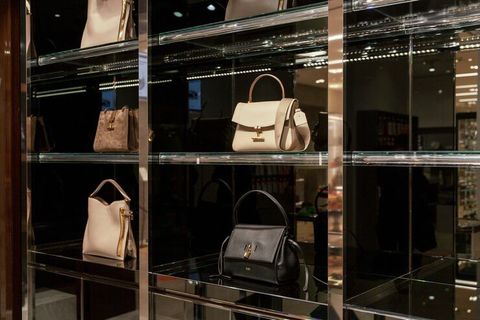
Today, handbags can be found in many forms, including shoulder bags, tote bags, crossbody bags, top-handle bags, clutches, bucket bags, and structured cases. Their appearance can range from understated and functional to highly decorative, depending on the intended setting and design approach.
How Handbag Design Developed
Handbag design combines practical requirements with visual elements. Designers consider dimensions, weight distribution, opening mechanisms, interior organization, handles, straps, stitching, and the relationship between the bag and different types of clothing.
Materials also play an important role. Leather remains widely associated with luxury handbag production, while canvas, suede, textile blends, coated fabrics, and alternative materials are also used. Each material can differ in texture, flexibility, durability, maintenance requirements, and appearance.
Common Handbag Categories
Different handbag styles are designed around particular carrying methods and situations.
- Tote bags generally have an open interior and two handles, making them suitable for carrying several personal items.
- Crossbody bags use a longer strap that allows the bag to rest across the body.
- Shoulder bags are typically carried from one shoulder and may have adjustable straps.
- Clutches are compact designs commonly carried by hand without a long strap.
- Top-handle bags have a shorter handle positioned above the main body of the bag.
- Bucket bags generally have a flexible body with an open or drawstring-style upper section.
Importance
Luxury Handbags Insights matters because handbags combine aesthetics with practical considerations. A visually appealing design may not provide the interior capacity, organization, weight distribution, or carrying arrangement that a person needs for everyday use.
Understanding construction and materials can also help readers interpret differences between handbag designs. Features such as reinforced handles, lining materials, metal hardware, stitching patterns, protective feet, and closure systems can influence how a bag functions in regular use.
Handbags can also have cultural and historical significance. Certain shapes, materials, and decorative techniques reflect changing fashion preferences, regional craftsmanship, artistic movements, or developments in manufacturing.
Materials and Construction
Leather is available in different types and finishes, including smooth, textured, grained, and suede surfaces. The characteristics of a leather handbag depend on the hide, tanning process, finishing method, thickness, and construction technique.
Textile-based handbags can use cotton, linen, nylon, canvas, or blended fabrics. These materials can provide different combinations of flexibility, texture, weight, and resistance to everyday handling.
Construction methods vary as well. Some handbags rely heavily on machine stitching, while others incorporate hand-finishing or detailed edge work. Hardware such as buckles, zippers, magnetic closures, rings, and decorative components can contribute to both appearance and function.
Features That Affect Everyday Use
When examining a handbag, several practical features can be considered:
- Interior compartments can help separate frequently used belongings.
- Adjustable straps can change the carrying position.
- Zippers and magnetic closures provide different approaches to securing the contents.
- Lining materials can influence interior appearance and maintenance.
- Reinforced attachment points can support handles and straps.
- Protective feet can reduce direct contact between the base and surrounding surfaces.
These features do not have the same importance for every person. A compact handbag may prioritize portability, while a larger structured design may focus more on organization and capacity.
Recent Updates
From 2024 through 2026, handbag design has continued to reflect a mixture of established styles and changing consumer preferences. Current collections across the fashion industry have included compact shapes, larger practical silhouettes, textured materials, relaxed construction, and designs that combine traditional details with contemporary proportions.
Shifting Design Trends
One noticeable trend is the continued movement between contrasting proportions. Smaller handbags remain visible in fashion, while larger shapes provide greater space for personal belongings. Medium-sized designs occupy a practical position between these two approaches.
Neutral colors and restrained decoration continue to appear alongside more expressive patterns, metallic elements, unusual textures, and distinctive hardware. This variety reflects the broad range of personal preferences within contemporary fashion.
Another development is greater attention to material transparency and production practices. Discussions around traceability, material sourcing, durability, repair, and alternative materials have become more prominent across the wider fashion sector.
Changing Functional Expectations
Modern handbags increasingly combine visual design with everyday functionality. Adjustable straps, organized interiors, lightweight construction, multiple carrying positions, and secure closures are features that can make a design more adaptable to different routines.
Digital fashion culture has also influenced how handbag styles circulate. Social platforms, fashion publications, resale marketplaces, and online archives allow people to compare silhouettes, materials, historical designs, and current trends more easily than in earlier periods.
The table below summarizes several common design characteristics:
| Handbag Feature | Common Purpose | Design Consideration |
|---|---|---|
| Adjustable strap | Changes carrying position | Length and attachment points |
| Interior compartments | Organizes belongings | Number and placement |
| Metal hardware | Provides function or decoration | Finish and weight |
| Structured base | Helps maintain shape | Material stiffness |
| Protective feet | Limits base contact | Placement and durability |
| Lining | Covers interior surfaces | Material and maintenance |
Tools and Resources
Several resources can help readers understand handbags without requiring specialist knowledge. Digital fashion archives can provide historical examples, while manufacturer specifications and material guides can explain construction details.
Visual comparison tools are useful for examining proportions, silhouettes, colors, and carrying arrangements. Measurement charts can also help readers understand the relationship between a handbag's external dimensions and its usable interior space.
Useful Research Resources
Fashion museums and digital collections provide historical context for handbag development. Textile and leather reference resources can explain material characteristics, while care guides can describe general approaches to handling different surfaces.
A simple measurement worksheet can also be useful when comparing handbag designs. Readers can record external height, width, depth, handle drop, strap length, compartment arrangement, closure type, and approximate empty weight.
When researching a particular handbag, checking several types of information can provide a more complete picture:
- Material composition
- Dimensions
- Interior arrangement
- Closure mechanism
- Handle or strap configuration
- Construction details
- General care requirements
- Historical or design background
FAQs
What does Luxury Handbags Insights cover?
Luxury Handbags Insights covers handbag designs, materials, construction methods, functional features, historical background, and contemporary trends. It provides general information for understanding how different handbag characteristics relate to appearance and everyday use.
Which materials are commonly used in luxury handbags?
Leather, suede, canvas, cotton, nylon, coated textiles, and blended fabrics are among the materials used in handbag production. Their characteristics vary in texture, flexibility, maintenance requirements, and resistance to everyday handling.
How do handbag designs change with fashion trends?
Handbag designs change through differences in size, shape, color, texture, hardware, carrying methods, and decorative details. Established silhouettes can also be adapted with new proportions or materials.
What features should readers examine in a handbag?
Important features include dimensions, compartments, closures, handles, straps, lining, hardware, stitching, and base construction. Their relevance depends on how the handbag is intended to be carried and used.
Why are materials important when studying Luxury Handbags Insights?
Materials influence a handbag's texture, structure, weight, appearance, and maintenance requirements. Understanding these differences provides useful context when comparing designs from different periods or categories.
Conclusion
Luxury handbags combine practical carrying functions with design, materials, craftsmanship, and cultural influences. Their forms range from compact clutches and crossbody bags to structured top-handle designs and larger totes. Recent trends show continued interest in varied proportions, functional details, material awareness, and combinations of traditional and contemporary design elements. Understanding these characteristics provides useful context for interpreting how handbags have developed and how their designs continue to change.

Related Post...

Luxury Handbags Insights: Exploring Designs, Materials, Features, and Trends
Updated: October 14, 2026
Read More