Multi Nozzle Filling Systems: An Overview of Modern Filling Technology
Multi nozzle filling systems are machines designed to place liquid, semi-liquid, or other flowable materials into several containers at the same time.
A multi nozzle filling machine uses multiple filling heads, allowing several bottles, jars, tubes, or other containers to be filled during one operating cycle. This arrangement is widely used where repeated filling activities need consistent control and organized production.
The development of these systems comes from the need to handle larger numbers of containers while maintaining controlled filling operations. Earlier filling methods often depended heavily on manual handling or single filling heads. As manufacturing processes became more organized, multi head filling machines were developed to coordinate several filling points within one system.
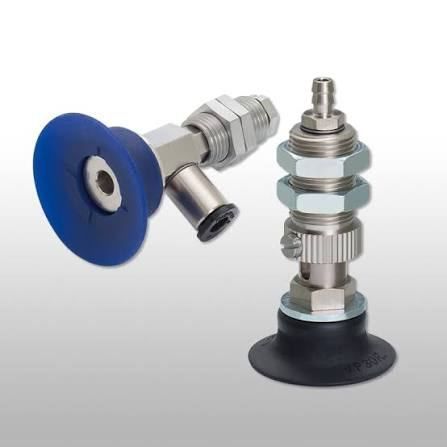
Today, a multi head liquid filling machine can incorporate pumps, valves, sensors, control panels, conveyors, and container-positioning mechanisms. The exact configuration depends on the material being filled, container shape, required volume, and production environment.
How Multi Nozzle Filling Works
A typical system places containers beneath several nozzles. Once the containers are positioned, the filling mechanism releases a predetermined amount of material through each nozzle. Sensors and control components can help coordinate container detection, filling duration, and movement between stages.
An automatic multi nozzle filling machine can perform several stages with limited manual intervention. These stages may include container positioning, filling, transfer, and communication with other packaging equipment.
The filling principle can vary according to the material. Pump-based systems, gravity filling, pressure filling, piston mechanisms, and other methods may be selected according to viscosity, flow behavior, container requirements, and production conditions.
Common Types of Filling Systems
Industrial filling systems can be configured for different materials and applications. Some systems are designed for thin liquids, while others handle thicker materials that require controlled pumping.
| System Type | Typical Material | Main Operating Feature |
|---|---|---|
| Gravity filling | Low-viscosity liquids | Uses controlled liquid flow |
| Pump filling | Liquid and semi-liquid materials | Uses a pump to move material |
| Piston filling | Medium to high-viscosity materials | Uses measured piston movement |
| Pressure filling | Selected liquid applications | Uses controlled pressure |
| Overflow filling | Certain liquid products | Uses a consistent fill level |
The selection of a filling method depends on the physical characteristics of the material and the container design.
Importance
Multi nozzle filling systems are important because filling is a central stage in many packaging processes. Bottles and containers may need to receive consistent quantities while moving through a production line. Manual filling can require considerable coordination when container volumes increase, while automated systems can organize repeated filling operations through programmed controls.
These systems affect manufacturers, packaging operators, quality personnel, and consumers. The filling process can influence container weight, package consistency, material usage, and the overall sequence of downstream packaging activities.
Supporting Consistent Filling
Precision filling machines are designed to control the quantity entering each container. Depending on the machine design, control may involve piston movement, pump operation, filling time, flow measurement, or other mechanisms.
Consistency is particularly relevant when containers are expected to hold a defined quantity. Variations can occur because of liquid temperature, viscosity, pressure, nozzle configuration, or equipment settings, so filling systems generally require suitable adjustment and monitoring.
Increasing Filling Capacity
High speed filling machines use multiple filling heads to process several containers during an operating cycle. The number of nozzles can vary significantly between systems, depending on available space, container dimensions, material properties, and production requirements.
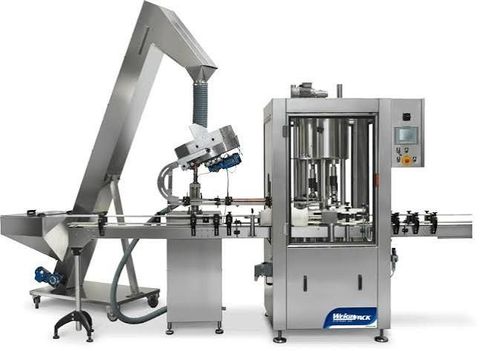
High capacity multi nozzle filling machines can also be integrated with conveyors and other packaging stages. This allows container movement to be coordinated with filling and subsequent operations such as capping, labeling, or inspection.
Supporting Different Industries
Industrial liquid filling machines are used across various sectors. Food and beverage production may involve liquids with different viscosities, while cosmetics and household products may require different filling characteristics.
Pharmaceutical filling equipment is designed for controlled environments where cleanliness, measurement, container handling, and process documentation can have specific requirements. The equipment configuration depends on the material and applicable manufacturing standards.
Recent Updates
From 2024 through 2026, developments in filling technology have generally focused on greater automation, improved machine monitoring, flexible production formats, and stronger integration with digital manufacturing systems. Manufacturers are increasingly connecting filling equipment with sensors and control software to collect operating information and coordinate different production stages.
Greater Automation and Monitoring
Automated liquid filling systems increasingly use sensors to detect containers, monitor machine conditions, and coordinate filling cycles. Digital control interfaces can allow operators to adjust selected parameters and observe system status.
Industrial automated filling equipment may also communicate with upstream and downstream machinery. This creates a more connected packaging environment in which filling can form part of a larger automated sequence.
Flexible Container Handling
Modern systems are increasingly designed around different container sizes and formats. Adjustable nozzles, programmable controls, changeover mechanisms, and configurable conveyors can help equipment accommodate changes in production requirements.
Advanced multi head filling systems may combine several filling heads with electronic controls that coordinate movement and filling parameters. The practical flexibility depends on machine design and the range of containers it is configured to handle.
Digital Integration
Process data has become more important in automated manufacturing. Filling equipment may record information such as operating cycles, filling parameters, machine status, and detected interruptions.
These capabilities can contribute to automated packaging filling systems that connect filling operations with broader production monitoring. Data integration can also support process documentation and equipment analysis when appropriately configured.
Pharmaceutical and Controlled Applications
Advanced pharmaceutical filling systems continue to emphasize controlled handling, equipment cleanliness, precise measurement, and process monitoring. Pharmaceutical environments can have specific regulatory and facility requirements, meaning filling equipment must be configured according to the intended application.
The growing use of automation does not remove the need for operator oversight. Inspection, cleaning, calibration, documentation, and appropriate process controls remain important parts of filling operations.
Tools and Resources
Understanding a filling system often requires more than examining the filling heads. Several tools and resources can help explain equipment selection, operating principles, and production requirements.
Filling Volume and Capacity Calculations
Basic production calculations can estimate the number of containers processed during an operating period. A simplified calculation is:
Estimated output = containers per cycle × cycles per minute × operating minutes
Actual output can be lower because of container positioning, material flow characteristics, machine adjustments, interruptions, cleaning procedures, and other operating factors.
Technical Documentation
Equipment manuals, technical specifications, process diagrams, and maintenance documents provide information about machine configuration and operating requirements. These documents can describe nozzle arrangements, pump types, container dimensions, control settings, and compatible materials.
For industrial filling systems, documentation can also explain connections between the filling machine and other production equipment.
Process Mapping Templates
A simple process map can show how containers move through a filling line:
- Container arrival
- Container positioning
- Filling
- Nozzle withdrawal
- Container transfer
- Inspection
- Capping or subsequent packaging
Such diagrams can help general readers understand how a multi nozzle filling production system fits into a wider packaging workflow.
Measurement and Inspection Tools
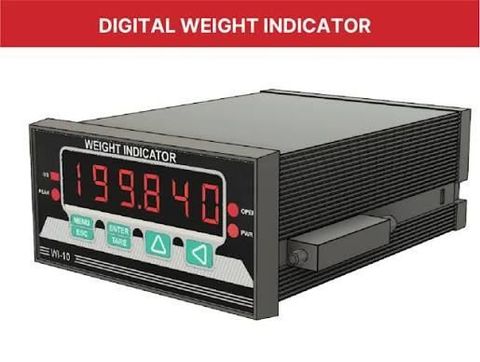
Depending on the application, production environments may use scales, measuring devices, sensors, vision systems, and inspection equipment to examine filled containers. These tools can help identify differences in fill quantity, container position, or packaging condition.
FAQs
What are multi nozzle filling systems?
Multi nozzle filling systems use several filling heads to place material into multiple containers during the same operating cycle. They can be configured for different liquid characteristics, container formats, and production environments.
How does a multi nozzle filling machine work?
A multi nozzle filling machine positions containers beneath several nozzles and releases a controlled quantity of material into each container. Sensors, pumps, valves, and programmable controls may coordinate the filling cycle.
What is a multi head liquid filling machine used for?
A multi head liquid filling machine is used to fill multiple containers with liquids during repeated production cycles. Its configuration can vary according to liquid viscosity, container size, filling volume, and required process controls.
What is the difference between automatic filling equipment and manual filling?
Automatic filling equipment uses mechanical, electronic, or software-based controls to coordinate repeated filling activities. Manual filling relies more heavily on operators to position containers, measure material, and manage each filling step.
Where is pharmaceutical filling equipment used?
Pharmaceutical filling equipment is used in controlled manufacturing environments for filling appropriate pharmaceutical products into designated containers. Equipment configuration depends on the product, container, cleanliness requirements, measurement requirements, and applicable regulations.
Conclusion
Multi nozzle filling systems use multiple filling heads to coordinate the repeated filling of several containers within a production cycle. Their development reflects the broader movement from manual handling toward automated liquid filling systems with sensors, programmable controls, and connected equipment. Modern systems can be configured for different materials, container formats, industries, and process requirements. Understanding the filling mechanism, automation features, measurement methods, and surrounding packaging stages provides a clearer view of how modern filling technology operates.

Related Post...
Container Capping Systems: An Overview of Modern Capping Technology
Updated: October 19, 2026
Read More
Gear Grinding Machines: An Overview of Precision Gear Manufacturing
Updated: October 24, 2026
Read More
Barrel Finishing Machines: An Overview of Their Uses and Applications
Updated: October 24, 2026
Read More