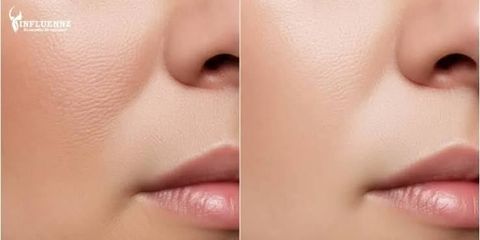
Non-Surgical Skin Tightening Guide to Modern Treatment Options
Non-surgical skin tightening refers to cosmetic procedures designed to improve the appearance of loose or less firm skin without surgical removal of skin.
Modern skin tightening treatments use different forms of controlled energy, including radiofrequency, laser energy, and ultrasound, to affect tissue beneath the skin. These approaches are generally performed without traditional surgical incisions.
Skin firmness naturally changes with age. The skin gradually produces less collagen and elastin, while factors such as sun exposure, genetics, changes in body size, and normal aging can influence its appearance. This has contributed to interest in non-invasive skin tightening and other approaches to improving skin texture and firmness.
How Skin Tightening Works
Different skin tightening procedures use different physical mechanisms. Some deliver heat to selected tissue layers, while others use focused ultrasound energy. The intended effect may involve controlled heating of tissue and stimulation of collagen remodeling.
Facial skin tightening is commonly considered for areas such as the cheeks, jawline, neck, and around the eyes. Body skin tightening treatments may be used on areas such as the abdomen, arms, thighs, or other regions where skin appears less firm.
Common Treatment Categories
The main skin tightening treatment options differ in their energy source, depth, treatment area, and expected effects. Common categories include:
- Radiofrequency skin tightening, which uses radiofrequency energy to heat targeted tissue.
- Laser skin tightening, which uses specific wavelengths of light to affect skin tissue.
- Ultrasound skin tightening, which uses acoustic energy at selected depths.
- High intensity focused ultrasound treatment, which delivers focused ultrasound energy to specific tissue layers.
- RF skin tightening treatment, which is another term commonly used for radiofrequency-based procedures.
These procedures are not identical, and the appropriate approach depends on factors such as the treatment area, skin characteristics, and individual goals.
Importance
Non-surgical skin tightening is relevant to people who notice changes in skin firmness but do not want or are not considering surgical procedures. It is also relevant to people seeking information about how different energy-based cosmetic procedures work and what limitations they have.
The term “non-surgical” does not mean that every procedure is risk-free. Temporary redness, swelling, tenderness, discomfort, or changes in skin appearance can occur depending on the technique and individual circumstances.
Understanding Different Needs
Skin laxity can vary considerably from person to person. Mild changes in firmness may be approached differently from substantial excess skin, and the same technique may not be appropriate for every body area.
Non-invasive facial tightening generally focuses on relatively localized changes in facial or neck skin. Body procedures can involve larger areas and may require different equipment or treatment settings.
Comparing Treatment Approaches
Understanding the differences between technologies can make information about professional skin tightening treatments easier to interpret. The table below provides a general comparison.
| Approach | Energy Used | Common Areas | General Consideration |
|---|---|---|---|
| Radiofrequency | Radiofrequency energy | Face and body | Uses controlled heating |
| Laser | Light energy | Primarily selected facial areas | Wavelength affects tissue interaction |
| Ultrasound | Acoustic energy | Face and body | Can target specific tissue depths |
| Focused ultrasound | Concentrated ultrasound | Selected facial and body areas | Delivers energy to defined locations |
| Combination approaches | More than one technology | Varies | Depends on the treatment plan |
No single category is appropriate for every person or every degree of skin laxity. A qualified healthcare professional can assess relevant factors before a procedure.
Recent Updates
From 2024 through 2026, the general direction of skin-tightening technology has been toward more controlled energy delivery, improved treatment planning, and devices designed to target particular tissue depths. Manufacturers and researchers have continued to examine how energy interacts with skin and underlying tissue.
Advances in Energy Delivery
Advanced skin tightening technology increasingly emphasizes controlled delivery of energy. Device designs may include sensors, adjustable settings, cooling mechanisms, or other features intended to manage energy exposure.
Advanced non-invasive skin tightening approaches may also use treatment protocols tailored to different areas. These developments do not eliminate individual variation, and results can differ according to skin characteristics and the technology used.
Interest in Collagen Remodeling
Many collagen skin tightening treatments are based on the idea that controlled thermal or other energy exposure can influence collagen remodeling. Collagen is a structural protein that contributes to the skin's firmness and support.
Collagen remodeling is gradual rather than instantaneous. The visible appearance of treated skin can therefore change over time, and the extent of change varies among individuals.
Greater Attention to Treatment Safety
Recent discussion around advanced non-surgical skin tightening treatments also emphasizes appropriate patient selection, device settings, skin type, treatment area, and practitioner training. Incorrect energy levels or unsuitable treatment can increase the possibility of unwanted effects.
For this reason, professional radiofrequency skin tightening and other energy-based procedures should be considered in the context of an appropriate clinical assessment rather than as a one-size-fits-all procedure.
Tools and Resources
Several resources can help people understand skin tightening procedures before discussing them with a healthcare professional. Reliable information is generally more useful when it explains how a technology works, its limitations, potential adverse effects, and situations in which it may not be appropriate.
Medical and Regulatory Resources
Government health agencies and professional medical organizations publish educational information about cosmetic procedures and medical devices. Device documentation can also explain the intended use of particular technologies.
Useful resources include:
- Government health-agency information about cosmetic procedures and medical devices.
- Professional dermatology and plastic-surgery organizations.
- Manufacturer documentation describing device technology and intended applications.
- Clinical publications discussing radiofrequency, laser, and ultrasound techniques.
- Consultation questionnaires that record medical history, medications, skin characteristics, and treatment goals.
Questions to Discuss Before Treatment
Before considering a procedure, people may want to understand the specific technology being used and why it is appropriate for the intended area. Important topics can include expected effects, possible adverse reactions, recovery requirements, contraindications, and whether multiple sessions may be involved.
It can also be useful to ask whether the device is intended for the particular body area being considered and whether the practitioner has appropriate training for that technology.
FAQs
What is non-surgical skin tightening?
Non-surgical skin tightening uses cosmetic procedures that aim to improve the appearance of skin firmness without traditional surgical skin removal. Techniques may use radiofrequency, laser, ultrasound, or other forms of controlled energy.
How does radiofrequency skin tightening work?
Radiofrequency skin tightening uses radiofrequency energy to produce controlled heating within targeted tissue. The heating is intended to influence tissue and collagen remodeling, although individual results can vary.
Is laser skin tightening different from ultrasound skin tightening?
Yes. Laser skin tightening uses light energy, while ultrasound skin tightening uses acoustic energy. They can differ in how deeply energy is delivered, which areas are treated, and how tissue responds.
What is high intensity focused ultrasound treatment?
High intensity focused ultrasound treatment uses concentrated ultrasound energy directed at selected tissue depths. It is used in some cosmetic procedures intended to address skin laxity without conventional surgery.
Are advanced non-invasive skin tightening treatments suitable for everyone?
No. Suitability can depend on factors such as skin condition, treatment area, degree of laxity, medical history, and the specific technology. An appropriate clinical assessment is needed to determine whether a particular procedure is suitable.
Conclusion
Non-surgical skin tightening includes several cosmetic approaches that use radiofrequency, laser, ultrasound, and related technologies to address the appearance of less firm skin. Facial and body treatments differ according to the area treated, energy used, and tissue targeted. Recent developments have focused on more controlled energy delivery, treatment planning, and understanding of collagen remodeling. Individual results and potential risks vary, so these procedures are generally considered in the context of an appropriate professional assessment.

Related Post...