Tube Sealing Systems: An Overview of Sealing Methods and Equipment
Tube sealing systems are equipment and processes used to close filled tubes so their contents remain contained and protected during handling, storage, and distribution.
They are used with plastic, laminate, and metal tubes across industries such as cosmetics, personal care, food processing, household products, and regulated manufacturing environments. A tube sealing machine may perform only the closing operation, while a tube filling and sealing machine can combine filling and closure in one production sequence.
The development of tube sealing equipment followed the wider shift from manual packaging toward mechanized and automated production. Earlier tube closure methods depended heavily on hand-operated tools and simple mechanical devices. As packaging requirements became more consistent, equipment evolved to control filling quantities, sealing temperature, pressure, timing, and tube positioning.
Today, industrial tube sealing systems can include filling mechanisms, sealing stations, coding units, sensors, conveyors, and control panels. The exact configuration depends on the tube material, product characteristics, required production sequence, and applicable packaging requirements.
How Tube Sealing Works
A typical process begins when empty tubes are positioned in holders. The tube may then be filled with a measured quantity of material before moving to a sealing station. Depending on the tube and equipment, the end can be sealed using heat, ultrasonic energy, mechanical folding, or another compatible method.
An automatic tube sealing machine coordinates several stages with limited manual handling. Sensors can detect tube position and machine conditions, while control systems regulate operating parameters. The sealed tube may then move to inspection, coding, trimming, or secondary packaging.
Common Sealing Methods
Different tube materials and products require different sealing approaches. Common methods include:
- Heat sealing, which uses controlled heat to soften compatible thermoplastic layers before pressure creates the closure.
- Ultrasonic sealing, which uses high-frequency mechanical vibrations to generate localized heat at the sealing area.
- Crimping or folding, which mechanically shapes the end of a compatible metal tube.
- Induction or specialized sealing methods, which may be used when the tube and packaging structure are designed for them.
The appropriate method depends on material structure, tube dimensions, product properties, seal requirements, and equipment configuration.
Importance
Tube sealing plays an important role in maintaining package integrity. A properly formed closure helps prevent leakage, limits unwanted exposure to external conditions, and keeps the contents contained during transportation and storage.
The topic affects manufacturers, packaging operators, quality teams, retailers, and consumers. Products packaged in tubes can include personal-care materials, household formulations, food products, and other substances where consistent closure is part of overall package quality.
Supporting Consistent Packaging
Manual tube closure can introduce variation when many units must be processed. Automated tube filling and sealing systems can coordinate repeated steps according to defined machine settings.
Precision tube sealing equipment may control factors such as temperature, sealing pressure, dwell time, and tube alignment. These variables can influence the appearance and physical integrity of the finished seal.
Matching Equipment to Production Needs
Not every application requires the same machinery. A small production environment may use a relatively simple tube sealing machine, while a larger operation may integrate filling, sealing, inspection, coding, and material movement.
Industrial tube sealing equipment can also be configured for different tube sizes and materials. Changeover requirements, available floor space, cleaning procedures, control systems, and production characteristics can influence equipment selection and layout.
| Equipment Type | Typical Function | Common Application Area |
|---|---|---|
| Tube sealing machine | Closes filled tubes | General tube packaging |
| Tube filling and sealing machine | Fills and seals tubes | Personal care and packaged products |
| Automatic tube sealing machine | Automates tube closure | Repetitive production |
| Pharmaceutical tube sealing machine | Supports controlled tube packaging processes | Regulated manufacturing |
| Cosmetic tube sealing machine | Seals cosmetic product tubes | Personal care packaging |
| High precision tube sealing equipment | Controls sealing parameters closely | Applications requiring consistent seals |
Packaging and Quality Considerations
Tube sealing and packaging equipment may be part of a larger packaging line. Inspection can involve checking seal appearance, tube position, fill level, coding, and package condition.
Quality procedures can also include sampling and testing according to internal specifications and applicable regulations. Equipment settings should be established according to the tube material and the characteristics of the particular packaging process.
Recent Updates
From 2024 through 2026, tube sealing technology has generally moved toward greater automation, digital monitoring, flexible production formats, and integration with broader packaging lines. Manufacturers have increasingly focused on equipment that can collect operating information and coordinate multiple stages within a production sequence.
Increased Automation
Automated tube sealing equipment can connect filling, sealing, trimming, coding, and material handling into a coordinated process. Automatic tube filling and sealing systems can reduce the number of separate manual transfers between stages.
Automated industrial tube sealing systems may also incorporate sensors that identify tube presence, position, or machine conditions. These features can help control the sequence of operations and identify process interruptions.
Digital Monitoring
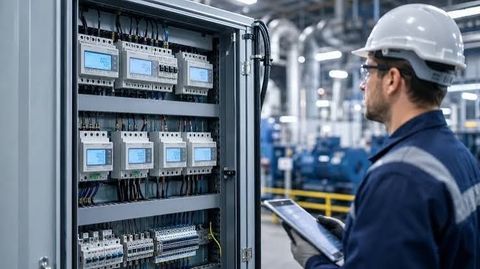
Modern equipment can use electronic controls and operator interfaces to manage settings and display operating information. Data from sensors can be used for monitoring parameters such as temperature, pressure, machine speed, and cycle status.
Some advanced tube sealing machinery is also designed to communicate with broader production-monitoring systems. This supports centralized information gathering and process documentation where such integration is implemented.
Greater Attention to Material Compatibility
Packaging development continues to include plastic and laminate tube structures designed for different product and environmental requirements. Sealing equipment must be compatible with the layers that form the tube closure.
Pharmaceutical tube sealing systems and cosmetic tube sealing machines may therefore use different configurations depending on packaging materials, cleanliness requirements, production controls, and applicable standards. Equipment design alone does not determine whether a package meets a particular regulatory requirement.
Automation Features at a Glance
Current equipment configurations may include:
- Automatic tube loading and positioning.
- Controlled filling before sealing.
- Temperature and pressure monitoring.
- Sensor-based tube detection.
- Automatic trimming of sealed ends.
- Date, batch, or identification coding.
- Integration with inspection equipment.
- Electronic operating records where supported.
These features vary considerably between equipment designs and applications.
Tools and Resources
Several resources can help users understand tube sealing processes and equipment. Manufacturer manuals, packaging standards, material specifications, process documentation, and technical training materials can explain how different sealing methods operate.
Equipment Documentation
Technical manuals can provide information about machine settings, tube dimensions, compatible materials, maintenance procedures, and operating sequences. Such documentation is particularly relevant when working with high precision tube sealing equipment.
Packaging material datasheets can also help explain the structure of plastic, laminate, or metal tubes. Understanding the material is important because sealing behavior depends partly on the layers and properties of the tube.
Process Evaluation Resources
Useful process resources include:
- Tube material specification sheets for identifying compatible sealing structures.
- Equipment manuals for understanding operating parameters.
- Process flow templates for documenting filling and sealing stages.
- Quality checklists for recording package inspection points.
- Maintenance logs for tracking equipment condition.
- Production monitoring software for reviewing machine information where integrated.
Process documentation can make it easier to identify where filling, positioning, sealing, inspection, or packaging activities occur within a production line.
Selecting a Sealing Method
A structured evaluation can consider tube material, tube diameter, product characteristics, required seal design, production volume, automation level, and regulatory environment. These factors help determine whether a particular sealing method and equipment configuration are technically appropriate.
For complete tube filling and sealing systems, the relationship between filling accuracy, tube handling, sealing, inspection, and downstream packaging should also be considered as one connected process.
FAQs
What are tube sealing systems used for?
Tube sealing systems are used to close filled tubes after or during packaging. They help contain the product and create a consistent package closure using methods such as heat sealing, ultrasonic sealing, or mechanical closure.
How does an automatic tube sealing machine work?
An automatic tube sealing machine positions tubes and performs the closure sequence according to programmed operating parameters. Sensors and control systems can coordinate tube detection, positioning, sealing, and movement between stages.
What is a tube filling and sealing machine?
A tube filling and sealing machine combines tube filling and tube closure within one coordinated equipment system. The machine can measure or dispense material into a tube before completing the specified sealing process.
What is the difference between pharmaceutical tube sealing equipment and cosmetic tube sealing equipment?
The fundamental sealing principles can be similar, but equipment configurations may differ because packaging materials, cleanliness controls, documentation, and applicable manufacturing requirements vary between applications.
What factors affect tube sealing quality?
Tube material, sealing temperature, pressure, timing, alignment, tube dimensions, and product characteristics can all affect the resulting closure. Equipment settings should correspond to the specific packaging materials and process requirements.
Conclusion
Tube sealing systems combine mechanical, thermal, ultrasonic, or other closure methods with equipment designed to create consistent tube packages. Modern systems can integrate filling, sealing, inspection, coding, and automated material handling within a coordinated workflow. Developments in digital monitoring, automation, sensor technology, and material compatibility continue to influence tube sealing equipment. The appropriate configuration depends on tube construction, product characteristics, production requirements, and applicable packaging controls.

Related Post...
Rotary Cartridge Filling: An Overview of Filling Systems and Applications
Updated: October 08, 2026
Read More
Electromagnetic Positioning System: An Overview of Modern Positioning Technology
Updated: October 08, 2026
Read More
Industrial Packaging Equipment: An Overview of Modern Packaging Systems
Updated: October 08, 2026
Read More