Automatic Molding Lines: An Overview of Modern Foundry Production
Automatic molding lines are integrated production systems used in foundries to create molds for metal casting with a high degree of mechanical and digital coordination.
They combine molding machines, sand preparation, material handling, control systems, and related equipment into a connected production sequence. The main purpose is to produce consistent molds that can receive molten metal and form the required shape after solidification.
Traditional foundry molding often depended on manual preparation of patterns, molding sand, and individual molds. As casting requirements became more complex and production volumes increased, automatic molding machines were developed to perform repeated molding tasks with greater consistency. Modern automated molding systems can coordinate several stages of the process while reducing the amount of direct manual handling.
How Molding Lines Developed
Foundry molding is an established manufacturing process used to create components from metals such as iron, steel, aluminum, and other alloys. A pattern is used to create a cavity in molding material, commonly prepared sand, and molten metal is then introduced into the cavity.
Earlier processes required workers to prepare many stages individually. Industrial molding machines introduced mechanical pressure, controlled sand delivery, pattern handling, and mold transfer into the workflow. Over time, these machines became connected into industrial molding systems capable of coordinating multiple operations.
Main Components
A complete automatic molding production line can contain several interconnected sections. The exact configuration depends on the type of casting, mold dimensions, production requirements, and foundry layout.
Common components include:
- Sand preparation and conditioning equipment
- Pattern plates or pattern-handling mechanisms
- Molding machines for forming the mold
- Mold transfer and alignment equipment
- Conveyor systems for moving completed molds
- Pouring equipment for introducing molten metal
- Cooling and mold handling systems
- Knockout equipment for separating castings from sand
- Control panels and monitoring systems
Automatic molding equipment can therefore represent a complete sequence rather than a single machine.
Importance
Automatic molding lines are important because foundry production involves repeated operations that must be coordinated carefully. Mold dimensions, sand characteristics, alignment, pressure, and timing can influence the resulting casting. Automation provides a structured way to manage these repeated activities.
The technology affects industries that depend on cast metal components, including transportation, construction equipment, energy infrastructure, machinery production, and industrial manufacturing. The cast components themselves may eventually become parts of products used by the general public.
Consistency in Mold Production
Automated molding equipment can repeat programmed movements and operating sequences. This can help maintain similar molding conditions across production cycles when the equipment is correctly configured and maintained.
Automatic sand molding machines are particularly relevant to foundries that use prepared molding sand. They can form molds through controlled filling, compression, pattern separation, and mold handling processes.
Coordination of Foundry Operations
Automatic casting lines can connect molding with material movement and other stages of foundry production. Instead of treating each mold as an isolated activity, an integrated line can coordinate the movement of molds through successive stages.
Automated casting systems may also include sensors and control mechanisms that monitor equipment conditions. These systems can provide information to operators and help coordinate equipment according to programmed sequences.
Production and Workplace Considerations
Automation can change the type of work performed around a foundry. Workers may spend less time on repetitive physical handling and more time on equipment monitoring, inspection, setup, maintenance, quality checks, and process management.
However, automated systems still require trained personnel. Equipment faults, incorrect settings, worn components, sand variations, and other conditions can affect the molding process and require human attention.
| Production Area | Traditional Approach | Automated Approach |
|---|---|---|
| Sand handling | Manual or semi-mechanical | Controlled material movement |
| Mold formation | Manual molding or individual machines | Connected molding equipment |
| Mold transfer | Manual handling | Conveyors and transfer mechanisms |
| Process monitoring | Direct observation | Sensors and control interfaces |
| Pattern handling | Manual positioning | Mechanized or automated movement |
| Production coordination | Separate operations | Integrated production sequence |
Recent Updates
From 2024 through 2026, foundry automation has continued to develop around digital monitoring, robotics, improved sensors, data collection, and greater integration between machines. The general direction is toward production systems that can provide more information about operating conditions while coordinating several stages of the molding process.
Intelligent Molding Production Systems
Intelligent molding production systems increasingly combine conventional automation with digital monitoring. Sensors can collect information about equipment status, temperature, pressure, movement, vibration, or other process conditions.
This information can be displayed through control interfaces or stored for later analysis. Such systems can help operators identify changes in operating conditions and understand how equipment is performing over time.
Robotics and Automated Handling
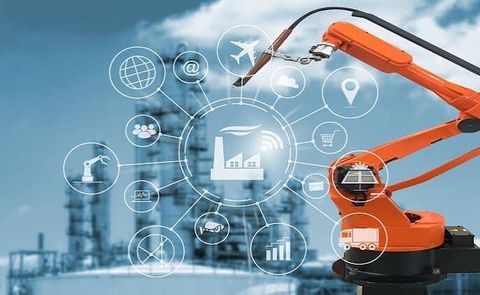
Robotic molding systems are being used for selected handling and repetitive activities within foundry environments. Robots can move patterns, handle components, transfer materials, or perform other programmed movements depending on the production layout.
Robotics can also be integrated with industrial molding machines and material-handling equipment. The level of automation varies considerably between foundries because production requirements, equipment configurations, and existing infrastructure differ.
Higher Integration
Industrial automated molding lines increasingly connect molding equipment with conveyors, sand systems, inspection equipment, and production monitoring platforms. Advanced industrial molding systems may use centralized controls to coordinate multiple sections of a production line.
High speed molding machines are another part of this development. Their operation depends on coordinated mechanical movement, suitable sand preparation, mold design, and appropriate process controls. Higher operating speed does not remove the need for inspection or process monitoring.
Data and Digital Monitoring
Advanced automated molding equipment can generate operational information that can be used to review production conditions. Data may include cycle information, equipment status, alarm records, and process measurements.
AI-based technologies are also being explored in manufacturing environments for tasks such as data analysis, anomaly identification, visual inspection, and process monitoring. AI does not replace the underlying mechanical molding process; instead, it can function as an additional analytical layer when appropriately integrated.
Tools and Resources
Understanding automatic molding equipment often requires information from several technical areas. Equipment manuals, foundry engineering references, process diagrams, and educational materials can help explain how individual components interact.
Process Planning Tools
Foundries may use process-mapping software, production planning platforms, and equipment documentation to describe the movement of materials and molds. Digital layouts can also help visualize how machines, conveyors, inspection points, and work areas are arranged.
Useful resources include:
- Foundry process flow templates
- Equipment maintenance checklists
- Mold design references
- Sand testing documentation
- Production monitoring dashboards
- Equipment manuals and technical specifications
- Industrial safety guidance
- Training materials for molding and casting processes
Monitoring and Maintenance Resources
Industrial molding systems require regular inspection and maintenance. Monitoring tools can track operating conditions and identify changes that may require investigation.
Maintenance records can document inspections, component replacement, calibration activities, and equipment adjustments. These records can help create a historical view of how an automated production line operates.
FAQs
What are automatic molding lines?
Automatic molding lines are connected systems that produce and move foundry molds through a sequence of controlled operations. They can include automatic molding machines, conveyors, sand-handling equipment, controls, and related equipment.
How do automatic sand molding machines work?
Automatic sand molding machines generally place prepared molding sand around a pattern and apply controlled pressure to form the mold. The pattern is then separated, leaving a cavity that can later receive molten metal.
What are automated molding systems used for?
Automated molding systems are used to produce molds repeatedly in foundries. They can coordinate molding, mold handling, material movement, and monitoring activities according to defined production processes.
What is the difference between automatic casting lines and molding lines?
A molding line primarily focuses on producing and handling molds, while an automatic casting line can include additional stages related to metal pouring, mold movement, cooling, and casting handling. The exact configuration varies by foundry.
What role do robotic molding systems play?
Robotic molding systems can perform programmed handling and repetitive movements within a foundry. They may work alongside automatic molding equipment, conveyors, inspection systems, and other automated machinery.
Conclusion
Automatic molding lines bring together molding machines, material handling, control systems, and related equipment into coordinated foundry production processes. Modern automated molding systems increasingly incorporate sensors, robotics, digital monitoring, and connected controls. Their operation still depends on suitable materials, correct process settings, equipment maintenance, and human oversight. As foundry technology develops, automation is becoming more closely connected with data collection and digital process management.

Related Post...
Pycnometers Guide to Density Measurement and Laboratory Applications
Updated: October 19, 2026
Read More
AI Defect Detection Guide to Image-Based Inspection and Quality Monitoring
Updated: October 17, 2026
Read More
Heavy Duty Rectangular Connectors: A Guide to Industrial Connectivity
Updated: October 19, 2026
Read More