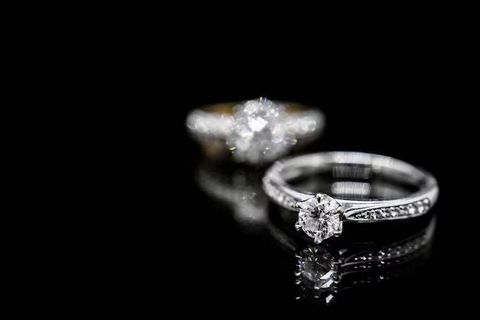
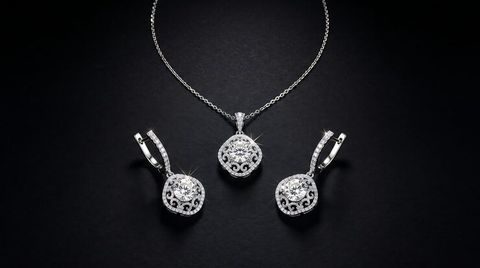
Halo Engagement Rings Guide: Understanding Styles, Settings, and Design Features
A halo engagement ring is a ring design in which a central gemstone is surrounded by a circle or halo of smaller stones.
This arrangement creates a defined visual frame around the center stone and has become a recognizable style within modern engagement rings. Halo designs can be created with diamonds or other gemstones, depending on the desired appearance and ring construction.
The halo concept has historical connections to jewelry styles that use surrounding stones to frame a central gem. Over time, advances in jewelry design have expanded the number of shapes, settings, metals, and stone arrangements available. Today, halo engagement rings can range from traditional round designs to more detailed arrangements built around oval, cushion, pear, emerald, or other center-stone shapes.
Understanding how these rings are constructed can help readers compare design features without focusing only on appearance. The center stone, halo arrangement, setting style, metal, proportions, and maintenance requirements all contribute to how an engagement ring looks and functions.
How a Halo Design Works
The central stone is the main visual element, while the surrounding stones form the halo. Depending on the design, the halo may sit closely around the center stone or create a more open border.
Common halo arrangements include:
- Single halos with one circle of surrounding stones
- Double halos with two layers of smaller stones
- Hidden halos positioned beneath the center stone
- Floral halos arranged with curved or petal-like shapes
- Mixed-stone halos combining different shapes or sizes
These variations allow halo engagement rings to have different visual proportions while following the same basic design concept.
Common Center Stone Shapes
The center stone strongly influences the overall appearance of the ring. Round stones are commonly paired with circular halos, while oval and cushion shapes can create softer or more elongated designs.
Pear, emerald, marquise, and radiant shapes can also be incorporated into halo settings. The relationship between the center stone and surrounding stones is important because differences in proportion can change the balance of the entire design.
Importance
Engagement rings often have personal and cultural significance, making design knowledge useful for people comparing different styles. A ring is also a physical object that is worn regularly, so factors such as setting structure, stone protection, cleaning, and everyday use can matter alongside appearance.
Halo designs address a simple design challenge: creating a visually defined frame around a central stone. The surrounding stones can introduce additional shape and texture, while the center stone remains the primary focal point.
Design Factors That Matter
Several elements should be considered when examining a halo engagement ring:
- Center stone: Its shape, size, and proportions influence the overall ring profile.
- Halo stones: Their number, size, shape, and arrangement determine the surrounding pattern.
- Setting: Prong, bezel, pavé, and other setting methods affect how stones are held.
- Metal: Platinum, gold, and other jewelry metals have different physical and visual characteristics.
- Band design: A plain, pavé, twisted, or split-shank band can change the appearance of the halo.
- Ring profile: A higher setting can provide space beneath the center stone, while a lower profile may sit closer to the finger.
Halo Settings and Stone Security
The setting is an important structural component of engagement rings. Small stones in a halo can be held with tiny prongs or other setting methods. Pavé-style arrangements place stones closely together, while bezel settings use a surrounding metal edge to hold a stone.
Because small stones have individual mounting points, regular inspection can help identify loose stones or damaged settings. Jewelry maintenance requirements vary according to the design, materials, and frequency of wear.
Comparing Common Halo Styles
| Halo Style | General Appearance | Common Design Feature |
|---|---|---|
| Single Halo | Defined frame around center | One surrounding stone layer |
| Double Halo | Wider surrounding frame | Two stone layers |
| Hidden Halo | Detail visible mainly from angles | Halo beneath center stone |
| Floral Halo | Soft, decorative outline | Petal-like arrangement |
| Mixed Halo | Varied visual texture | Different stone shapes or sizes |
This comparison provides a general overview rather than a quality ranking. The appropriate design depends on personal preferences, proportions, daily use, and the construction of the individual ring.
Recent Updates
From 2024 through 2026, engagement ring design has continued to include a broad mixture of traditional and contemporary styles. Rather than one design replacing another, current jewelry trends show continued interest in personalization, alternative center-stone shapes, distinctive bands, and variations of established settings.
Personalization and Custom Designs
Custom engagement rings have become an important part of the wider design conversation because they allow different elements to be considered together. Personalization can involve the center-stone shape, halo arrangement, metal type, band profile, engraving, or proportions.
This approach can also involve modifying a traditional halo rather than creating an entirely unusual design. For example, a conventional circular halo may be adapted around an oval center stone or combined with a less traditional band.
Alternative Shapes and Details
Oval, pear, emerald, marquise, and elongated rectangular center stones continue to appear across contemporary engagement ring designs. Halo arrangements can be adjusted to follow these shapes rather than relying exclusively on circular layouts.
There is also continued interest in details that are visible from different viewing angles. Hidden halos, gallery details, and decorative side stones can add visual interest without changing the primary outline of the ring.
Practical Design Considerations
Current engagement ring discussions increasingly consider appearance alongside everyday wear. Ring height, stone protection, cleaning requirements, and compatibility with other rings can influence design decisions.
Digital design tools have also become more common in custom jewelry planning. Computer-based models can help illustrate proportions and provide a visual representation of a proposed design before the physical ring is created.
Tools and Resources
Several tools and resources can help readers understand halo engagement rings and related jewelry terminology.
Ring Size Guides
Ring-size charts and printable sizing templates can provide a starting point for understanding standard ring measurements. Actual sizing can vary because finger dimensions change with temperature, time of day, and other conditions.
Diamond and Gemstone Guides
Educational gemstone resources can explain characteristics such as cut, color, clarity, carat weight, durability, and shape. These concepts are useful when comparing diamond engagement rings or rings featuring other gemstones.
Ring Design Software
Digital jewelry design platforms can create two-dimensional sketches or three-dimensional models. Such tools are particularly relevant when exploring custom engagement rings because they can illustrate how the center stone, halo, band, and setting interact.
Jewelry Terminology Resources
Jewelry glossaries and educational guides can help readers understand terms such as pavé, prong setting, bezel setting, gallery, shank, halo, center stone, and carat. Understanding these terms makes it easier to interpret product descriptions and design specifications.
FAQs
What is a halo engagement ring?
A halo engagement ring features a central gemstone surrounded by a group of smaller stones. The surrounding stones form a frame around the center and can be arranged in several shapes and patterns.
Are halo engagement rings only made with diamonds?
No. Halo engagement rings can use diamonds, colored gemstones, or combinations of different stones. The choice depends on the design, materials, and intended appearance of the ring.
What should be considered when choosing custom engagement rings?
Custom engagement rings can involve decisions about the center stone, halo shape, metal, setting, band design, proportions, and decorative details. Structural considerations are also important because the ring may be worn regularly.
How do halo settings differ from other engagement rings?
A halo setting places smaller stones around a central stone, creating a framed appearance. Other engagement rings may use a single center stone without surrounding stones or use side stones positioned along the band.
How should diamond engagement rings with halos be maintained?
Maintenance depends on the setting, stones, metal, and frequency of wear. Regular cleaning using an appropriate method and periodic inspection can help identify dirt buildup, loose stones, or setting damage.
Conclusion
Halo engagement rings combine a central gemstone with surrounding stones to create a defined framed design. Their appearance can vary considerably according to the center-stone shape, halo arrangement, setting, metal, and band structure. Recent engagement ring trends have included personalization, alternative stone shapes, hidden details, and digitally assisted design. Understanding these features provides useful general knowledge when comparing different engagement ring styles and construction methods.

Related Post...

Halo Engagement Rings Guide: Understanding Styles, Settings, and Design Features
Updated: October 07, 2026
Read More
Blue Sapphire Jewellery Basics: Understanding Gemstone Types, Settings, and Styles
Updated: October 19, 2026
Read More
Fine Jewelry Collections: Timeless Elegance and Enduring Allure
Updated: December 30, 2025
Read More