How Plywood Manufacturing Machinery Works: A Complete Guide
Plywood is made by bonding thin layers of wood veneer together to create a strong, dimensionally stable panel.
Plywood manufacturing machinery coordinates the main stages of this process, including log preparation, veneer peeling, drying, grading, adhesive application, assembly, pressing, trimming, and finishing.
Each machine performs a specific operation, while connected equipment helps move material from one stage to the next. Understanding how these systems work provides a clearer view of modern plywood production and the equipment required at different stages.
Why Plywood Manufacturing Machinery Matters
Plywood production involves several operations that must be performed in a controlled sequence. Veneer thickness, moisture content, adhesive distribution, pressing conditions, and panel dimensions can all influence the characteristics of the finished sheet.
Plywood manufacturing machinery helps organize these processes through:
- Controlled log preparation
- Consistent veneer production
- Veneer drying
- Surface grading and repair
- Controlled adhesive application
- Accurate veneer assembly
- Hot and cold pressing
- Panel trimming and sizing
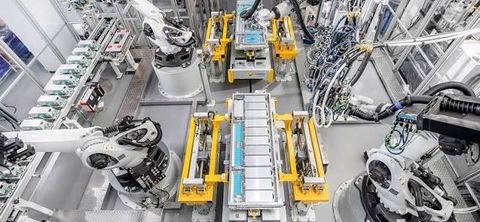
- Automated material handling
The exact machinery arrangement depends on the plywood type, panel dimensions, wood species, production volume, and manufacturing process.
How Plywood Manufacturing Machinery Works
A typical plywood production line follows a series of interconnected stages.
1. Log Preparation
Production begins with suitable logs. Logs are inspected and prepared before entering the veneer-production stage.
Debarking equipment removes the outer bark, while log handling systems position the material for further processing. Depending on the facility, logs may also be cut into suitable lengths before peeling.
2. Veneer Peeling
One of the central machines in plywood production is the veneer peeling machine. It rotates the prepared log against a cutting blade to produce a continuous sheet of thin wood veneer.
The thickness of the veneer depends on the machine configuration and production requirements. Accurate log positioning and blade control are important for producing consistent veneer.
3. Veneer Clipping and Sizing
Freshly peeled veneer may contain irregular edges or damaged sections. Veneer clipping machines cut the continuous material into suitable sheets or remove unwanted portions.
Sizing systems help prepare veneer pieces for drying and later panel assembly.
4. Veneer Drying
Fresh veneer contains relatively high moisture levels, so it normally passes through a drying stage before adhesive application.
Veneer drying equipment uses controlled heat and airflow to reduce moisture to a suitable range. Dryer configuration can vary according to veneer thickness, wood species, and production requirements.
Proper drying is important because excessive or insufficient moisture can affect adhesive bonding and panel processing.
5. Veneer Grading and Repair
After drying, veneer sheets can be inspected for cracks, knots, holes, discoloration, and other characteristics.
Grading may be performed manually, automatically, or through a combination of methods. Veneer repair equipment can also be used to address selected defects before assembly.
6. Adhesive Application
The prepared veneer sheets are coated with adhesive before they are assembled into a panel.
Glue spreaders or adhesive application systems distribute a controlled layer across the veneer surface. The adhesive formulation depends on the intended plywood application and applicable manufacturing requirements.
Uniform adhesive coverage is important for creating consistent bonds between adjacent veneer layers.
7. Veneer Layup and Assembly
Plywood consists of multiple veneer layers arranged in a specific orientation. In many plywood structures, adjacent layers are positioned with their wood grain directions oriented differently.
This cross-layer arrangement contributes to the dimensional behavior and mechanical characteristics of the panel.
Layup equipment positions veneer sheets in the required sequence. Automated systems can help place sheets consistently and maintain production flow.
8. Cold Pressing
The assembled veneer stack may first undergo cold pressing. Pressure holds the layers together and helps maintain the panel structure before the main bonding stage.
Cold pressing conditions depend on the adhesive system, veneer properties, panel construction, and production process.
9. Hot Pressing
The assembled panels then enter a plywood hot press machine.
Heat and pressure activate or accelerate the adhesive bonding process. The press applies controlled pressure across the panel while heated surfaces transfer thermal energy through the veneer layers.
Important variables include:
- Press temperature
- Pressure
- Pressing duration
- Panel thickness
- Adhesive characteristics
- Veneer moisture
Correct control of these variables helps create consistent bonding throughout the panel.
10. Trimming and Sizing
Pressed plywood panels can have uneven edges that require trimming. Panel trimming equipment cuts the sheets to specified dimensions.
Edge trimming machines and saw systems can be configured according to panel size and production requirements.
11. Sanding
Sanding equipment smooths the panel surfaces and can help achieve a specified thickness or surface condition.
Wide-belt sanding machines are commonly integrated into plywood processing lines where controlled surface preparation is required.
12. Inspection and Stacking
Finished panels are inspected for dimensions, surface condition, bonding issues, and other specified characteristics.
After inspection, stacking equipment organizes the panels into bundles for storage or subsequent processing.
Main Types of Plywood Manufacturing Machinery
Different machines perform different functions throughout the production sequence.
| Machinery | Main Function | Processing Stage |
|---|---|---|
| Log debarker | Removes bark | Log preparation |
| Veneer peeling machine | Produces thin veneer | Veneer production |
| Veneer clipper | Cuts veneer sheets | Veneer preparation |
| Veneer dryer | Reduces moisture | Drying |
| Veneer grader | Classifies veneer | Inspection |
| Glue spreader | Applies adhesive | Adhesive application |
| Layup machine | Arranges veneer layers | Assembly |
| Cold press | Holds veneer stack together | Pre-pressing |
| Hot press | Bonds veneer layers | Pressing |
| Panel saw | Cuts panels | Sizing |
| Sanding machine | Smooths panel surfaces | Finishing |
| Stacker | Organizes finished sheets | Handling |
Key Components of Plywood Production Machinery
Cutting Systems
Blades, knives, saws, and associated mechanisms are used during log preparation, veneer production, clipping, trimming, and sizing. Their configuration affects the dimensions and consistency of processed material.
Hydraulic Systems
Hydraulic cylinders and pumps can generate the pressure required by pressing equipment. Hydraulic controls regulate the movement and force applied during pressing operations.
Heating Systems
Hot presses require controlled heating systems to maintain the specified operating temperature. Depending on the equipment, heat may be supplied through thermal fluids, steam, electricity, or other systems.
Adhesive Application Systems
Glue spreaders use rollers or other mechanisms to distribute adhesive across veneer surfaces. Application settings must correspond to the adhesive formulation and production requirements.
Conveyors and Handling Equipment
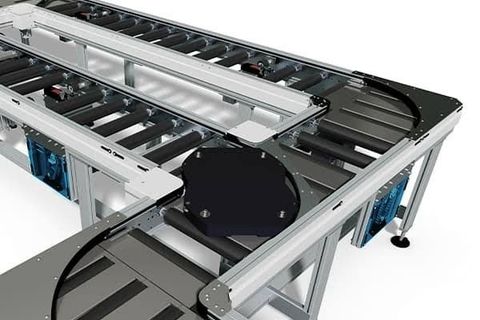
Conveyors, rollers, lifts, transfer tables, and stackers move veneers and panels between production stages.
Sensors and Control Systems
Modern plywood production machinery can incorporate sensors and programmable controls to monitor temperature, pressure, position, moisture, speed, and other operating parameters.
Factors Affecting Machinery Selection
Several factors influence the configuration of a plywood production line.
Wood Species
Different wood species have different densities, grain structures, moisture characteristics, and processing behavior.
Veneer Thickness
The required veneer thickness affects peeling equipment, drying parameters, adhesive application, and pressing conditions.
Panel Dimensions
Equipment must accommodate the required panel length, width, and thickness.
Production Capacity
The required output influences machine dimensions, press configuration, conveyor capacity, and automation levels.
Automation Requirements
Some facilities use automated veneer handling, scanning, layup, pressing controls, trimming, and stacking. Other operations may use more operator-controlled equipment.
Available Production Space
Machine arrangement should provide logical material flow while allowing access for inspection, maintenance, cleaning, and safety procedures.
Manual and Automated Plywood Production
Automation can connect multiple stages and reduce the amount of manual material movement.
| Feature | More Manual Setup | More Automated Setup |
|---|---|---|
| Veneer handling | Operator-controlled | Mechanical or robotic |
| Adhesive application | Operator-adjusted | Controlled application system |
| Layup | Manual placement | Automated positioning |
| Press control | Operator monitoring | Programmable control |
| Inspection | Visual inspection | Sensors and scanning |
| Stacking | Manual handling | Automated stacker |
The appropriate level of automation depends on production volume, panel specifications, facility layout, workforce requirements, and process complexity.
Common Applications of Plywood Manufacturing Machinery
Plywood manufacturing equipment is used to produce panels for several applications, including:
- Construction panels
- Furniture components
- Interior applications
- Packaging materials
- Transportation structures
- Flooring systems
- Wall and ceiling panels
- Industrial wood products
Different plywood grades and panel constructions require different combinations of machinery and processing parameters.
Maintenance Considerations
Regular inspection and maintenance help keep machinery within its intended operating conditions.
Important areas include:
- Peeling knives and cutting tools
- Conveyor chains and rollers
- Hydraulic systems
- Press plates
- Heating systems
- Adhesive application rollers
- Sensors and control components
- Sanding belts
- Safety guards and emergency systems
Maintenance intervals should follow equipment documentation and operating conditions. Clean working areas are also important because wood dust and adhesive residues can affect equipment components.
Who Uses Plywood Manufacturing Machinery?
Plywood manufacturing machinery is primarily used in plywood plants, wood-processing facilities, panel production operations, and manufacturing facilities that convert timber into engineered wood panels.
Production operators manage equipment during processing, while maintenance teams inspect mechanical and electrical components. Process engineers and quality personnel may monitor operating parameters and finished-panel characteristics.
Frequently Asked Questions
What is plywood manufacturing machinery?
Plywood manufacturing machinery refers to equipment used to convert logs into veneer and assemble those veneers into plywood panels. It includes peeling, drying, gluing, pressing, trimming, sanding, and handling equipment.
How does a plywood peeling machine work?
A plywood peeling machine rotates a prepared log against a cutting blade. The blade removes a continuous layer of wood veneer at a controlled thickness.
What does a plywood hot press do?
A hot press applies controlled heat and pressure to assembled veneer layers. This helps activate the adhesive and create a bonded plywood panel.
Why is veneer drying important in plywood production?
Drying reduces veneer moisture to a suitable level before adhesive application and pressing. Moisture conditions can influence adhesive bonding and the final panel characteristics.
What machines are used after plywood pressing?
After pressing, panels may pass through trimming saws, sanding machines, inspection equipment, and stacking systems. The exact sequence depends on panel specifications and the production line design.
Conclusion
Plywood manufacturing machinery connects the major stages required to convert timber into finished plywood panels. The process generally includes log preparation, veneer peeling, clipping, drying, grading, adhesive application, layup, pressing, trimming, sanding, inspection, and stacking.
Each machine has a defined role, but the overall performance of a plywood production line depends on how these stages work together. Factors such as wood species, veneer thickness, panel dimensions, production capacity, automation, and facility layout all influence equipment selection and process configuration.

Related Post...
Rotary Cartridge Filling: An Overview of Filling Systems and Applications
Updated: October 09, 2026
Read More
Precision Dosing Equipment: An Overview of Accurate Material Measurement
Updated: October 09, 2026
Read More
Industrial Metering Equipment: An Overview of Measurement Systems
Updated: October 09, 2026
Read More