Bottle Filling Systems Guide to Automated Production and Packaging Methods
Bottle filling systems are used to place measured quantities of liquids, creams, or other suitable materials into containers before later packaging stages.
These systems range from manually assisted equipment to fully integrated production lines. A bottle filling machine typically combines a filling mechanism with controls that regulate the amount of material entering each container.
The development of bottle filling equipment is closely connected with the growth of packaged food, beverages, household products, cosmetics, and pharmaceutical manufacturing. As production processes became more structured, manufacturers began using mechanical and electronic controls to improve consistency between filling cycles.
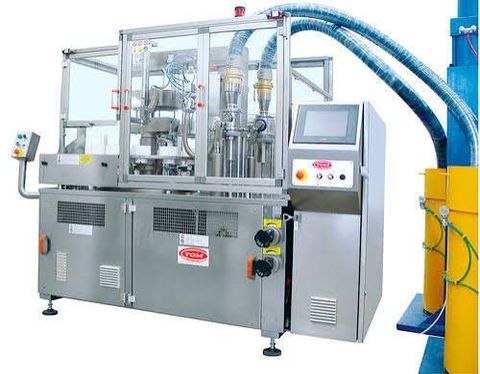
Modern industrial bottle filling systems can include conveyors, pumps, filling nozzles, sensors, control panels, container handling mechanisms, and inspection devices. An automatic bottle filling machine can coordinate several of these functions so that bottles move through a defined sequence with limited manual handling.
How Bottle Filling Works
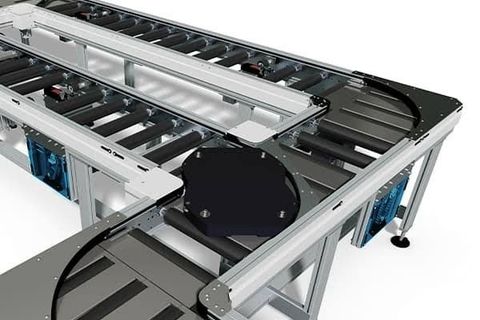
A typical filling process begins when empty bottles enter the equipment through an infeed conveyor or container handling mechanism. Sensors may detect bottle position and confirm that a container is correctly aligned before filling begins.
The filling mechanism then dispenses a predetermined quantity. Depending on the material, equipment may use piston fillers, pump-based systems, gravity filling, pressure filling, or other methods. After filling, bottles may move toward capping, labeling, inspection, or additional packaging stages.
A bottle filling and capping machine combines filling and closure operations within one coordinated setup. This arrangement can reduce the need to transfer containers manually between separate stages.
Types of Filling Systems
Different products require different filling approaches. A liquid bottle filling machine may be designed around the material's viscosity, foaming characteristics, temperature, container shape, and required fill volume.
Common categories include:
- Automatic liquid filling systems for repeatable liquid dispensing.
- Pharmaceutical bottle filling systems designed around controlled manufacturing environments.
- Sterile bottle filling systems used where contamination control is a critical requirement.
- Industrial liquid filling equipment for various production environments.
- Automated packaging filling systems that connect filling with downstream packaging operations.
The selection of equipment depends on the product characteristics, container format, production requirements, and applicable quality controls.
Importance
Bottle filling systems matter because filling is a fundamental stage in many packaged-product processes. The amount placed into each container affects product consistency, packaging operations, inventory control, and regulatory requirements in certain industries.
For consumers, filling technology is largely invisible, but it influences how packaged products are prepared and handled. In manufacturing environments, automated equipment can coordinate repeated filling cycles while collecting information about equipment activity and production conditions.
Consistency in Filling
Precision is an important consideration when a product needs a defined quantity in every container. Precision bottle filling equipment uses controlled dispensing mechanisms to regulate the volume delivered during each cycle.
High precision bottle filling equipment may use sensors, electronic controls, calibrated components, or feedback mechanisms. Actual performance depends on equipment design, material properties, calibration, maintenance, and operating conditions.
Integration With Packaging
Filling is rarely an isolated activity in a complete production line. Bottles may need to be cleaned, filled, capped, inspected, labeled, coded, and packed in a specific sequence.
Complete automated bottle filling systems can connect several of these stages. An automated bottle filling equipment setup may use conveyors and control systems to transfer containers between operations while coordinating machine timing.
Pharmaceutical Applications
Pharmaceutical filling equipment operates within additional quality and contamination-control requirements. Pharmaceutical bottle filling systems may incorporate controlled environments, validated procedures, specialized container handling, and monitoring systems.
Sterile bottle filling systems require particularly careful control of the filling environment and equipment surfaces. Regulatory requirements vary according to the product, process, facility, and jurisdiction, so equipment design and operating procedures must be aligned with applicable requirements.
Recent Updates
From 2024 through 2026, bottle filling technology has continued moving toward greater automation, digital monitoring, flexible production, and robotic handling. Packaging-industry research has identified automation, digital tools, flexibility, quality, sanitation, and regulatory alignment as important areas of development.
In pharmaceutical manufacturing, the development of flexible and automated aseptic systems has received particular attention. Recent industry discussions describe greater use of robotics, modular equipment, integrated process monitoring, and systems designed to reduce manual intervention in controlled environments.
Robotics and Flexible Equipment
Advanced bottle filling machinery is increasingly being designed around flexible production requirements. Modern robotic systems can perform container handling and other repetitive movements while working with sensors and automated controls.
This trend is particularly relevant to pharmaceutical applications, where different container formats and smaller production batches can create a need for adaptable equipment. Industry discussions have highlighted modular designs, robotic handling, ready-to-use components, and automated monitoring as areas of continuing development.
Digital Monitoring and Inspection
Automated systems can collect information about filling cycles, equipment conditions, and process events. Digital monitoring can help operators identify deviations and review production information.
AI-based inspection and fault-detection technologies are also being explored in pharmaceutical manufacturing. Recent industry material describes the use of artificial intelligence for automated visual inspection and process analysis, although these technologies still require appropriate validation and oversight.
Automation in Sterile Filling
Sterile filling continues to receive attention because reducing unnecessary human intervention can support contamination-control strategies. Recent technical discussions have examined robotic filling, isolators, restricted-access systems, automated decontamination, and environmental monitoring.
| Filling System Type | Typical Application | Main Consideration |
|---|---|---|
| Gravity filler | Low-viscosity liquids | Controlled liquid flow |
| Pump filler | Various liquid products | Pump and volume control |
| Piston filler | Liquids and thicker materials | Measured piston movement |
| Automatic filling line | High-volume production | Line coordination |
| Pharmaceutical filler | Regulated products | Process and quality controls |
| Sterile filling system | Controlled sterile processes | Contamination control |
Tools and Resources
Understanding bottle filling equipment often begins with process documentation. Flow diagrams, equipment manuals, filling-volume calculations, and production checklists can help explain how a system operates and how its individual components interact.
Equipment and Process Resources
Useful resources can include:
- Filling-volume worksheets for calculating container quantities.
- Equipment manuals describing operating principles and adjustment procedures.
- Process flow diagrams showing the movement of bottles through each stage.
- Preventive inspection checklists for recording equipment conditions.
- Changeover documentation for different bottle sizes and formats.
- Quality-control records for documenting filling and inspection results.
For industrial applications, technical documentation from equipment manufacturers and component suppliers can provide information about pumps, valves, sensors, controllers, and filling heads. Industry organizations such as PMMI and ISPE also publish educational material covering packaging machinery, pharmaceutical manufacturing, automation, and aseptic processing.
Software and Control Resources
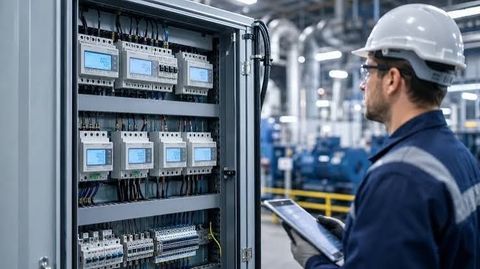
Modern industrial bottle filling systems may use programmable controllers, human-machine interfaces, sensors, data logging, and production monitoring software. These tools can help coordinate machine sequences and display operating information.
For pharmaceutical applications, electronic records and process monitoring may also form part of a broader quality system. The specific controls depend on the production environment and applicable regulatory framework.
FAQs
What are bottle filling systems?
Bottle filling systems are machines or integrated equipment arrangements used to dispense a defined quantity of material into bottles. They may operate manually, semi-automatically, or automatically depending on the process.
How does an automatic bottle filling machine work?
An automatic bottle filling machine typically detects incoming containers, positions them, dispenses a predetermined quantity, and transfers them to the next stage. Sensors and control systems coordinate these activities according to programmed operating parameters.
What is the difference between a bottle filling machine and bottle filling equipment?
A bottle filling machine generally refers to the main unit responsible for dispensing material into containers. Bottle filling equipment can refer more broadly to the machine and supporting components such as conveyors, pumps, sensors, controls, and container handling devices.
What are pharmaceutical bottle filling systems used for?
Pharmaceutical bottle filling systems are used to place pharmaceutical products into suitable containers under controlled manufacturing conditions. Their design may include specialized filling mechanisms, environmental controls, inspection systems, and documentation requirements.
What is a high speed bottle filling machine?
A high speed bottle filling machine is designed to process containers at a relatively high rate while maintaining the required filling sequence. Actual throughput depends on the product, container format, filling method, machine configuration, and operating conditions.
Conclusion
Bottle filling systems combine dispensing mechanisms, container handling, controls, and related packaging equipment to organize repeatable filling processes. Automatic liquid filling systems can be integrated with capping, inspection, labeling, and other packaging stages. From 2024 through 2026, automation, robotics, digital monitoring, flexible equipment, and contamination-control technologies have remained important areas of development, particularly in pharmaceutical filling. The appropriate system depends on product characteristics, container requirements, production conditions, and applicable quality and regulatory controls.

Related Post...
Precision Dosing Equipment: An Overview of Accurate Material Measurement
Updated: October 08, 2026
Read More
Automatic Labeling Systems: An Overview of Modern Labeling Technology
Updated: October 08, 2026
Read More
Thermal Barrier Coatings Guide to Heat Protection and Surface Performance
Updated: October 08, 2026
Read More