Ion Exchange Equipment for Efficient Water Treatment
Ion exchange equipment is used to remove or exchange selected dissolved ions in water and other liquid streams.
The technology relies on ion exchange resins that contain charged functional groups capable of exchanging ions as water passes through a treatment vessel.
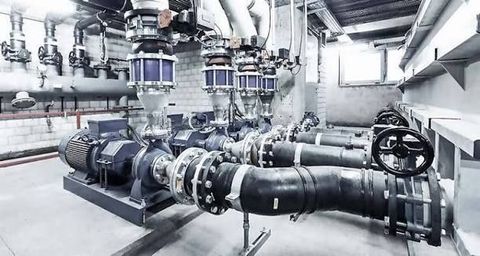
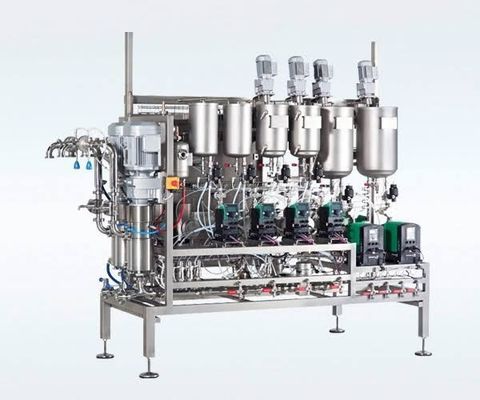
Industrial systems can be configured for water softening, demineralization, deionization, polishing, and other specialized treatment processes. Depending on the application, equipment may include resin vessels, valves, pumps, regeneration systems, chemical tanks, control panels, and monitoring instruments.
Why Ion Exchange Equipment Matters
Dissolved minerals and ions can affect water quality and industrial processes. Calcium and magnesium, for example, can contribute to hardness and scale formation, while other dissolved ions may interfere with boilers, cooling systems, manufacturing processes, or high-purity water applications.
Ion exchange water treatment provides a controlled method for selectively removing or replacing these ions. The process can be designed around the water chemistry and the required treated-water quality.
The appropriate system depends on feed-water composition, flow rate, target water quality, resin type, regeneration requirements, and operating conditions.
How Ion Exchange Equipment Works
Ion exchange systems generally operate through several stages.
1. Water Entry
Untreated water enters an ion exchange vessel containing a bed of resin beads. The vessel distributes water through the resin to maximize contact between the liquid and exchange sites.
2. Ion Exchange
As water passes through the resin, targeted ions are exchanged with ions already associated with the resin.
For example, a water softener can exchange calcium and magnesium ions for sodium ions. The specific exchange reaction depends on the resin chemistry and treatment objective.
3. Treated Water Collection
After passing through the resin bed, treated water exits the vessel. The system continues operating until the resin approaches its exchange capacity.
4. Regeneration
Once the resin becomes exhausted, a regeneration cycle restores its ion exchange capacity. Regeneration chemistry depends on the type of resin and treatment process.
The system may then undergo rinsing before returning to normal service.
Main Types of Ion Exchange Equipment
Water Softening Systems
Water softeners use cation exchange resin to reduce calcium and magnesium concentrations responsible for water hardness. They are commonly used to reduce scale formation in industrial water systems.
Demineralization Systems
Water demineralization equipment uses ion exchange processes to remove cations and anions from water. A typical system can include separate cation and anion exchange stages.
Mixed-Bed Systems
Mixed-bed ion exchange systems combine cation and anion exchange resins within a single vessel. They can provide highly treated water for applications requiring low dissolved-ion concentrations.
Specialized Ion Exchange Columns
Ion exchange columns can be designed to target particular ions or contaminants. Resin selection depends on the chemistry of the water and the required treatment objective.
Ion Exchange Equipment Comparison
| Equipment Type | Main Function | Typical Application |
|---|---|---|
| Water softener | Removes hardness ions | Industrial water systems |
| Cation exchanger | Removes or exchanges positively charged ions | Demineralization |
| Anion exchanger | Removes or exchanges negatively charged ions | Demineralization |
| Mixed-bed system | Combined ion removal | High-purity water |
| Specialized resin column | Selective ion removal | Specific treatment requirements |
Key Components of Ion Exchange Systems
Resin Vessel
The vessel contains the ion exchange resin and provides the main treatment zone. Its dimensions depend on flow rate, resin volume, and required contact time.
Ion Exchange Resin
Resin is the active treatment medium. Different resins are designed for cation exchange, anion exchange, selective ion removal, or specialized applications.
Distribution System
Internal distributors help spread water and regeneration chemicals evenly through the resin bed. Proper distribution helps maintain effective contact and reduces channeling.
Valves and Piping
Automated or manually controlled valves direct water and regeneration chemicals through different process stages, including service, backwash, regeneration, and rinse.
Regeneration System
Chemical storage and dosing equipment provide the regeneration chemicals required to restore resin capacity.
Control System
Modern ion exchange systems can use programmable controllers, sensors, flow meters, conductivity instruments, and automated valves to manage treatment cycles.
Factors Affecting Performance
Feed-Water Chemistry
The concentration and type of dissolved ions determine resin selection and treatment configuration. Water analysis is therefore an important part of system design.
Flow Rate
Flow rate affects contact between water and resin. Excessive flow can reduce treatment effectiveness, while very low flow can affect process economics and equipment utilization.
Resin Capacity
Each resin has a defined exchange capacity. The required resin volume depends on feed-water chemistry, flow, operating cycle, and regeneration strategy.
Regeneration Conditions
Regeneration chemical concentration, contact time, flow direction, and rinse conditions influence how effectively resin capacity is restored.
Water Quality Requirements
A system designed for hardness reduction has different requirements from one designed for high-purity water. The target treated-water quality determines the appropriate equipment configuration.
Automation and Monitoring
Modern industrial ion exchange equipment can include automated valves, conductivity sensors, flow meters, pressure monitoring, level sensors, and programmable controls.
Conductivity monitoring can help identify changes in treated-water quality and indicate when a resin bed may require regeneration. Automated sequencing can also coordinate service, backwash, regeneration, and rinse cycles.
Data logging can provide information about water usage, regeneration frequency, operating conditions, and equipment status.
Applications of Ion Exchange Equipment
Ion exchange systems are used across many industries.
- Power generation: Water treatment for boilers and related systems
- Pharmaceutical production: Purified-water applications
- Food and beverage processing: Selected water-treatment processes
- Chemical manufacturing: Process-water treatment
- Electronics manufacturing: High-purity water production
- Industrial utilities: Water softening and demineralization
- Laboratory facilities: Purified-water systems
The appropriate system depends on water chemistry and the specific quality requirements of each process.
Maintenance and Safety
Routine maintenance includes checking resin condition, valves, distributors, pumps, chemical dosing systems, instrumentation, and piping. Pressure differentials across resin vessels can also provide useful information about flow restrictions or fouling.
Regeneration chemicals may be corrosive, so appropriate storage, handling procedures, ventilation, protective equipment, and spill controls should be established according to the chemicals used.
Resin replacement intervals depend on operating conditions and resin condition rather than a single universal schedule.
Frequently Asked Questions
What is ion exchange equipment?
Ion exchange equipment uses specialized resin materials to exchange selected dissolved ions in water or other liquid streams. It is used for softening, demineralization, deionization, and selective treatment.
What is ion exchange resin?
Ion exchange resin consists of small polymer-based beads containing charged functional groups. These groups allow specific ions in water to be exchanged with ions associated with the resin.
What is the difference between softening and demineralization?
Water softening primarily reduces calcium and magnesium ions responsible for hardness. Demineralization uses cation and anion exchange processes to remove a broader range of dissolved ions.
How often does ion exchange resin need regeneration?
Regeneration frequency depends on feed-water chemistry, resin capacity, flow rate, operating cycle, and treatment requirements. It is generally determined by the amount of ion-loading the resin receives.
Can ion exchange systems be automated?
Yes. Industrial systems can incorporate automated valves, sensors, programmable controllers, conductivity monitoring, flow measurement, and automatic regeneration sequences.
Conclusion
Ion exchange equipment provides a controlled method for managing dissolved ions in industrial water and liquid streams. Water softeners, cation and anion exchangers, mixed-bed systems, and specialized resin columns can be configured for different treatment objectives.
System selection should consider feed-water chemistry, flow rate, resin characteristics, regeneration requirements, treated-water specifications, and automation needs. Proper monitoring and maintenance help maintain stable treatment performance and protect downstream industrial processes.

Related Post...
Rotary Cartridge Filling: An Overview of Filling Systems and Applications
Updated: October 09, 2026
Read More
Electromagnetic Positioning System: An Overview of Modern Positioning Technology
Updated: October 09, 2026
Read More