Liquid Oxygen Systems: An Overview of Storage, Handling, and Applications
Liquid oxygen systems are engineered arrangements used to produce, store, transfer, and manage oxygen in liquid form.
Liquid oxygen is created by cooling oxygen to a very low temperature until it changes from a gas into a liquid. Because liquid oxygen occupies much less space than gaseous oxygen, it can be stored in specially designed vessels for applications that require substantial quantities of oxygen.
Liquid oxygen equipment includes insulated vessels, transfer lines, valves, pressure-control components, monitoring instruments, and related safety systems. These components work together to maintain appropriate temperature and pressure conditions while limiting unwanted heat transfer from the surrounding environment.
Liquid oxygen storage systems are used in industrial facilities, healthcare environments, research facilities, aerospace operations, and other settings where oxygen availability needs to be managed. The design of each system depends on factors such as storage capacity, oxygen demand, operating conditions, site layout, and applicable safety requirements.
Understanding Cryogenic Oxygen
Liquid oxygen is classified as a cryogenic liquid because it exists at extremely low temperatures. Cryogenic oxygen systems therefore require materials and components that can function under these conditions.
Liquid oxygen tanks are commonly constructed with insulated walls that reduce heat entering the vessel. Even with insulation, some heat transfer occurs, causing a small amount of liquid oxygen to evaporate into gas. This phenomenon is known as boil-off and is considered during system design.
Main Components of Storage Systems
Liquid oxygen storage tanks generally form the central part of a storage arrangement. Other components may include:
- Pressure-relief devices for managing excessive pressure.
- Valves and piping for controlled movement of oxygen.
- Level gauges for monitoring the quantity of liquid.
- Pressure instruments for observing vessel conditions.
- Insulation systems for reducing heat transfer.
- Vaporization equipment for converting liquid oxygen back into gaseous oxygen when required.
Industrial oxygen equipment can also include filtration, monitoring, control, and distribution components depending on the application.
Importance
Liquid oxygen systems are important because some facilities require oxygen in quantities that would be difficult to manage using only compressed gas cylinders. Storing oxygen as a liquid can allow substantial quantities to be held in a comparatively compact arrangement.
Industrial liquid oxygen systems are used in areas such as metal processing, chemical production, water treatment, aerospace activities, research, and healthcare. The specific requirements vary considerably between applications.
Supporting Large-Scale Oxygen Requirements
Liquid oxygen supply systems can provide a controlled source of oxygen for facilities with continuous or substantial demand. Oxygen may be converted from liquid into gas through a vaporizer before entering a distribution network.
High capacity liquid oxygen storage can therefore be associated with facilities where oxygen consumption varies throughout the day or where a consistent supply arrangement is required. Storage capacity and replenishment schedules are normally determined by the facility's operating requirements.
Handling and Safety Considerations
Oxygen supports combustion, so contact between oxygen and combustible materials requires careful control. Cryogenic liquids can also cause severe cold injuries when they contact skin or unsuitable materials.
Important considerations include:
- Keeping combustible materials away from oxygen equipment.
- Using materials compatible with oxygen and cryogenic temperatures.
- Preventing oil and grease contamination of oxygen-handling components.
- Providing suitable ventilation in relevant areas.
- Monitoring pressure and liquid levels.
- Using appropriate protective equipment during authorized handling activities.
- Following applicable installation, inspection, and operating requirements.
These considerations apply particularly to industrial cryogenic oxygen systems, where large quantities of liquid oxygen may be present.
Storage Compared With Compressed Oxygen
Liquid oxygen and compressed gaseous oxygen use different storage approaches. Liquid oxygen requires cryogenic temperatures, while compressed oxygen is maintained as a gas at elevated pressure.
| Characteristic | Liquid Oxygen | Compressed Oxygen Gas |
|---|---|---|
| Physical state | Cryogenic liquid | Gas |
| Storage condition | Very low temperature | Elevated pressure |
| Main vessel type | Insulated cryogenic vessel | Pressure vessel or cylinder |
| Heat management | Important | Generally not the primary issue |
| Typical consideration | Boil-off and pressure control | Pressure management |
| Distribution | Often vaporized before use | Already gaseous |
The appropriate arrangement depends on the quantity required, operating environment, infrastructure, and safety requirements.
Recent Updates
Between 2024 and 2026, development in oxygen storage has generally focused on improved monitoring, system integration, energy management, and equipment reliability. Digital instrumentation is increasingly being incorporated into industrial and commercial environments to provide more information about storage conditions.
Digital Monitoring and Automation
Modern oxygen cryogenic storage systems can incorporate electronic sensors that monitor variables such as pressure, temperature, and liquid level. Data from these instruments may be displayed through centralized control systems.
Automation can also support alarm functions when operating conditions move outside predefined ranges. Such systems are designed around specific engineering requirements and do not eliminate the need for appropriate human oversight.
Improved Insulation and System Integration
Cryogenic liquid oxygen equipment continues to use insulation technologies intended to reduce unwanted heat transfer. Better thermal management can help control evaporation and maintain stable storage conditions.
Advanced liquid oxygen systems may also integrate storage, vaporization, monitoring, and distribution components into a coordinated installation. The degree of integration varies according to facility requirements.
Expanding Industrial and Commercial Applications
Industrial oxygen storage equipment continues to support applications where oxygen is used as part of a larger process. Commercial liquid oxygen systems may also be found in facilities that require structured oxygen storage and distribution.
Liquid oxygen production systems are another part of the broader oxygen infrastructure. These systems can separate oxygen from air through industrial gas-processing methods, after which the oxygen may be stored as a cryogenic liquid.
Tools and Resources
Understanding liquid oxygen systems often requires information from technical documentation, safety organizations, engineering references, and equipment standards. Because cryogenic oxygen involves specialized hazards, technical resources should be interpreted within the context of the applicable facility and regulations.
Planning and Reference Tools
Useful resources for learning about oxygen storage can include:
- Cryogenic vessel specifications for understanding storage characteristics.
- Pressure and temperature reference tables for studying oxygen behavior.
- Process flow diagrams for understanding movement between storage and distribution stages.
- Safety checklists for identifying common handling considerations.
- Technical standards covering pressure vessels, cryogenic systems, and oxygen-compatible materials.
- Manufacturer documentation for understanding component operating limits.
Oxygen saturation and thermodynamic reference tables can also help readers understand how temperature and pressure relate to cryogenic oxygen. These references are educational tools rather than substitutes for qualified engineering assessment.
System Monitoring Resources
Digital monitoring platforms can collect information from sensors installed around storage and distribution equipment. Depending on the system architecture, these platforms may track pressure, temperature, liquid level, and alarm conditions.
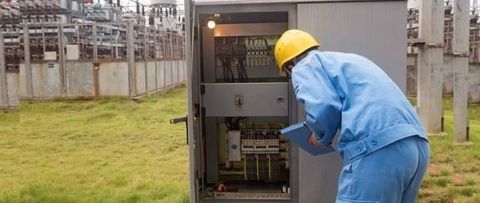
Industrial oxygen equipment may also incorporate control panels that allow authorized personnel to observe operating information. Documentation and training materials are important for understanding the meaning of alarms and instrument readings.
FAQs
What are liquid oxygen systems used for?
Liquid oxygen systems are used to store, transfer, vaporize, and distribute oxygen for applications requiring substantial quantities. They are found across industrial, healthcare, research, aerospace, and other specialized environments.
How do liquid oxygen storage systems work?
Liquid oxygen storage systems keep oxygen at cryogenic temperatures inside insulated vessels. When oxygen is required as a gas, a vaporization stage can convert the liquid into gaseous oxygen before distribution.
What are liquid oxygen tanks made for?
Liquid oxygen tanks are designed specifically for cryogenic storage. Their construction typically includes materials and insulation systems selected to withstand very low temperatures and the pressures associated with the storage process.
What makes cryogenic oxygen systems different from ordinary gas storage?
Cryogenic oxygen systems must maintain oxygen at a very low temperature so it remains liquid. They therefore require specialized insulation, pressure management, compatible materials, and controls that differ from conventional compressed-gas storage.
What are industrial liquid oxygen systems used for?
Industrial liquid oxygen systems can support processes that require substantial oxygen quantities, including certain manufacturing, chemical, metal-processing, water-treatment, and research applications. System configuration depends on the process and operating requirements.
Conclusion
Liquid oxygen systems provide a method for storing and managing oxygen in cryogenic liquid form. Their main components include insulated storage vessels, pressure-control equipment, piping, valves, monitoring instruments, and vaporization equipment. Current developments increasingly involve digital monitoring, improved thermal management, and integration between storage and distribution systems. Safe operation depends on suitable equipment, controlled handling procedures, appropriate materials, and compliance with applicable technical requirements.

Related Post...
Industrial Packaging Equipment: An Overview of Modern Packaging Systems
Updated: October 24, 2026
Read More
Industrial Metering Equipment: An Overview of Measurement Systems
Updated: October 24, 2026
Read More
Automated Production Systems: An Overview of Modern Manufacturing Methods
Updated: October 24, 2026
Read More