Robotic Case Packing Systems: Types, Components, and Uses
Robotic case packing systems are automated packaging systems that use robotic equipment to place products into cartons, cases, trays, or other containers.
They can handle repetitive packing operations while coordinating product movement, case positioning, product arrangement, and packaging-line control.
These systems are used across food and beverage, pharmaceuticals, consumer goods, personal care, electronics, and industrial manufacturing. System configurations vary according to product shape, package dimensions, case size, production speed, and required packing pattern.
What Are Robotic Case Packing Systems?
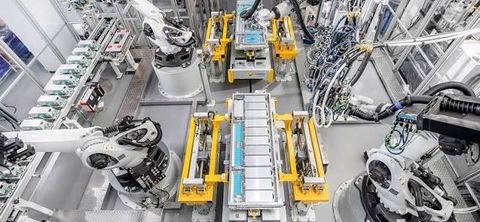
Robotic case packing systems combine industrial robots with conveyors, product handling equipment, case-forming equipment, sensors, grippers, and control software.
The robot receives products from an upstream conveyor, identifies or receives their position information, picks them using an appropriate end-of-arm tool, and places them into a case according to a programmed arrangement.
A complete system can also include case erection, case closing, labeling, inspection, and palletizing equipment.
Types of Robotic Case Packing Systems
Top-Load Robotic Case Packers
Top-load systems place products vertically into open cases from above.
They are commonly used when products need to be arranged in defined layers or patterns. Robotic arms can change the placement sequence according to the programmed case configuration.
Side-Load Robotic Case Packers
Side-load systems insert products horizontally into cases.
They can be suitable for cartons, containers, packaged goods, and products that are easier to position from the side.
Pick-and-Place Robotic Packers
Pick-and-place systems use robotic arms to collect individual products or groups of products and transfer them into cases.
The robot can be programmed for different product arrangements and case patterns.
Delta Robot Case Packing Systems
Delta robots are lightweight, high-speed robotic systems designed for rapid pick-and-place operations.
They can be integrated with vision systems and conveyor tracking when products arrive at high rates or in changing positions.
Collaborative Robotic Case Packing Systems
Collaborative robots, or cobots, are designed for applications where robots and people may work within the same general production area under defined safety conditions.
They can be used for selected case-packing tasks where flexibility and frequent product changes are important.
Main Components of Robotic Case Packing Systems
| Component | Main Function |
|---|---|
| Industrial robot | Picks and places products |
| Robotic controller | Coordinates robot movements |
| End-of-arm tool | Grips or holds products |
| Product conveyor | Transfers products to the packing area |
| Case conveyor | Moves cases through the system |
| Case erector | Forms flat cases into open containers |
| Vision system | Detects product position and orientation |
| Sensors | Detect product and case presence |
| PLC | Coordinates equipment functions |
| HMI | Allows operators to monitor and control the system |
| Case sealer | Closes and seals packed cases |
| Safety system | Controls access and machine protection |
How Robotic Case Packing Systems Work
1. Product Feeding
Products arrive at the packing station through an upstream conveyor.
Sensors or vision equipment can detect product presence, position, orientation, and spacing.
2. Case Preparation
Cases are formed and positioned before products are loaded.
A case erector can open flat cartons and prepare them for packing. Depending on the system, cases may be supplied manually or automatically.
3. Product Identification
Sensors or vision cameras can identify product positions and determine whether products are correctly oriented.
This information can be sent to the robot controller.
4. Robotic Picking
The robot moves its end-of-arm tool toward the product.
The gripper picks a single product or a group of products, depending on the packing configuration.
5. Product Placement
The robot moves the products to the open case and places them according to the programmed packing pattern.
Patterns may include rows, columns, layers, or other arrangements designed around the product and case dimensions.
6. Case Closing
Once the required quantity of products has been loaded, the packed case moves to the closing or sealing stage.
Flaps can be folded and sealed using adhesive, tape, or another appropriate closure method.
7. Inspection and Transfer
Sensors or vision systems can inspect case presence, product arrangement, labels, or closure conditions.
Completed cases then move to downstream processes such as checkweighing, labeling, storage, or palletizing.
Robotic Grippers Used for Case Packing
The end-of-arm tool is an important part of a robotic case packing system because it directly handles the product.
Vacuum Grippers
Vacuum grippers use suction to pick products with suitable surfaces.
They can handle cartons, bags, containers, and other products when an appropriate vacuum seal can be established.
Mechanical Grippers
Mechanical grippers use fingers, clamps, or other mechanisms to hold products.
They can be configured for individual products or groups of products.
Magnetic Grippers
Magnetic grippers can be used for suitable ferromagnetic components and products.
Their application depends on product material and handling requirements.
Multi-Product Grippers
Multi-product tools can pick several products simultaneously.
This approach can reduce the number of robot movements required for particular case patterns.
Vision Systems and Sensors
Vision systems can improve the robot's ability to identify product location and orientation.
A camera captures images while software analyzes the information to determine product position. The robot can then adjust its movement accordingly.
Sensors can also detect:
- Product presence
- Case position
- Conveyor movement
- Case height
- Product spacing
- Gripper position
- Case completion
The specific sensors and vision technologies depend on the system configuration.
Applications of Robotic Case Packing Systems
Food and Beverage Packaging
Robotic case packers can handle packaged foods, bottles, cans, cartons, pouches, and other food and beverage products.
Pharmaceutical Packaging
Pharmaceutical production lines can use robotic packing for cartons, containers, medical products, and other packaged items.
The system configuration must account for product handling, cleanliness, traceability, and packaging requirements.
Personal Care Products
Products such as bottles, tubes, cartons, and containers can be grouped and placed into shipping cases.
Consumer Goods
Robotic case packing can handle packaged household products, electronics accessories, packaged goods, and other consumer products.
Industrial Products
Small components, containers, parts, and packaged industrial products can be automatically arranged inside cases.
Benefits of Robotic Case Packing
Robotic systems can provide several operational characteristics:
- Repeatable product placement
- Programmable packing patterns
- Reduced repetitive manual handling
- Flexible product changeovers
- Integration with conveyor systems
- Automated case handling
- Digital process monitoring
- Consistent case arrangements
The actual performance depends on robot type, product characteristics, gripper design, case configuration, and production conditions.
Automation and Control Systems
Robotic case packing systems commonly use programmable logic controllers, robot controllers, sensors, and human-machine interfaces.
The PLC can coordinate conveyors, case handling, sensors, and communication with other packaging equipment. The robot controller manages movement paths, picking sequences, and placement positions.
An HMI can provide information about machine status, alarms, production settings, and selected operating parameters.
Modern systems can also communicate with upstream and downstream equipment to coordinate the overall packaging line.
Changeover and Product Flexibility
Many packaging facilities handle multiple product sizes and case formats. Robotic systems can accommodate product changes through programmed recipes and adjustable tooling.
A changeover may involve:
- Selecting a new robot program
- Adjusting conveyor guides
- Changing the gripper
- Updating case dimensions
- Modifying packing patterns
- Adjusting sensor positions
The extent of manual adjustment depends on the equipment design and number of product formats.
Factors to Consider When Selecting a Robotic Case Packing System
Several factors should be evaluated before configuring a system.
Product Characteristics
Product dimensions, weight, shape, surface material, and fragility affect gripper and robot selection.
Case Dimensions
Case length, width, height, and material influence the required packing pattern and robot reach.
Production Rate
The required number of cases or products per minute affects robot type, gripper design, conveyor speed, and system layout.
Packing Pattern
Products may need to be arranged in specific rows or layers. The robot and end-of-arm tool should support the required pattern.
Product Changeovers
Facilities handling multiple products may require flexible tooling and programmable recipes.
Integration
The case packing system may need to communicate with conveyors, case erectors, case sealers, inspection systems, palletizers, and production control systems.
Maintenance Requirements
Regular maintenance helps keep robotic case packing systems operating consistently.
Important maintenance areas include robot joints, grippers, vacuum components, conveyor belts, sensors, cables, pneumatic components, and case-handling mechanisms.
Operators and maintenance personnel should also inspect tooling for wear and check that sensors remain correctly positioned.
Software backups and inspection of robot programs can help preserve configured packing routines.
Safety Considerations
Robotic equipment contains moving arms, conveyors, grippers, and automated mechanisms that can create pinch, impact, and entanglement hazards.
Safety systems can include:
- Physical guarding
- Interlocked access doors
- Emergency-stop devices
- Safety scanners
- Light curtains
- Controlled robot operating zones
- Warning indicators
Collaborative robot installations require application-specific risk assessment because the safety characteristics depend on the robot, tool, product, speed, workspace, and operating conditions.
FAQs
What are robotic case packing systems?
Robotic case packing systems use industrial robots and automated handling equipment to place products into cartons, cases, trays, or other containers according to programmed packing patterns.
What types of robots are used for case packing?
Industrial articulated robots, delta robots, and collaborative robots can be used depending on product characteristics, production rate, workspace, and packing requirements.
What is an end-of-arm tool?
An end-of-arm tool is the device attached to the robot wrist that physically grips or holds products during the packing process.
Can robotic case packing systems handle different products?
Yes. Many systems can handle multiple products through programmable recipes, adjustable tooling, different grippers, and configurable packing patterns.
How do vision systems help robotic case packing?
Vision systems can identify product position, orientation, spacing, and other characteristics so the robot can adjust its picking and placement movements.
Conclusion
Robotic case packing systems combine robots, conveyors, grippers, sensors, controls, and case-handling equipment to automate product placement into shipping cases and other containers. Top-load, side-load, pick-and-place, delta robot, and collaborative configurations can be selected according to application requirements.
The main factors influencing system design include product characteristics, case dimensions, packing patterns, production rate, changeover requirements, and integration with other packaging equipment. Proper gripper selection, accurate sensing, programmed robot movements, maintenance, and safety controls are important parts of a reliable robotic case packing process.

Related Post...

Bottle Filling Systems Guide to Automated Production and Packaging Methods
Updated: October 12, 2026
Read More
Precision Dosing Equipment: An Overview of Accurate Material Measurement
Updated: October 09, 2026
Read More