Rotary Cartridge Filling: An Overview of Filling Systems and Applications
Rotary cartridge filling is a manufacturing process used to place measured quantities of a liquid, semi-liquid, or other suitable material into cartridges.
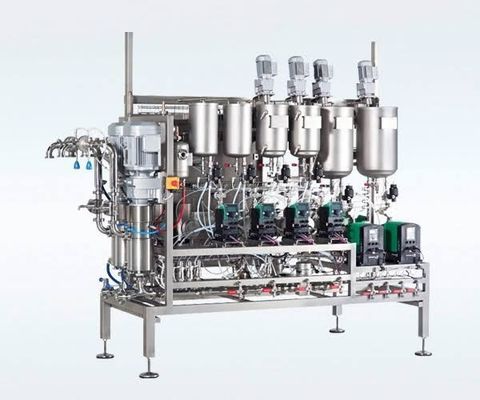
A rotary cartridge filling machine uses a rotating mechanism to move cartridges through several processing positions, allowing activities such as container loading, filling, inspection, and discharge to occur in a coordinated sequence.
The concept developed from the broader use of rotary filling machine technology in packaging and manufacturing. As production processes became more automated, rotary systems were adapted for cartridge formats used in pharmaceutical, medical, industrial, cosmetic, and other applications. The exact configuration depends on the cartridge design, material being filled, required volume, cleanliness conditions, and production process.
A typical rotary cartridge filling system may contain stations for cartridge placement, positioning, filling, closure preparation, inspection, and removal. Some systems also include sensors and control software that monitor individual process steps.
How Rotary Cartridge Filling Works
A rotary filling machine generally moves cartridges around a circular path. At different positions, individual operations are performed in a defined order.
A simplified process can include:
- Cartridge loading: Empty cartridges are introduced into the filling system.
- Positioning: Cartridges are aligned and held in place.
- Filling: A controlled mechanism dispenses a specified quantity of material.
- Inspection: Sensors or operators may check selected characteristics.
- Closing: Appropriate components may be installed to protect the filled contents.
- Discharge: Completed cartridges leave the processing area for subsequent handling.
The filling mechanism can vary according to the physical properties of the material. Pump-based, piston-based, time-pressure, and other metering approaches may be used depending on the application.
Types of Cartridge Filling Equipment
Cartridge filling equipment can range from manually assisted machines to highly automated production systems. A cartridge filling machine intended for industrial materials may have different requirements from pharmaceutical cartridge filling equipment.
An automatic cartridge filling machine can coordinate several operations with limited manual handling. In pharmaceutical environments, an aseptic cartridge filling machine may be designed around controlled environmental conditions and procedures intended to reduce contamination risks.
Importance
Cartridge filling affects how accurately and consistently materials are placed into individual containers. This is particularly relevant when each cartridge must contain a defined quantity or when the material has specific handling requirements.
Pharmaceutical filling systems, for example, operate within controlled manufacturing environments where cleanliness, process monitoring, documentation, and container integrity are important considerations. Industrial cartridge filling systems may instead focus on handling materials with different viscosities, densities, or dispensing characteristics.
Accuracy and Consistency
Precision cartridge filling equipment is designed to control the amount of material transferred into each cartridge. Consistent filling depends on several factors, including the filling mechanism, material properties, temperature, container dimensions, and machine settings.
Viscosity can have a significant effect on filling behavior. A thick material may require different dispensing parameters from a low-viscosity liquid. Changes in temperature can also affect how easily a material moves through the filling mechanism.
Cleanliness and Contamination Control
Sterile cartridge filling systems require carefully controlled manufacturing conditions. Equipment design may include enclosed processing areas, cleanable surfaces, controlled material paths, and procedures for maintaining the required environment.
Aseptic processing involves preventing contamination during handling rather than relying only on a final treatment step. The specific requirements depend on the product, regulatory framework, facility design, and manufacturing process.
Production Coordination
Automated cartridge filling equipment can connect filling with other production stages. This may reduce the need to move partially processed cartridges between separate work areas.
Automated pharmaceutical filling systems can also incorporate monitoring and recording functions. These features help document process parameters and identify deviations that may require investigation.
| System Type | Typical Focus | Common Considerations |
|---|---|---|
| Manual filling setup | Small-scale or assisted operations | Operator involvement, measurement |
| Semi-automatic system | Repetitive filling with some manual steps | Throughput, handling, controls |
| Automatic cartridge filling machine | Coordinated filling operations | Metering, sensors, process control |
| Rotary cartridge filling system | Multiple sequential stations | Synchronization, positioning, inspection |
| Aseptic cartridge filling machine | Controlled sterile processing | Environmental control, contamination prevention |
Recent Updates
Between 2024 and 2026, cartridge filling technology has continued moving toward greater automation, digital monitoring, flexible production formats, and improved process traceability. These developments are part of a wider movement toward connected manufacturing in pharmaceutical and industrial environments.
Automation and Digital Monitoring
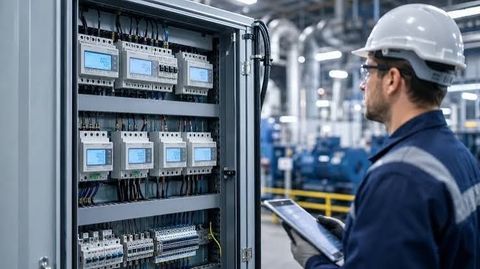
Advanced rotary cartridge filling systems increasingly incorporate electronic controls, sensors, and operator interfaces. These systems can monitor factors such as filling position, machine status, cycle conditions, and selected process parameters.
Data collection can help manufacturers review production events and identify variations. The usefulness of digital monitoring depends on sensor quality, system configuration, data management, and appropriate interpretation.
Flexible Production
Manufacturers may need equipment that can handle different cartridge sizes or production configurations. Modern automated cartridge production systems can therefore include adjustable components and programmable controls.
Changeover procedures remain an important consideration. Components that contact the material may need appropriate cleaning, replacement, or adjustment when production requirements change.
Pharmaceutical Processing
Advanced pharmaceutical cartridge filling equipment continues to emphasize controlled environments, contamination prevention, container integrity, and documented process controls. Sterile cartridge filling systems may integrate environmental monitoring and specialized handling arrangements.
Regulatory expectations can vary by jurisdiction and application. Pharmaceutical manufacturers must therefore design and operate equipment according to applicable requirements rather than relying solely on general machine specifications.
Tools and Resources
Several tools and resources can help readers understand rotary cartridge filling and the factors involved in selecting or evaluating a filling process.
Technical Documentation
Machine manuals, equipment specifications, process diagrams, and maintenance documentation explain how particular filling systems operate. Technical drawings can also show cartridge dimensions, filling stations, material paths, and machine interfaces.
Useful documentation may include:
- Cartridge dimensional drawings.
- Filling-volume specifications.
- Material viscosity information.
- Equipment operating manuals.
- Cleaning and changeover procedures.
- Process monitoring records.
- Quality-control checklists.
Measurement and Process Tools
Precision scales, calibrated measuring equipment, viscosity measurement instruments, and inspection devices can be used during process development or quality checks. Their suitability depends on the material and application.
For pharmaceutical environments, environmental monitoring equipment and documented procedures can form part of controlled manufacturing operations. Such tools should be selected and used according to the applicable process and regulatory requirements.
Digital Resources
Manufacturing organizations can use process-mapping templates to document cartridge movement from loading through discharge. Equipment databases, technical standards, regulatory publications, and educational manufacturing resources can also provide background information.
Process simulation and digital monitoring platforms may help analyze production sequences before changes are introduced to physical equipment. The specific capabilities vary between platforms.
FAQs
What is rotary cartridge filling?
Rotary cartridge filling is a process in which cartridges move through multiple stations arranged around a rotating system. Filling and related operations are performed in a coordinated sequence.
How does a rotary cartridge filling machine work?
A rotary cartridge filling machine positions cartridges at different stations where operations such as loading, metering, filling, inspection, and closing can take place. Sensors and control systems may coordinate the sequence.
What is the difference between a cartridge filling machine and a rotary filling machine?
A cartridge filling machine is designed specifically for cartridge-based containers, while a rotary filling machine describes equipment that uses a rotating arrangement of stations. A rotary machine can therefore be configured for cartridge filling or other container formats.
What are sterile cartridge filling systems used for?
Sterile cartridge filling systems are used when the manufacturing process requires controlled conditions designed to reduce microbial and particulate contamination. Their configuration depends on the product and applicable manufacturing requirements.
What factors affect precision cartridge filling equipment?
Filling accuracy can be influenced by the dispensing mechanism, material properties, cartridge dimensions, temperature, machine settings, and process controls. Regular measurement and process verification are important for understanding variation.
Conclusion
Rotary cartridge filling combines controlled material dispensing with a rotating sequence of manufacturing stations. Its applications range from industrial cartridge filling systems to pharmaceutical and aseptic production environments, with equipment configurations varying according to material and process requirements. Recent developments have emphasized automation, digital monitoring, flexible production, and process traceability. Understanding the filling mechanism, cartridge characteristics, cleanliness requirements, and control systems provides useful context for understanding modern cartridge production.

Related Post...
Product Identification Systems: An Overview of Modern Identification Methods
Updated: October 24, 2026
Read More
Electromagnetic Positioning System: An Overview of Modern Positioning Technology
Updated: October 24, 2026
Read More