Single Board Computers Overview: Key Features and Practical Applications
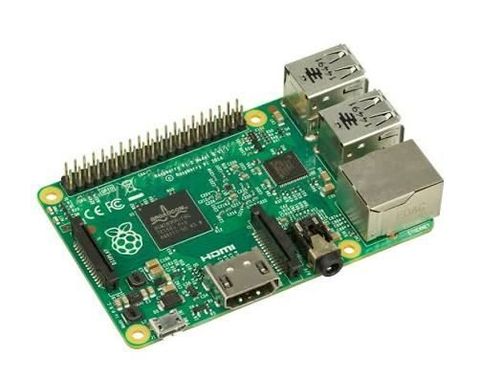
Single board computers (SBCs) are compact computing systems built on a single circuit board.
They typically combine a processor, memory, storage interfaces, communication ports, and other essential components into one unit. These computers are used in industrial equipment, automation systems, embedded devices, digital displays, monitoring applications, and educational projects.
The development of single board computers grew from the need for smaller, integrated computing hardware. Traditional desktop computers use multiple components and larger enclosures, while an SBC brings many computing functions together on one board. This compact design can simplify integration into machines and devices where space, power consumption, and physical dimensions are important considerations.
Today, embedded single board computers are used in applications that require a dedicated computing platform. Industrial single board computer manufacturers develop boards for different operating conditions, processor requirements, communication standards, and installation environments. Their designs may support continuous operation, equipment monitoring, data collection, and control of connected devices.
How Single Board Computers Work
A single board computer operates like a small computer, using a processor to execute instructions and memory to hold active data. Depending on the design, it may run Linux, another operating system, or specialized embedded software.
The board communicates with external equipment through interfaces such as USB, Ethernet, serial ports, GPIO pins, and display connections. Some models also support wireless communication, storage expansion, or specialized industrial interfaces.
Common Types of Single Board Computers
Different SBC categories are designed for different technical requirements.
ARM based single board computers use processors built around the ARM architecture and are common in embedded applications requiring compact computing.
Embedded single board computers are designed for integration into dedicated devices and electronic systems.
Rugged single board computers for industrial use may include components and layouts intended to withstand vibration, temperature variation, or other demanding conditions.
High performance embedded computing boards provide greater processing capacity for applications involving complex calculations, image processing, or multiple data streams.
Fanless industrial single board computers use passive cooling designs that transfer heat without a dedicated cooling fan, where the processor's thermal requirements permit this approach.
The appropriate type depends on the intended workload, operating environment, available interfaces, and software requirements.
Importance
Single board computers play an important role in modern computing because many machines need local processing without requiring a full-sized computer. They can collect sensor readings, process information, communicate with other devices, and execute control instructions within a compact hardware platform.
These capabilities are relevant to manufacturing facilities, transportation systems, building management, medical equipment, and environmental monitoring. For example, an industrial monitoring unit may use an SBC to collect temperature readings and send the information to a central monitoring system.
Applications in Industrial Automation
Single board computers for automation systems can support machine monitoring, production data collection, equipment interfaces, and communication between connected devices. They may operate alongside programmable logic controllers (PLCs), sensors, and industrial networks.
An SBC can process data locally before transmitting it to another system. This arrangement can reduce unnecessary data transfers and support timely responses, although performance depends on the hardware, software, and network configuration.
Compact Computing and Energy Management
Compact boards are useful when computing hardware must fit inside a machine enclosure or an electronic instrument. Their integrated layout can reduce the physical space needed for a dedicated computing platform.
Power requirements vary according to the processor, connected peripherals, memory, and workload. ARM based single board computers may be suitable for applications with limited power budgets, but actual consumption depends on the complete system rather than the processor architecture alone.
Reliability and Operating Conditions
Industrial environments may expose electronic equipment to dust, vibration, electrical interference, and temperature changes. Rugged single board computers for industrial use may be designed with suitable components, connectors, mounting arrangements, and thermal management.
However, industrial suitability is not determined by appearance or board size alone. Environmental ratings, operating temperature ranges, component specifications, and installation requirements must be considered together.
Key Features to Compare
The following table summarizes important characteristics when evaluating SBC designs.
| Feature | Purpose | Practical Consideration |
|---|---|---|
| Processor | Executes instructions | Match computing capacity to workload |
| Memory | Holds active programs and data | Check application requirements |
| Storage | Retains software and information | Consider capacity and endurance |
| Connectivity | Links external equipment | Verify required interfaces |
| Operating temperature | Defines supported thermal conditions | Match the installation environment |
| Cooling design | Manages processor heat | Check workload and enclosure conditions |
| Operating system | Runs applications | Confirm software compatibility |
| Expansion options | Adds functions or peripherals | Check physical and electrical compatibility |
Recent Updates
From 2024 through 2026, single board computer development has continued to reflect wider trends in embedded computing, edge processing, artificial intelligence, and industrial connectivity. Newer designs may combine more capable processors, improved communication interfaces, and hardware acceleration within compact formats.
These developments do not mean every board supports every modern application. Performance, compatibility, and environmental suitability continue to vary by model and configuration.
Growth of Edge Computing
Edge computing involves processing information near the equipment or location where it is generated rather than sending all data to a distant server. Embedded single board computers can support this approach by analyzing sensor readings, filtering information, or running local applications.
In manufacturing, local processing may help identify unusual machine conditions or organize production data. Applications requiring complex AI models may need dedicated accelerators, additional memory, or specialized processors.
AI and High Performance Embedded Computing Boards
High performance embedded computing boards are increasingly relevant to applications involving computer vision, image analysis, robotics, and local data interpretation. Some designs include graphics processing units or neural processing units to accelerate selected calculations.
The practical capabilities depend on the processor architecture, memory bandwidth, software framework, and available power. Developers must also consider heat generation and whether the intended application can run within the board's computational limits.
Industrial Connectivity and Long-Term Compatibility
Modern embedded systems increasingly interact with Ethernet networks, wireless devices, industrial protocols, and cloud-connected platforms. Industrial computer board suppliers may provide different combinations of interfaces to accommodate these requirements.
Long-term compatibility remains important in industrial installations because equipment can remain in operation for extended periods. Processor availability, operating system support, firmware maintenance, and component changes can influence the overall design lifecycle.
Custom Single Board Computer Design
Custom single board computer design is used when standard boards do not meet particular requirements for dimensions, connectors, processor selection, power input, or specialized interfaces. A custom design may simplify integration into a specific machine, but it also introduces additional engineering, testing, and maintenance considerations.
Environmental testing, electrical validation, software compatibility, and thermal analysis are important parts of the development process. These checks help determine whether the board is suitable for its intended operating conditions.
Tools and Resources
Several technical resources can help users understand, compare, and integrate single board computers. The appropriate resources depend on whether the task involves selecting hardware, developing software, or connecting a board to industrial equipment.
Hardware Documentation and Development Tools
Processor documentation, board datasheets, hardware reference manuals, and interface specifications explain supported features and limitations. These documents can help clarify processor performance, memory capacity, power requirements, connector pinouts, and operating temperature ranges.
Software development tools also play an important role. Common resources include Linux development environments, cross-compilers, debugging tools, device drivers, and hardware testing utilities. Compatibility between the operating system and the board should be checked before implementation.
Industrial Integration Resources
Industrial SBC suppliers and industrial computer board suppliers may publish technical documentation describing supported interfaces, environmental ratings, mounting options, and lifecycle information. Such documents can help engineers assess whether a board fits a particular application.
Useful resources include:
Hardware datasheets for electrical and thermal specifications.
Interface diagrams for GPIO, serial communication, Ethernet, and USB.
Operating system documentation for driver and application compatibility.
Thermal calculators or measurement tools for estimating heat dissipation.
Industrial communication documentation for connecting controllers and sensors.
Software simulation and testing tools for evaluating application behavior.
Evaluating Manufacturers and Board Specifications
When reviewing industrial single board computer manufacturers, technical comparisons should focus on documented capabilities rather than general descriptions. Relevant factors include component availability, environmental specifications, firmware support, documentation quality, and compatibility with the intended equipment.
A structured comparison table can help record these details and identify missing information before a system is designed.
FAQs
What are embedded single board computers used for?
Embedded single board computers are used in dedicated devices such as industrial controllers, monitoring equipment, digital signage systems, and connected instruments. They execute specific applications within a compact hardware platform.
How do ARM based single board computers differ from other SBCs?
ARM based single board computers use processors based on the ARM architecture. Other SBCs may use different processor architectures, such as x86. Differences can affect software compatibility, performance, power consumption, and available development tools.
What should be checked when selecting rugged single board computers for industrial use?
Important factors include operating temperature, vibration tolerance, electrical interfaces, power input, cooling, mounting, and environmental protection. The board's documented specifications should match the conditions of the intended installation.
What are fanless industrial single board computers?
Fanless industrial single board computers use passive cooling rather than a dedicated fan. They transfer heat through components such as heat spreaders or heatsinks, with performance depending on airflow, enclosure design, and processor workload.
When is custom single board computer design necessary?
Custom single board computer design may be appropriate when a project requires specific dimensions, connectors, power characteristics, or interfaces that standard boards do not provide. It requires additional hardware engineering, validation, and lifecycle planning.
Conclusion
Single board computers combine essential computing components into compact platforms used across industrial, commercial, and embedded applications. Their capabilities depend on processor architecture, memory, connectivity, cooling, software compatibility, and operating conditions. Developments in edge computing and AI are expanding the range of tasks that some boards can support, while industrial installations continue to require careful environmental and lifecycle assessment. Understanding these factors provides a clear foundation for evaluating single board computer technologies and their practical applications.

Related Post...

Trackballs Guide to Design, Functions, and Everyday Computer Navigation
Updated: October 19, 2026
Read More
Artificial Intelligence: An Overview of Modern AI Technologies and Applications
Updated: October 16, 2026
Read More