Aqueous Cleaning Systems: An Overview of Modern Cleaning Methods
Aqueous cleaning systems use water-based cleaning solutions to remove oils, dirt, particles, residues, and other contaminants from components and manufactured parts.
These systems developed as industries sought alternatives to cleaning methods that relied heavily on volatile organic solvents. Today, aqueous cleaning can be found in manufacturing, automotive production, electronics, aerospace, medical equipment production, and other industrial environments.
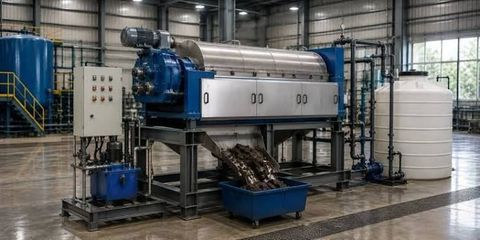
A typical aqueous cleaning process combines water, cleaning agents, temperature, pressure, agitation, and time. The exact combination depends on the material being cleaned and the type of contamination present. Aqueous cleaning equipment can range from simple immersion tanks to enclosed automated machines with spray nozzles, pumps, filtration, drying systems, and controls.
Industrial aqueous cleaning systems are commonly designed around several stages. A part may first be loaded into the machine, followed by washing, rinsing, drying, and inspection. Some systems include filtration or fluid management equipment to help maintain cleaning conditions during repeated processing.
How Water-Based Cleaning Works
Water alone does not always remove industrial contaminants effectively, particularly oils and grease. Cleaning solutions can contain detergents or other formulated ingredients that help loosen contaminants from metal, plastic, ceramic, and other surfaces.
Mechanical action is another important factor. Spray pressure, immersion movement, rotating parts, or agitation can help separate contaminants from surfaces. Temperature and cleaning time also influence how effectively a particular formulation works.
Main Types of Equipment
Aqueous parts cleaning equipment is available in several configurations. An aqueous parts washer may use immersion, spraying, agitation, or a combination of these methods.
Common equipment categories include:
- Aqueous spray cleaning systems for directed liquid application.
- Industrial parts washer systems for repeated component washing.
- Automated parts cleaning systems for controlled production cycles.
- Precision parts cleaning systems for components with strict cleanliness requirements.
- Industrial component cleaning equipment designed around specific shapes and materials.
- Automated industrial parts washing systems for larger production environments.
The selection of equipment depends on part dimensions, contamination, required cleanliness, production volume, material compatibility, and drying requirements.
Importance
Aqueous cleaning is important because surface cleanliness can affect manufacturing processes and the performance of finished components. Residues left after machining, forming, polishing, assembly, or handling may interfere with coatings, bonding, painting, inspection, or later production stages.
Industrial aqueous cleaning equipment is used in environments where consistent cleaning conditions need to be maintained across repeated batches. By controlling factors such as temperature, spray pressure, chemical concentration, and cycle duration, the cleaning process can be made more repeatable.
Applications Across Industries
Aqueous parts cleaning equipment is used for many types of components. Metal parts may require removal of machining oils, coolants, chips, and dust, while other materials may require different cleaning conditions.
Applications can include:
- Automotive components and assemblies.
- Industrial machinery parts.
- Electronic and electrical components.
- Aerospace components.
- Precision-engineered parts.
- Fabricated metal components.
- Tools, fixtures, and production equipment.
Industrial parts cleaning systems can also be configured for different production patterns. Batch equipment processes groups of components together, while continuous systems can move parts through multiple stages with limited manual handling.
Cleaning Accuracy and Material Compatibility
Not every cleaning solution is appropriate for every material. Aluminum, steel, copper, plastics, coatings, rubber, and composite materials can respond differently to temperature, alkalinity, mechanical action, and chemical ingredients.
Precision industrial cleaning systems therefore need to account for the part itself as well as the contamination. Important considerations can include surface finish, dimensions, internal passages, blind holes, and areas that are difficult for cleaning fluid to reach.
Environmental and Workplace Considerations
Aqueous cleaning systems can reduce reliance on certain solvent-based cleaning processes, although water-based systems still require appropriate chemical handling and waste management. Used cleaning solutions can contain oils, metals, particles, detergents, or other contaminants collected from parts.
Facilities therefore need appropriate procedures for fluid handling, filtration, storage, discharge, and maintenance. Workplace controls should also account for hot water, pressurized sprays, moving equipment, electrical components, and cleaning chemicals.
Recent Updates
From 2024 through 2026, the development of aqueous cleaning has generally focused on automation, process monitoring, fluid management, energy efficiency, and improved control over cleaning results. Equipment manufacturers and industrial users have increasingly integrated sensors and digital controls into automated aqueous cleaning equipment.
Automation and Process Monitoring
Automated aqueous cleaning equipment can coordinate several stages within one controlled cycle. Sensors may monitor variables such as fluid temperature, pressure, tank level, conductivity, or other process conditions, depending on the machine design.
Automated parts cleaning systems can also use programmable controls to manage washing, rinsing, and drying sequences. This reduces the need for operators to manually adjust every stage of a repeated process.
Spray Technology and Precision Cleaning
Aqueous spray cleaning systems continue to develop around nozzle arrangement, fluid circulation, filtration, and controlled spray pressure. Industrial spray cleaning equipment can direct cleaning fluid toward specific surfaces and geometries.
For components with narrow passages or complex shapes, precision parts cleaning systems may combine spray action with rotation, immersion, agitation, or other mechanical techniques. The objective is to reach contamination that may not be removed through simple surface spraying.
Digital Controls and Data
Modern industrial aqueous cleaning systems increasingly use digital interfaces for monitoring operating conditions. Recorded process information can help personnel review cycle parameters and identify changes that may affect cleaning consistency.
Process data can also support maintenance planning and troubleshooting. However, automated monitoring does not replace physical inspection when cleanliness requirements require direct verification.
| Equipment Type | Typical Cleaning Method | Common Application |
|---|---|---|
| Immersion washer | Parts submerged in solution | Small or medium components |
| Spray washer | Pressurized liquid spray | Machined and fabricated parts |
| Rotary washer | Parts rotated during washing | Repeated component batches |
| Conveyor washer | Parts move through stages | Continuous production |
| Ultrasonic aqueous system | High-frequency agitation | Complex or detailed components |
| Automated washer | Programmed multi-stage cycles | Controlled industrial workflows |
Tools and Resources
Several resources can help readers understand or plan aqueous cleaning processes. Technical manuals, equipment specifications, cleaning chemistry documentation, and process-mapping templates can provide information about equipment configuration and operating conditions.
Equipment Selection Resources
A useful evaluation can begin with a description of the part and its contamination. Relevant information includes:
- Part material and surface finish.
- Part dimensions and weight.
- Type of contamination.
- Required cleanliness level.
- Production quantity and batch size.
- Washing, rinsing, and drying requirements.
- Available floor space and utilities.
This information can help determine whether an aqueous parts washer, spray system, immersion system, or more complex configuration is appropriate.
Maintenance and Process Records
Maintenance templates can be used to record filter changes, fluid checks, nozzle inspections, pump conditions, and other routine activities. Process logs can document temperatures, cycle times, fluid conditions, and inspection results.
For automated industrial parts washing systems, digital monitoring interfaces may provide operating information directly from the equipment. Technical standards and manufacturer documentation can also help users understand terminology, operating limits, and maintenance requirements.
FAQs
What are aqueous cleaning systems?
Aqueous cleaning systems use water-based solutions and mechanical action to remove contaminants from parts and components. They can use spraying, immersion, agitation, or combinations of these methods.
How does aqueous cleaning equipment work?
Aqueous cleaning equipment generally circulates a water-based cleaning solution across or around a component. Depending on the design, pumps, spray nozzles, heaters, filters, agitation mechanisms, rinsing stages, and dryers may be used.
What are industrial aqueous cleaning systems used for?
Industrial aqueous cleaning systems are used to remove oils, grease, particles, machining residues, and other contaminants from manufactured components. Applications occur across industries such as automotive, electronics, machinery, and aerospace manufacturing.
What is an aqueous parts washer?
An aqueous parts washer is equipment designed to clean components using a water-based cleaning solution. Depending on its configuration, it may use immersion, spraying, brushing, agitation, or other mechanical cleaning methods.
What are automated parts cleaning systems?
Automated parts cleaning systems perform defined cleaning cycles with programmed controls. They may coordinate washing, rinsing, drying, fluid circulation, and monitoring with limited manual intervention.
Conclusion
Aqueous cleaning systems use water-based solutions and controlled mechanical action to remove contaminants from industrial components. Equipment ranges from basic immersion washers to advanced automated cleaning equipment with spray, filtration, drying, monitoring, and programmable controls. Recent developments have placed greater emphasis on automation, process monitoring, precision cleaning, and fluid management. The appropriate system depends on the part material, contamination, geometry, cleanliness requirements, and production process.

Related Post...
Electrical Dielectric Materials: An Explore of Types and Applications
Updated: October 17, 2026
Read More
Industrial Soft Starter: A Complete Guide to Motor Starting Systems
Updated: October 17, 2026
Read More