Chemical Filtration Systems: An Overview of Modern Filtration Methods
Chemical filtration systems are designed to separate unwanted particles, solids, contaminants, or other materials from chemical liquids and process streams.
These systems are used in manufacturing, water treatment, laboratories, pharmaceuticals, food processing, and other industrial environments where the condition of a liquid can affect later processing stages.
The basic idea behind filtration is not new. Early filtration methods used simple screens, cloth, porous materials, sand, and other physical barriers. Modern chemical filtration equipment has developed from these basic methods into systems that can handle different liquid properties, particle sizes, temperatures, pressures, and chemical conditions.
Industrial chemical filtration can involve several stages. A process may first remove larger suspended particles and then use finer filtration to capture smaller contaminants. Depending on the application, chemical filter systems may use cartridges, bags, membranes, filter presses, depth filters, or other separation technologies.
How Chemical Filtration Works
Filtration generally works by allowing a fluid to pass through a material that retains unwanted substances. The material being retained is commonly called the filtered solids or contaminant, while the liquid that passes through is the filtered stream.
The filtration method depends on the physical and chemical characteristics of the process. Factors such as particle size, liquid viscosity, temperature, chemical compatibility, pressure, and required filtration level influence equipment selection.
Industrial filtration systems may operate continuously or in batches. Continuous systems are designed for ongoing process streams, while batch systems handle defined quantities of liquid before cleaning, replacement, or another processing cycle.
Main Types of Filtration
Different chemical processes require different filtration approaches. Common categories include:
- Cartridge filtration, where replaceable filter elements capture particles as liquid passes through them.
- Bag filtration, where a flexible filter element retains suspended solids.
- Membrane filtration, where specialized membranes separate materials according to properties such as size or permeability.
- Pressure filtration, where applied pressure moves liquid through a filter medium.
- Depth filtration, where contaminants are captured within the structure of a porous material.
- Vacuum filtration, where pressure differences help move liquid through the filtration medium.
Chemical separation equipment may combine several of these methods to achieve the required separation within a larger processing sequence.
Importance
Chemical filtration is important because unwanted particles and contaminants can interfere with manufacturing processes, equipment operation, water quality, and downstream treatment. Proper filtration can help maintain controlled process conditions and reduce the movement of unwanted material between production stages.
Chemical filtration also affects industries that indirectly influence everyday life. Industrial liquid filtration systems are used in applications connected with manufacturing, water treatment, electronics, pharmaceuticals, and chemical processing.
Supporting Industrial Processes
Chemical process filtration systems can be used to separate solids from liquids, remove suspended particles, clarify process streams, or prepare liquids for another stage. In manufacturing environments, filtration may occur before or after mixing, reaction, storage, or treatment.
Industrial chemical filters also help protect pumps, pipes, valves, membranes, and other equipment from accumulated particles. The appropriate filtration arrangement depends on the process requirements and the nature of the material being removed.
Chemical Wastewater Filtration
Chemical wastewater filtration focuses on treating water that contains suspended solids or other substances generated during industrial processes. Filtration can form one part of a broader wastewater treatment sequence.
Different treatment stages may address different contaminants. Physical filtration is generally concerned with separable particles, while other treatment methods may be required for dissolved substances that cannot be removed through ordinary particle filtration.
Filtration in Pharmaceutical Processing
Pharmaceutical chemical filtration equipment is used in controlled processing environments where liquid purity and process consistency are important. Filtration may be used for clarification, particle removal, preparation of process liquids, or other defined stages.
Such applications can involve strict material compatibility, cleanliness, documentation, and process-control requirements. The exact filtration method depends on the characteristics of the liquid and the applicable production requirements.
Factors That Affect Filtration
Selecting filtration equipment involves several technical considerations. These include:
- Particle characteristics and concentration.
- Liquid viscosity and temperature.
- Chemical compatibility with filter materials.
- Required filtration level.
- Flow rate and operating pressure.
- Batch or continuous operation.
- Cleaning and replacement requirements.
- Available space and equipment connections.
High pressure chemical filtration systems require particular attention to pressure ratings and equipment integrity. The filtration medium and housing must be appropriate for the operating conditions.
| Filtration Factor | Why It Matters |
|---|---|
| Particle size | Influences the required filtration medium |
| Liquid viscosity | Affects how easily liquid passes through the filter |
| Pressure | Determines equipment and housing requirements |
| Temperature | Can affect liquid properties and filter materials |
| Chemical compatibility | Helps prevent material degradation |
| Flow rate | Influences filter capacity and system design |
| Contaminant level | Affects filter loading and replacement intervals |
Recent Updates
From 2024 through 2026, chemical filtration has continued moving toward greater automation, process monitoring, material efficiency, and integration with digital control systems. These developments reflect broader changes in industrial production, where filtration is increasingly connected to sensors, data systems, and automated equipment.
Automation and Monitoring
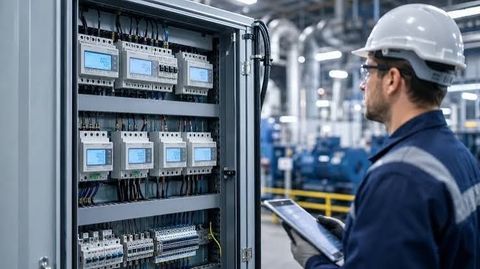
Automated chemical filtration systems can use sensors and control equipment to monitor conditions such as pressure, flow, temperature, or filter loading. Automated controls can help operators identify when a filtration stage requires attention according to predefined process conditions.
Advanced chemical filtration systems may also integrate filtration data with plant monitoring platforms. This can provide information about operating conditions and help document changes in the filtration process.
Advanced Membrane Technologies
Membrane-based filtration continues to develop for applications requiring separation at smaller scales. Membrane systems can be configured for different separation requirements, although membrane selection depends strongly on the liquid composition and operating conditions.
Precision chemical filtration systems may combine fine filtration with controlled flow and pressure conditions. These approaches are relevant where small particles or narrow process specifications need to be managed.
Greater Integration With Industrial Data
Modern industrial process filtration equipment is increasingly connected with broader automation infrastructure. Data from pressure sensors, flow meters, valves, and other instruments can be collected within industrial monitoring systems.
Advanced chemical process filtration equipment may therefore operate as part of a larger production network rather than as an isolated unit. This integration can improve visibility into filtration conditions while introducing additional requirements for data management and system security.
Tools and Resources
Several practical resources can help people understand and plan chemical filtration applications. Technical manuals, filtration calculators, process diagrams, and equipment documentation can explain how different filtration methods operate.
Filtration Planning Resources
Useful resources include filter-sizing calculators, pressure-drop references, particle-size charts, flow-rate calculations, and compatibility tables. These materials can help explain relationships between liquid properties, filter media, operating pressure, and expected filtration behavior.
Process flow diagrams are also useful because they show where filtration occurs within a larger production system. A diagram can identify upstream equipment, filtration stages, pumps, storage tanks, and downstream processes.
Standards and Technical Documentation
Industry standards and technical publications provide information about filtration terminology, testing procedures, material compatibility, pressure requirements, and process design. Manufacturer documentation can also provide technical specifications for particular filtration components.
A chemical filtration equipment supplier may provide product manuals, dimensional information, filter-media data, and application documentation. These resources should be evaluated according to the actual chemical and operating conditions rather than by general specifications alone.
Digital Monitoring Platforms
Industrial monitoring platforms can collect information from filtration equipment and display parameters such as pressure, flow, and equipment status. Process optimization software may use this information to analyze process behavior and identify changes in operating conditions.
Complete industrial chemical filtration systems can combine physical filters, pumps, valves, sensors, control equipment, and monitoring interfaces. The complexity of such a system depends on the process and the level of automation required.
FAQs
What are chemical filtration systems used for?
Chemical filtration systems are used to remove suspended particles, solids, and other separable materials from chemical liquids or process streams. They are used across industrial production, wastewater treatment, laboratories, and other processing environments.
How do industrial chemical filtration systems work?
Industrial chemical filtration systems pass a liquid through a filtration medium that retains selected contaminants. The system may use pressure, vacuum, gravity, or another controlled pressure difference to move the liquid through the filter.
What is chemical wastewater filtration?
Chemical wastewater filtration is a physical treatment step used to remove suspended solids and other filterable materials from industrial wastewater. It may be combined with additional treatment processes for substances that cannot be removed through physical filtration alone.
What is automated chemical filtration?
Automated chemical filtration uses sensors, controls, valves, and other equipment to monitor or regulate filtration activities. Automated chemical filtration systems may respond to predefined operating conditions such as pressure, flow, or filter loading.
What factors affect chemical filtration equipment selection?
Important factors include liquid composition, particle size, flow rate, temperature, pressure, chemical compatibility, required filtration level, and operating method. These factors determine whether cartridge, bag, membrane, depth, pressure, or another filtration approach is appropriate.
Conclusion
Chemical filtration systems provide controlled methods for separating particles and other filterable materials from chemical liquids and process streams. Modern systems range from basic filtration units to advanced chemical filtration systems that incorporate automation, sensors, membranes, and digital monitoring. Industrial chemical filtration is used across manufacturing, wastewater treatment, pharmaceutical processing, and other applications where controlled liquid conditions matter. The appropriate filtration method depends on the properties of the process, the contaminants involved, and the operating requirements.

Related Post...
Electromagnetic Positioning System: An Overview of Modern Positioning Technology
Updated: October 08, 2026
Read More
Automatic Labeling Systems: An Overview of Modern Labeling Technology
Updated: October 08, 2026
Read More