Utility Infrastructure Products: An Overview of Modern Systems and Equipment
Utility infrastructure products are the equipment, components, and systems used to produce, transmit, distribute, control, and manage essential utilities.
These include electricity, water, wastewater, natural gas, and other resources that support homes, businesses, public facilities, and industrial activities. Utility infrastructure products form part of the physical networks that allow these resources to move safely and reliably from generation or treatment facilities to users.
The development of utility infrastructure began with relatively simple networks and gradually expanded as cities, industries, and populations grew. Electrical networks introduced generation stations, transmission lines, substations, and distribution equipment, while water networks developed around treatment facilities, pipelines, pumps, storage systems, and distribution networks.
Today, utility infrastructure equipment combines mechanical, electrical, electronic, and digital technologies. Utility infrastructure systems can include physical components such as transformers, switchgear, pumps, valves, pipes, meters, cables, and control equipment, along with software and communication technologies that monitor network conditions.
Main Categories of Utility Infrastructure
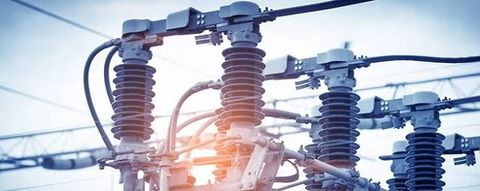
Electrical utility infrastructure products are used throughout power generation, transmission, and distribution networks. Examples include transformers, circuit breakers, switchgear, conductors, substations, protective equipment, and monitoring devices.
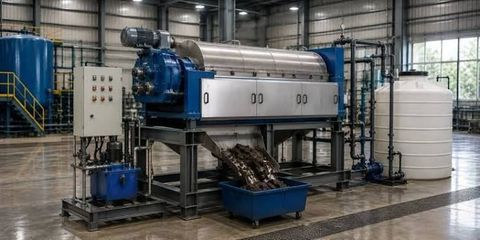
Water utility infrastructure products include pumps, pipes, valves, storage tanks, treatment equipment, meters, and monitoring systems. Utility pipeline infrastructure products are also used to move water, gas, and other fluids through networks.
Common categories include:
- Power utility infrastructure equipment for electricity transmission and distribution.
- Utility distribution equipment for moving electricity or other resources to different locations.
- Utility construction equipment used during installation, maintenance, and network expansion.
- Municipal utility infrastructure equipment used by public water, wastewater, electrical, and related networks.
- Industrial utility infrastructure systems that support factories, processing facilities, and large operational sites.
How Utility Networks Work Together
A utility network is rarely based on one component. Transformers, cables, pipes, pumps, valves, sensors, control systems, and communication networks may work together as an integrated system.
For example, an electrical distribution network can move electricity from a substation through distribution lines before reaching buildings. A water network can move treated water from a treatment facility through transmission pipelines, storage facilities, and local distribution networks.
Importance
Utility infrastructure affects everyday activities because electricity, water, wastewater management, and other utilities depend on physical networks operating across large geographic areas. Residential buildings, hospitals, schools, transportation systems, commercial facilities, and factories all depend on these networks.
The condition and design of utility infrastructure can influence reliability, safety, capacity, and the ability of a network to respond to changing demand. Infrastructure planning therefore involves technical requirements as well as environmental, geographic, regulatory, and community considerations.
Supporting Electrical Networks
Electrical grid infrastructure equipment forms a major part of modern power networks. Transformers change voltage levels for different stages of electricity transmission and distribution, while circuit breakers and protective equipment help isolate sections of a network when abnormal conditions occur.
High voltage utility infrastructure products are generally associated with transmission and other applications involving elevated voltage levels. These systems require specialized equipment, insulation, clearances, monitoring, and operating procedures.
Advanced electrical utility systems increasingly incorporate digital monitoring. Sensors and communication equipment can provide information about voltage, current, equipment condition, and network activity.
Supporting Water and Pipeline Networks
Water utility infrastructure products help move and manage water through treatment and distribution networks. Pumps provide movement where gravity alone is insufficient, while valves regulate or isolate sections of pipelines.
Utility pipeline infrastructure products can include pipes, joints, fittings, valves, pressure-control components, and monitoring equipment. Their design depends on factors such as fluid characteristics, pressure, temperature, ground conditions, and network requirements.
Addressing Infrastructure Challenges
Utility networks face several practical challenges, including aging equipment, increasing demand, environmental conditions, construction constraints, and the need to integrate older infrastructure with newer technologies.
Smart utility infrastructure systems can help operators collect and analyze network information. However, digital monitoring does not remove the need for physical inspections, maintenance planning, equipment testing, and appropriate operational procedures.
| Utility Area | Typical Infrastructure Equipment | Main Function |
|---|---|---|
| Electricity transmission | Transformers, conductors, substations, protection equipment | Move electricity over longer distances |
| Electricity distribution | Switchgear, cables, transformers, meters | Deliver electricity to local areas |
| Water supply | Pumps, pipes, tanks, valves, meters | Move and distribute treated water |
| Wastewater | Pumps, pipelines, treatment equipment | Collect and process wastewater |
| Gas networks | Pipelines, valves, regulators, meters | Transport and regulate gas |
| Digital monitoring | Sensors, communication devices, control platforms | Collect and communicate network information |
Recent Updates
From 2024 through 2026, utility infrastructure development has increasingly focused on network modernization, digital monitoring, grid flexibility, renewable energy integration, water management, and infrastructure resilience. The overall direction is toward systems that can combine physical equipment with more extensive data collection and communication.
Smart Utility Infrastructure Systems
Smart utility infrastructure systems use sensors, communication networks, meters, and software to provide information about network conditions. Electricity networks can use digital monitoring to observe load patterns and equipment conditions, while water networks can use sensors to monitor pressure, flow, and other operating conditions.
These systems can support more detailed analysis than manual readings alone. Their effectiveness depends on sensor quality, communication reliability, data management, cybersecurity, and appropriate interpretation of the information collected.
Grid Modernization
Electrical networks are adapting to changes in electricity generation and consumption. Greater use of renewable generation, distributed energy resources, battery storage, electric vehicles, and digital controls is increasing the need for flexible grid infrastructure.
Advanced utility infrastructure equipment may therefore include digital protection devices, intelligent switchgear, monitoring systems, modern transformers, and equipment designed to work with changing network conditions.
Infrastructure Resilience and Efficiency
Utility planning is also placing greater attention on resilience against severe weather, equipment failures, changing demand, and other disruptions. Infrastructure upgrades can involve replacing aging components, strengthening physical networks, improving monitoring, and introducing additional control capabilities.
Water networks are also incorporating technologies for leak detection, pressure monitoring, asset management, and more detailed measurement. These developments are part of a broader movement toward data-informed infrastructure management.
Tools and Resources
Several tools can help people understand, plan, or analyze utility infrastructure. The appropriate tool depends on whether the focus is electrical systems, water networks, construction planning, or digital monitoring.
Planning and Calculation Tools
Engineering calculators can help with basic electrical, hydraulic, pressure, flow, and load calculations. Network diagrams and infrastructure mapping platforms can show how equipment and distribution routes connect.
Useful resources include:
- Electrical load calculators for basic power and current calculations.
- Voltage-drop calculators for evaluating electrical distribution arrangements.
- Pipe-flow calculators for understanding fluid movement.
- GIS mapping platforms for displaying utility network locations.
- Infrastructure planning templates for documenting assets and network components.
- Asset management databases for organizing equipment information.
These tools are generally used alongside technical specifications, engineering standards, regulations, and site-specific information.
Standards and Technical Resources
Organizations involved with utility infrastructure commonly refer to technical standards and regulatory documents. Electrical equipment may be designed around applicable electrical and safety standards, while water and pipeline systems may follow requirements related to materials, pressure, sanitation, environmental protection, and public safety.
Manufacturers' technical documentation, utility planning manuals, government infrastructure publications, and engineering reference materials can also help explain equipment characteristics and system requirements.
Integrated Utility Infrastructure Equipment
Integrated utility infrastructure equipment can combine several physical and digital functions. For example, a distribution system may include electrical equipment, sensors, communication devices, protective controls, and monitoring software within one coordinated network.
The level of integration varies according to the utility, geographic area, technical requirements, and existing infrastructure. Older systems may require additional interfaces when connected with newer digital equipment.
FAQs
What are utility infrastructure products?
Utility infrastructure products are physical components and related technologies used in electricity, water, wastewater, gas, and other utility networks. They can include transformers, pipes, pumps, valves, cables, meters, switchgear, sensors, and control equipment.
What is utility infrastructure equipment used for?
Utility infrastructure equipment is used to generate, transmit, distribute, control, monitor, or manage utility resources. Its specific function depends on the type of network and its location within that network.
What are smart utility infrastructure systems?
Smart utility infrastructure systems combine physical infrastructure with sensors, communication technologies, meters, and digital platforms. They can provide information about network conditions and support monitoring and analysis.
What is electrical utility infrastructure?
Electrical utility infrastructure includes the equipment and networks involved in generating, transmitting, distributing, and controlling electricity. It can include substations, transformers, conductors, switchgear, protective equipment, meters, and monitoring technologies.
What are utility pipeline infrastructure products?
Utility pipeline infrastructure products include pipes, fittings, valves, joints, pressure-control components, and related equipment used to transport fluids or gases. Their specifications depend on the material being transported and the operating conditions of the network.
Conclusion
Utility infrastructure products form the physical and digital foundation of electricity, water, wastewater, gas, and related networks. Utility infrastructure equipment ranges from transformers and switchgear to pumps, pipelines, valves, meters, sensors, and control systems. From 2024 through 2026, infrastructure development has increasingly incorporated digital monitoring, grid modernization, renewable energy integration, and network resilience. These changes are creating more interconnected utility infrastructure systems that combine established physical equipment with digital technologies.

Related Post...

AI Defect Detection Guide to Image-Based Inspection and Quality Monitoring
Updated: October 17, 2026
Read More
Smart Manufacturing Platform: A Complete Guide to Modern Industrial Automation
Updated: October 17, 2026
Read More
Heavy Duty Rectangular Connectors: A Guide to Industrial Connectivity
Updated: October 19, 2026
Read More