Wood Coating Equipment: Key Features for Reliable Surface Finishing
Wood products often require surface treatment after cutting, sanding, and assembly.
Wood coating equipment helps apply paints, stains, lacquers, oils, sealers, and other coating materials to wood surfaces in a controlled manner.
Industrial coating systems can range from simple spray equipment to automated production lines incorporating conveyors, roller coaters, curtain coaters, spray booths, drying systems, ventilation, and digital controls. The appropriate configuration depends on the wood product, coating material, surface requirements, production volume, and finishing process.
Why Wood Coating Equipment Matters
Manual coating can produce variations in application thickness, coverage, and surface appearance. Mechanical coating systems provide greater control over how coating material reaches the workpiece.
Wood coating equipment can support:
- Consistent coating application
- Controlled material usage
- Repeatable surface coverage
- Automated material movement
- Faster drying and curing
- Controlled environmental conditions
- Reduced manual handling
- Integration with sanding and finishing lines
The exact equipment arrangement depends on the coating technology and the characteristics of the wood product.
How Wood Coating Equipment Works
A typical wood coating system moves products through several stages, from surface preparation to coating application and drying.
1. Surface Preparation
Before coating, wood surfaces must generally be clean, dry, and properly prepared.
Preparation can include:
- Sanding
- Dust removal
- Cleaning
- Surface inspection
- Edge preparation
Sanding equipment may be integrated into the same production line or positioned upstream from the coating equipment.
2. Material Loading
The prepared wood component is placed onto a conveyor or worktable.
Depending on the production system, panels, boards, doors, furniture components, or moulded parts can be loaded manually or automatically.
Correct positioning helps ensure that the coating equipment reaches the intended surface areas.
3. Coating Material Preparation
The coating material is prepared according to the manufacturer's specified application requirements.
Depending on the coating, preparation may involve mixing, filtering, viscosity adjustment, temperature control, or other procedures.
Pumps and supply systems then move the coating toward the application equipment.
4. Coating Application
The application system distributes the coating across the wood surface.
Common methods include:
- Spray coating
- Roller coating
- Curtain coating
- Flow coating
- Vacuum coating
- Brush-based mechanical application
Each method has different characteristics and is suited to particular product shapes and coating requirements.
5. Spray Application
Spray systems atomize coating material into droplets and direct them toward the workpiece.
Spray equipment can include:
- Spray guns
- Pumps
- Nozzles
- Pressure regulators
- Material lines
- Recirculation systems
- Spray booths
Automated spray systems may use reciprocating or robotic movements to control coverage.
6. Roller Coating
Roller coaters transfer coating material from an application roller to the surface of the wood product.
They are commonly used for relatively flat panels and boards.
Important parameters can include:
- Roller speed
- Coating thickness
- Feed speed
- Roller pressure
- Coating viscosity
7. Curtain Coating
Curtain coaters create a continuous curtain of coating material through which flat panels pass.
This method can provide broad surface coverage on suitable flat products.
The coating flow rate and conveyor speed must be coordinated with the panel dimensions and application requirements.
8. Drying and Curing
After coating, the product enters a drying or curing stage.
Drying systems can use:
- Heated air
- Infrared radiation
- Ultraviolet curing
- Air circulation
- Controlled temperature
- Controlled humidity
The appropriate technology depends on the coating formulation.
9. Inspection
After drying or curing, the coated surface can be inspected for coverage, thickness, defects, contamination, and other specified characteristics.
Inspection may be manual or supported by cameras and measurement systems.
10. Discharge and Further Processing
Finished components leave the coating line through a discharge conveyor.
Depending on the product, they may proceed to another coating layer, sanding, assembly, packaging, or final inspection.
Main Types of Wood Coating Equipment
Different coating systems are designed for different product shapes and application requirements.
| Equipment Type | Main Function | Typical Application |
|---|---|---|
| Spray coating system | Applies atomized coating | Furniture and shaped parts |
| Roller coater | Transfers coating with rollers | Flat panels |
| Curtain coater | Applies a continuous coating curtain | Flat boards |
| Flow coater | Distributes liquid coating | Complex surfaces |
| UV coating system | Supports UV curing | Selected wood panels |
| Spray booth | Controls spray environment | Spray finishing |
| Drying chamber | Removes moisture or solvents | Coated products |
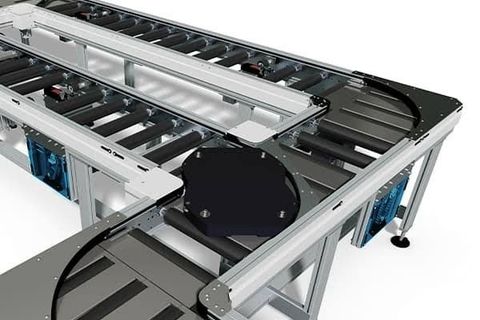
| Conveyor system | Moves products | Automated finishing lines |
Key Features of Wood Coating Equipment
Controlled Coating Application
Application systems should provide consistent coverage across the required surface area. Control may involve pump pressure, roller settings, nozzle configuration, or coating flow.
Adjustable Feed Speed
Conveyor speed affects the amount of coating applied and the time available for application or drying.
Coating Thickness Control
Some systems allow operators to adjust application settings to achieve a specified coating thickness.
Automated Spray Movement
Automated spray systems can use programmed movement patterns to maintain consistent coverage across panels or components.
Drying and Curing Systems
Integrated drying equipment can prepare coated products for subsequent processing.
Ventilation and Extraction
Spray coating can generate airborne droplets, vapors, or particles depending on the coating material. Proper ventilation and extraction systems are therefore important components of many finishing installations.
Digital Controls
Modern equipment can use programmable controls to monitor conveyor speed, pump operation, temperature, pressure, and other process parameters.
Coating Methods for Different Wood Products
Furniture Panels
Flat furniture panels can be processed using roller coaters, curtain coaters, or automated spray systems.
Doors
Doors may require spray application because of their larger dimensions, profiles, edges, and surface details.
Cabinets
Cabinet components can use spray or roller-based coating systems depending on their shape and surface requirements.
Moulded Components
Curved or profiled components may require spray or flow-coating systems capable of reaching complex surfaces.
Wood Flooring
Flooring panels and boards can use roller-based coating systems and specialized curing equipment for controlled surface treatment.
Factors Affecting Coating Equipment Selection
Wood Surface
The surface condition influences how the coating spreads and bonds. Proper sanding and cleaning are important before application.
Product Shape
Flat panels can be processed using different equipment from curved, moulded, or three-dimensional components.
Coating Type
Water-based coatings, solvent-based coatings, UV-curable coatings, oils, stains, and other materials have different application and drying requirements.
Production Volume
Higher production volumes may require continuous conveyors and automated application systems.
Coating Thickness
The required coating thickness affects equipment settings and application technology.
Drying Requirements
The coating formulation determines whether conventional air drying, heated drying, infrared treatment, or UV curing is appropriate.
Environmental Controls
Temperature, humidity, ventilation, and dust levels can influence coating application and drying.
Manual vs. Automated Wood Coating
| Feature | Manual Coating | Automated Coating |
|---|---|---|
| Application | Operator controlled | Machine controlled |
| Material movement | Manual | Conveyor-based |
| Coating consistency | Operator dependent | Programmable |
| Feed speed | Variable | Controlled |
| Spray movement | Manual | Automated |
| Drying | Separate or manual | Integrated on some lines |
| Process data | Limited | Digital monitoring possible |
The appropriate level of automation depends on product variety, production volume, facility layout, coating technology, and operator requirements.
Maintenance Considerations
Regular maintenance helps keep coating equipment operating within its intended conditions.
Important areas include:
- Spray nozzles
- Pumps
- Filters
- Coating lines
- Rollers
- Conveyor belts
- Curtain-coating systems
- Drying equipment
- Ventilation systems
- Sensors
- Control components
Coating residue should be managed according to the equipment and coating manufacturer's cleaning procedures. Filters and spray components may require inspection at intervals determined by operating conditions.
Safety Considerations
Wood coating systems can involve moving machinery, pressurized materials, airborne particles, vapors, heat, or ultraviolet radiation depending on the process.
Safety measures may include:
- Appropriate ventilation
- Spray-booth controls
- Machine guarding
- Emergency-stop systems
- Suitable personal protective equipment
- Correct coating storage
- Controlled ignition sources where applicable
- Safe handling of coating materials
- Proper maintenance procedures
Specific requirements depend on the coating chemistry, equipment design, workplace environment, and applicable regulations.
Applications of Wood Coating Equipment
Wood coating equipment is used in manufacturing operations involving:
- Furniture
- Cabinets
- Doors
- Flooring
- Wall panels
- Decorative boards
- Wood mouldings
- Interior components
- Plywood panels
- Laminated boards
Different products require different coating methods, drying systems, and equipment configurations.
Who Uses Wood Coating Equipment?
Wood coating equipment is used by furniture manufacturers, woodworking facilities, cabinet producers, flooring manufacturers, door manufacturers, panel-processing plants, and other wood-product manufacturers.
Production operators manage application settings and material flow, while maintenance personnel inspect pumps, spray systems, conveyors, ventilation, and control equipment.
Frequently Asked Questions
What is wood coating equipment?
Wood coating equipment includes machinery used to apply paints, stains, lacquers, sealers, oils, and other coatings to wood and wood-based products.
What are the main types of wood coating equipment?
Common systems include spray coaters, roller coaters, curtain coaters, flow coaters, drying chambers, UV curing systems, spray booths, and conveyor systems.
How does a wood spray coating system work?
A spray system uses pumps and spray nozzles to atomize coating material and distribute it across a wood surface. Automated systems can control spray movement and application parameters.
Why is drying equipment used after wood coating?
Drying or curing equipment helps prepare the applied coating for subsequent handling or processing. The required method depends on the coating formulation.
How should wood coating equipment be maintained?
Maintenance generally includes cleaning spray components, inspecting pumps and filters, checking rollers and conveyors, maintaining ventilation, inspecting sensors, and following equipment and coating manufacturer instructions.
Conclusion
Wood coating equipment provides controlled methods for applying protective, decorative, and functional coatings to wood and wood-based products. The process can include surface preparation, material loading, coating preparation, application, drying or curing, inspection, and discharge.
Key equipment features include controlled application systems, adjustable feed speeds, coating-thickness controls, automated spray movement, drying systems, ventilation, extraction, and digital monitoring.
The appropriate system depends on the wood product, surface shape, coating formulation, required coating thickness, production volume, drying requirements, and facility conditions. Understanding these factors helps manufacturers select a coating process that fits their specific production workflow.

Related Post...
Industrial Equipment Supplier: An Overview of Equipment Selection
Updated: October 11, 2026
Read More
Precision Dosing Equipment: An Overview of Accurate Material Measurement
Updated: October 09, 2026
Read More